
 EN
EN


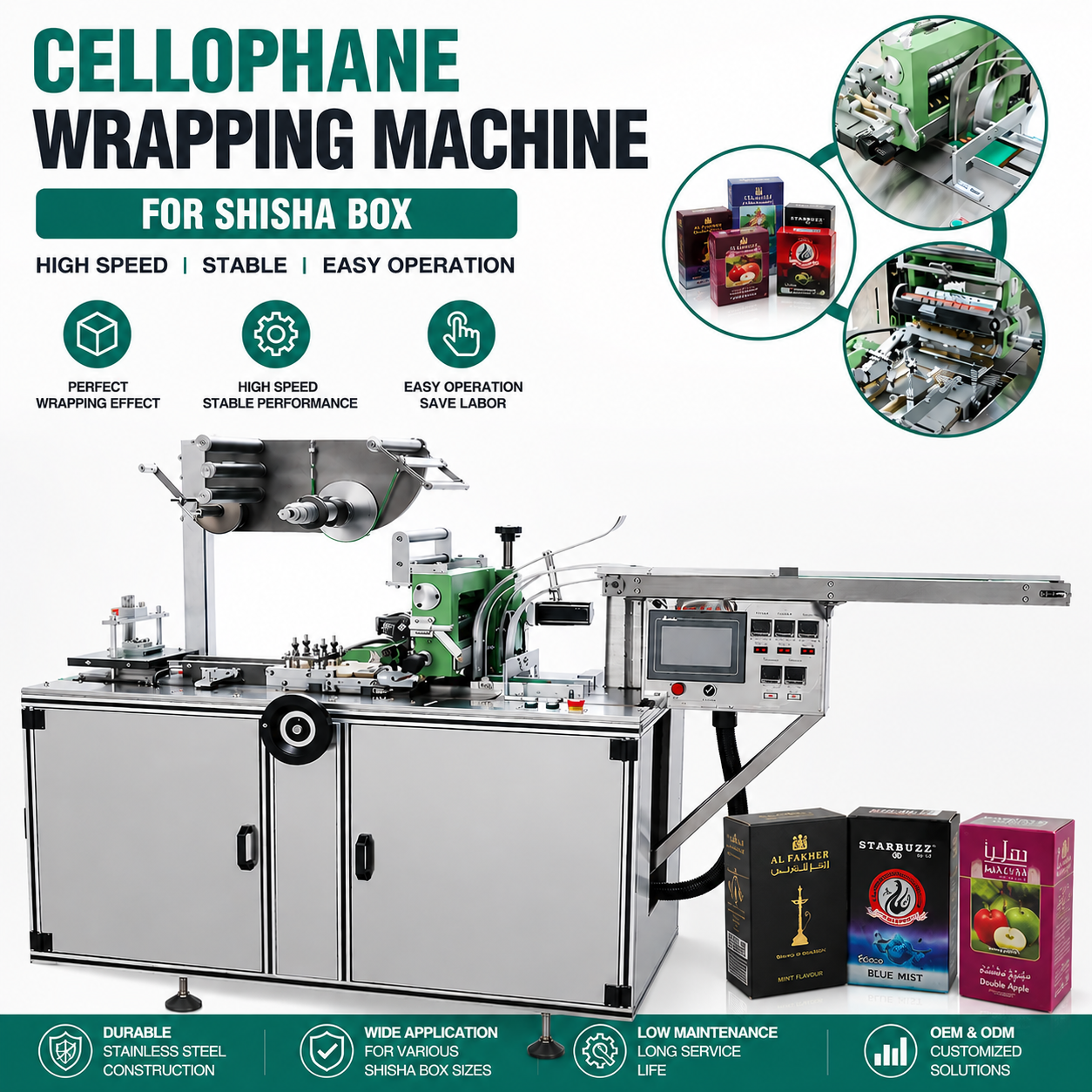
In vandag se mededingende verpakkingomgewing soek vervaardigers en merk-eienaars voortdurend na intelligenter, vinniger en koste-effektiewer oplossings om hul produkte te beskerm en aan te bied. Die outomatiese sellofaanverpakmasjien het ontstaan as een van die mees veelsydige en kommersieel waardevolle verpakkings tegnologieë wat beskikbaar is vir besighede oor 'n wye reeks nywerhede. Van kosmetika en farmaseutiese produkte tot voedselprodukte en verbruikersgoedere lewer hierdie toerusting 'n kombinasie van doeltreffendheid, estetiese aantreklikheid en betroubaarheid wat handmatige of half-outomatiese alternatiewe eenvoudig nie kan ewenaar nie.
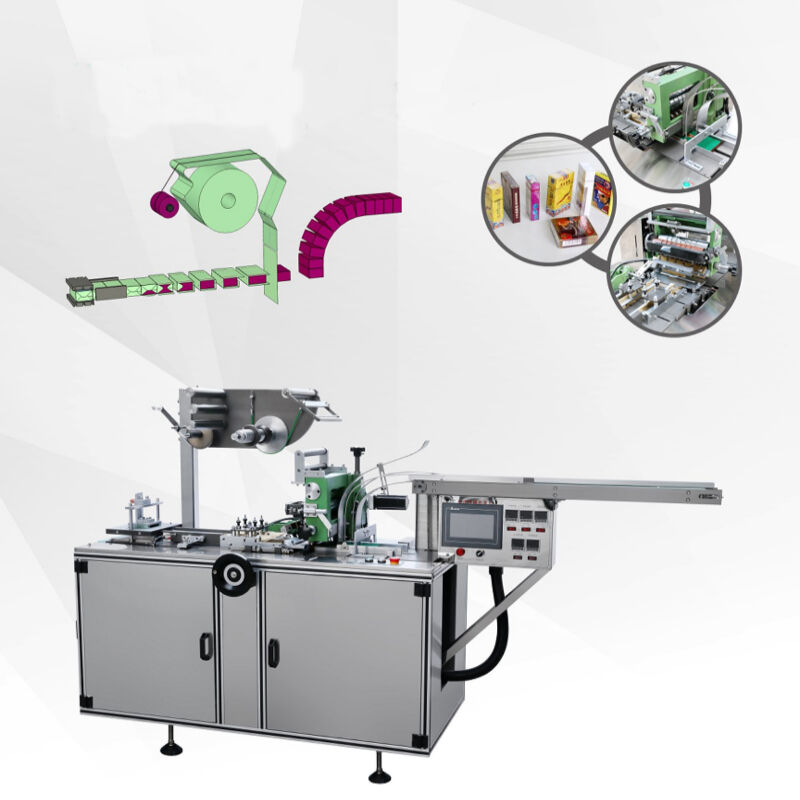
Die begrip van die volle reeks voordele wat 'n outomatiese cellofaan verpakking masjien na 'n vervaardigingslyn bring, is noodsaaklik vir enige besigheid wat sy verpakking-investering evalueer. Hierdie artikel ondersoek die kernvoordele in besonderhede — vanaf vervaardigingsspoed en foliekwaliteit tot opsporing van onderbrekings en handelsmerkvoorstellings — sodat besluitnemers met selfvertroue kan bepaal hoe hierdie tegnologie by hul bedryfsdoelwitte pas.
Hoëspoedvervaardiging en bedryfsdoeltreffendheid
Voortdurende uitset op groot skaal
Een van die mees onmiddellik waarneembare voordele van 'n outomatiese sellofaanverpakmasjien is sy vermoë om hoëspoedverpakking sonder die onkonsekwentheid wat met handearbeid geassosieer word, te handhaaf. Hierdie masjiene is ontwerp om honderde of selfs duisende eenhede per uur te verwerk, afhangende van produkafmetings en die spesifieke modelkonfigurasie. Vir vervaardigingsomgewings waar deurset direk inkomste beïnvloed, is hierdie spoedvoordeel transformatief.
In teenstelling met handmatige inpakprosesse wat onderhewig is aan vermoeidheid, variasie in tegniek en menslike foute, behou 'n outomatiese sellofaan-inpakmasjien konstante siklusdae gedurende 'n volledige produksieskof. Hierdie voorspelbaarheid is noodsaaklik om bestelvolume te bereik, bottelnekke te verminder en afstroming-logistiek akkuraat te beplan. Operateurs kan die parameters een keer instel en op die masjien staatmaak om elke keer herhaalbare resultate te lewer.
Die doeltreffendheidsvoordele strek verder as net inpaksnelheid. Aangesien die outomatiese sellofaan-inpakmasjien voeding, vouing, versegeling en uitlaat in een ononderbroke werkvloei integreer, word die arbeidsvereistes vir die verpakkingstasie aansienlik verminder. Dit laat besighede toe om personeel na hoërwaardige take te herplaas terwyl die algehele verpakkingslynkapasiteit steeds verhoog word.
Minimale stilstandtyd deur outomatiseringsbeheer
Moderne outomatiese sellofaanverpakmasjiene is toegerus met intelligente beheerstelsels, wat dikwels PLC-gebaseerde koppelvlakke en aanraakskerms insluit wat operateurs in staat stel om instellings vinnig aan te pas en prestasie in werklike tyd te monitor. Wanneer rolle film vervang moet word of produkformate gewissel moet word, verminder hierdie beheerstelsels die tyd wat benodig word om die masjien weer op te stel. Hierdie responsiwiteit verminder direk onbeplande stilstandtyd en ondersteun 'n buigsame produksieplanlegging.
Daarbenewens kan outomatiese diagnostiese funksies op baie outomatiese sellofaanverpakmasjienmodelle vroeg vir filmophoping, verkeerde toevoer of versielingsanomalieë uitken en waarskuwings aktiveer voordat dit tot groter probleme eskaleer. Voorkomende opsporing van hierdie toestande beteken dat preventiewe korreksies vinnig aangebring kan word, sodat die produksielyn beweeg bly en die gehaltestandaarde wat kliënte verwag, gehandhaaf word.
Uitstekende Verpakkwaliteit en Filmkonsekwentheid
Tight, rimpelvrye filmtoepassing
Die visuele gehalte van sellofaanverpakking speel 'n direkte rol in hoe 'n produk by die verkoopspunt waargeneem word. 'n Outomatiese sellofaanverpakmasjien pas BOPP- of OPP-sellofaanfilm toe met presiese spanningbeheer, wat lei tot 'n stewige, gladde en rimpelvrye afwerking wat die produk se vertoningswaarde op die rak verhoog. Hierdie vlak van gehalte is baie moeilik om konsekwent te herhaal deur handmatige verpakking, selfs met ervare werkers.
Die versielingsmeganisme in 'n outomatiese sellofaanverpakmasjien is gewoonlik hittegebaseerd, met gekalibreerde temperatuurinstellings om skoon, stewige nate langs die produkrande te vorm. Die resultaat is 'n professionele voorkomsverpakking wat nie net aantreklik lyk nie, maar ook die produk beskerm teen stof, vog en hanteringbeskadiging gedurende die hele voorsieningsketting. Vir produkte in kategorieë soos kosmetiese produkte, geskenkdosies en premiumvoedselprodukte dra hierdie verpakkinggehalte direk by tot die waargenome waarde van die produk.
Konsekwentheid is ewe belangrik vanuit ’n gehaltebeheer-oogpunt. Wanneer elke eenheid wat ’n outomatiese sellofaanverpakmasjien verlaat identies lyk — dieselfde vouhoeke, dieselfde naadkwaliteit, dieselfde filmspanning — weerspieël dit ’n vlak van vervaardigingsdisiplin wat kliëntevertroue bou en nalewing van verpakkingspesifikasies ondersteun.
Aanpasbaarheid vir verskillende produktervorms en -groottes
’n Beduidende praktiese voordeel van die outomatiese sellofaanverpakmasjien is sy aanpasbaarheid vir verskillende produkgeometrieë. Of dit nou reghoekige bokse, silindriesehouers of onreëlmatig gevormde items is, kan die masjien met toepaslike riglyne, vouborde en filmwyte-instellings gekonfigureer word om die produk akkuraat te hanteer. Hierdie veerkragtigheid maak die toerusting geskik vir multi-produk vervaardigingsomgewings sonder dat heeltemal afsonderlike masjiene vir elke produklyn benodig word.
Baie outomatiese sellofaanverpakmasjienmodelle ondersteun vinnige wisselwerktuig of verstelbare sygidslyne, wat die tyd en poging verminder wat benodig word om tussen produkformate tydens produksie te skakel. Hierdie oorskakelvermoë is veral waardevol vir kontrakverpakkers of handelsmerke met diversifiseerde produkportefeuljes wat die verpakkingskwaliteitsstandaarde vir almal SKU's moet handhaaf.
Vervormingsbewys en Produkintegriteit
Geseëlde Beskerming Waar Verbruikers Op Kan Vertrou
Vervormingsbewys is nie net 'n regulêre oorweging nie — dit is 'n fundamentele aspek van verbruikerstrou. 'n Outomatiese sellofaanverpakmasjien skep 'n volledige versegelde versluiting rondom die produk, wat dit visueel voor die hand liggend maak as die verpakking voor aankoop reeds oopgemaak of daar aan geraak is. Vir nywe soos farmaseutiese produkte, nutraceuticals, voedsel en kosmetika is hierdie versegelde integriteit 'n ononderhandelbare verpakkingsvereiste.
Die sellofaanfilm wat saam met 'n outomatiese sellofaanverpakmasjien gebruik word, is gewoonlik 'n enkelvlakverpakking wat nou aan die produk se buiteoppervlak pas. Enige poging om die verpakking te verwyder of daaraan te vat, is dadelik sigbaar, wat beide 'n fisieke afskrikking bied en 'n duidelike verbruikerssein van produkversheid en egtheid verskaf. Dit is veral belangrik in kleinhandelomgewings waar produkte deur verskeie mense hanteer word voordat dit gekoop word.
Deur in 'n outomatiese sellofaanverpakmasjien te belê, kan vervaardigers tamper-bewysvereistes meer konsekwent en koste-effektief nakom as wat moontlik is deur handverpakking of kleefverbindingsmetodes. Die eenvormigheid van die masjien se versielproses verseker dat elke eenheid in 'n partjie dieselfde integriteitsstandaard bereik, wat die risiko van nakomingskwessies of verbruikerklagte verminder.
Beskerming teen omgewingsfaktore
Benewens die bewys van onderbreking, dien die sellofaanomhulsel wat deur 'n outomatiese sellofaanomhulselmeganisme toegepas word as 'n funksionele versperring teen vog, stof en ligte fisiese skuring. Vir produkte wat sensitief is vir vog — soos sekere voedselprodukte, papiergoedere of elektroniese verpakking — help hierdie beskermende laag om die produktoestand tydens berging en vervoer te handhaaf. Die stywe filmversegeling help ook om enige geur- of varsheidseienskappe wat deel van die produk se aantreklikheid uitmaak, te bewaar.
In werf- en verspreidingsomgewings word produkte wat deur 'n outomatiese sellofaanomhulselmeganisme omhul is, beter beskerm teen oppervlakkrabbe en kontakbesmetting tydens paletiseer-, stapel- en vervullingsoperasies. Hierdie addisionele beskerming verminder die tempo van beskadigde goedere en terugstuurings, wat bydra tot laer bedryfskoste en beter klanterevredigheidsresultate.
Kostedoeltreffendheid en Langtermyn ROI
Verminderde arbeidsafhanklikheid
Een van die duidelikste finansiële argumente vir die implementering van 'n outomatiese sellofaanverpakmasjien is die vermindering in direkte arbeidskoste wat met die verpakkingsfunksie verbind word. Handmatige verpakking vereis toegewyde personeel wat moet opgelei, toesig moet hou en vergoed moet word — en wie se uitset wissel na gelang van vermoeidheid, vaardigheidsvlak en skifwisseling. 'n Outomatiese sellofaanverpakmasjien elimineer die behoefte aan verskeie werknemers by die verpakstasie en vereis dikwels net een bediener om die hele stelsel te monitor en te bestuur.
Met tyd vertaal die kostebesparings as gevolg van verminderde arbeidskoste na 'n meetbare terugslag op die belegging wat die kapitaaluitgawe vir die masjien kompenseer. Vir medium- tot groot produksievolume is die terugverdiensperiode vir 'n outomatiese sellofaanverpakmasjien dikwels beduidend korter as wat vervaardigers aanvanklik verwag, veral wanneer arbeidskoste, herwerkingskoers en verbeterings in deurvoer almal in die berekening ingesluit word.
Lae filmverspilling deur presiese filmvoer
Die koste van filmmateriaal is 'n beduidende voortdurende uitgawe in enige verpakkingbedryf. 'n Outomatiese sellofaanverpakmasjien word ontwerp met presiese filmvoer-meganismes wat presies die regte lengte van film trek wat nodig is om elke produk te verpak, wat oormatige materiaalverspilling tot 'n minimum beperk. Hierdie presisie verminder die filmkoste per eenheid in vergelyking met handbedryf, waar oortrekking en misuitlyning algemene bronne van verspilling is.
Die kumulatiewe besparings as gevolg van verminderde filmverspilling oor duisende produksiesiklusse kan aansienlik wees. Wanneer dit gekombineer word met die masjien se vermoë om aanhoudend sonder onderbrekings of vertragings te werk, is die algehele koste per verpakte eenheid vir 'n outomatiese sellofaanverpakmasjien konsekwent laer as hand- of half-outomatiese alternatiewe by vergelykbare volumes. Dit maak die ekonomiese geval vir outomatisering oortuigend, selfs vir besighede wat voorsigtig is oor kapitaalinvestering.
Merkpresentasie en markmededingingsvermoë
Verbeterde Plank-aantreklikheid deur Konsekwente Afwerking
In verbruikersgerigte markte is verpakking dikwels die eerste fisiese interaksie wat 'n kliënt met 'n produk het. 'n Outomatiese sellofaan-omhulmasjien produseer 'n skoon, glansvolle, professionele afwerking wat die visuele impak van die produk op die rak verbeter. Die deurskynende aard van sellofaanfilm laat die onderliggende verpakkingsontwerp, merkidentiteit en produkbeelde volledig sigbaar bly, wat bemarkingsdoelwitte ondersteun sonder om massa by te voeg of kritieke etiketinligting te verberg.
Hierdie konsekwente afwerkingkwaliteit, wat betroubaar deur 'n outomatiese sellofaan-omhulmasjien bereik word, gee handelsmerke die vertroue dat elke eenheid op kleinhandelrakke dieselfde visuele standaard bevredig. Onkonsekwente omhulsels — 'n algemene uitkomst van handverpakking — kan merkwaarneming ondermyn en negatiewe indrukke skep, selfs wanneer die produk self van hoë gehalte is. Outomatisering verwyder hierdie wisselvalligheid heeltemal.
Ondersteun Premiumposisionering oor Produkkladdes
Vir handelsmerke wat in premium- of geskenkgerigte marksegmente geposisioneer is, is die gehalte van die buite-omhulsel 'n direkte aanduiding van produkwaarde. 'n Outomatiese sellofaanomhulsingsmasjien stel vervaardigers in staat om die styf, spieëlglatte omhulsingsafwerking te bereik wat verbruikers met premiumgoedere assosieer — by produksievolume wat nie handmatig volhou kan word nie. Hierdie vermoë laat handelsmerke toe om hul premiumposisionering konsekwent te handhaaf, selfs terwyl hul produkreekse uitbrei.
Die vermoë om skeurstrookies of ander opsionele filmkenmerke deur 'n outomatiese sellofaanomhulsingsmasjien toe te pas, verbeter verder die ontpakervaring vir die eindverbruiker. Skeurstrookies wat in die sellofaanomhulsing geïntegreer is, maak dit maklik en bevredigend om oop te maak, en voeg 'n subtiel maar betekenisvolle aanraking by wat die premiumhandelsmerkidentiteit versterk. Hierdie klein besonderhede, wat konsekwent deur outomatisering gelewer word, skep met tyd kumulatiewe handelsmerkwaarde.
VEE
Watter tipes produkte is die mees geskik vir 'n outomatiese sellofaanverpakmasjien?
ʼN Outomatiese sellofaanverpakmasjien is baie geskik vir 'n wye reeks produkte, insluitend verpakte verbruikersgoedere, kosmetika, farmaseutiese produkte, speelkaarte, voedselverpakking, sagtewarehouers en geskenkitems. Die sleutelfaktore vir geskiktheid is dat die produk 'n redelik gedefinieerde buitervorm het en dat die verpakkingsstruktuur stewig genoeg is om deur die masjien se toevoer- en voumeganismes te gaan sonder vervorming. Vervaardigers met verskeie produklyne vind dikwels dat een outomatiese sellofaanverpakmasjien verskeie SKU's kan hanteer met slegs klein aanpassings.
Hoe verskil 'n outomatiese sellofaanverpakmasjien van 'n half-outomatiese weergawe?
ʼN Semi-outomatiese sellofaanverpakmasjien vereis dat ’n bediener elke produk handmatig in die masjien plaas voordat die verpakkingsiklus begin, terwyl ’n outomatiese sellofaanverpakmasjien ’n toevoergordel of -magasyn integreer wat kontinu produkte na die verpakkingsstasie invoer sonder handmatige ingryping by elke siklus. Hierdie verskil beteken dat ’n outomatiese sellofaanverpakmasjien beduidend hoër deurset, laer arbeidsvereistes per eenheid en groter konsekwentheid bied, wat dit die verkose keuse vir hoë-volumeproduksiemilieus maak.
Watter filmmateriale is saamwerkbaar met ’n outomatiese sellofaanverpakmasjien?
Die meeste outomatiese sellofaanverpakmasjienmodelle is ontwerp om saam met BOPP (bioriënteerde polipropileen) film te werk, wat algemeen as sellofaan in die verpakkingsindustrie bekend staan. Sommige masjiene ondersteun ook OPP of ander versoenbare deurskynende films. Die keuse van film beïnvloed die duidelikheid, krimpgedrag, versielkwaliteit en omgewingsprestasie van die finale verpakte produk. Dit is belangrik om te verseker dat die filmspesifikasies — insluitend dikte, breedte en kerndeursnee — versoenbaar is met die spesifieke outomatiese sellofaanverpakmasjienmodel wat gebruik word.
Is 'n outomatiese sellofaanverpakmasjien moeilik om te onderhou?
Moderne outomatiese sellofaanverpakmasjiene word ontwerp vir gemaklike onderhoud, met toeganklike meganiese komponente, vervangbare versletende dele en gebruikersvriendelike beheerstelsels wat diagnostiese terugvoering verskaf. Gewone onderhoud behels gewoonlik die skoonmaak van die versielingskomponente, die kontrole van die rolle vir foliespanning en die inspeksie van die hitteversielingsbalks vir versletting. Die meeste vervaardigers verskaf besonder gedetailleerde onderhoudskedules en tegniese dokumentasie saam met die masjien. Met behoorlike voorkomende onderhoud kan ’n outomatiese sellofaanverpakmasjien baie jare lank betroubare diens lewer met ’n minimum aan onbeplande stilstand.
Tabel van inhoud
- Hoëspoedvervaardiging en bedryfsdoeltreffendheid
- Uitstekende Verpakkwaliteit en Filmkonsekwentheid
- Vervormingsbewys en Produkintegriteit
- Kostedoeltreffendheid en Langtermyn ROI
- Merkpresentasie en markmededingingsvermoë
-
VEE
- Watter tipes produkte is die mees geskik vir 'n outomatiese sellofaanverpakmasjien?
- Hoe verskil 'n outomatiese sellofaanverpakmasjien van 'n half-outomatiese weergawe?
- Watter filmmateriale is saamwerkbaar met ’n outomatiese sellofaanverpakmasjien?
- Is 'n outomatiese sellofaanverpakmasjien moeilik om te onderhou?