
 EN
EN



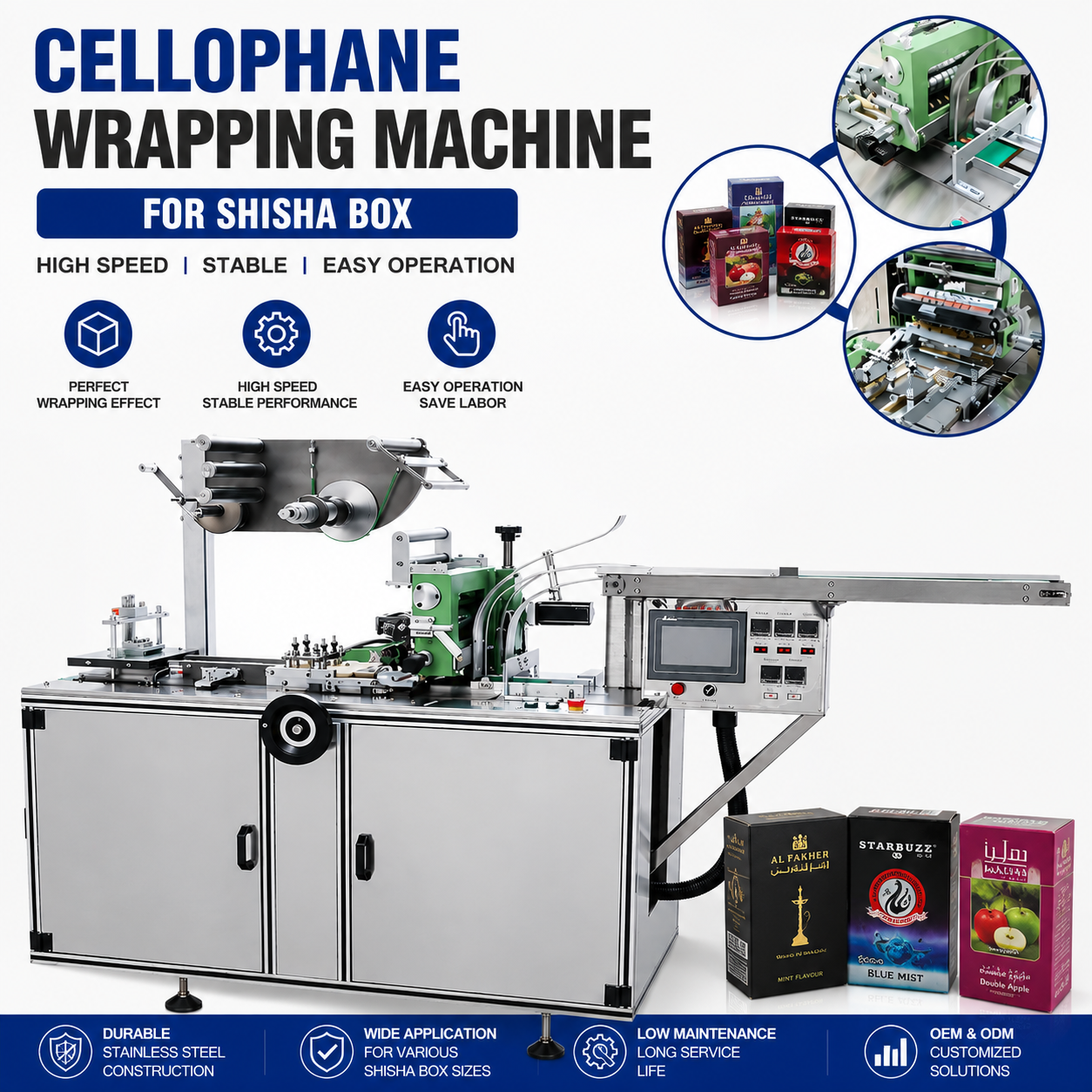
Yes, an automatic cellophane wrapping machine can double daily output in many B2B packaging environments, but it happens through process design rather than a single equipment purchase. Output jumps when manual bottlenecks are removed, cycle time becomes predictable, and changeovers are standardized across shifts. In practical factory terms, an automatic cellophane wrapping machine reduces waiting, hand motion, and rework while keeping packaging quality stable at higher speed. The result is not only more wrapped units per hour, but more sellable units per day.
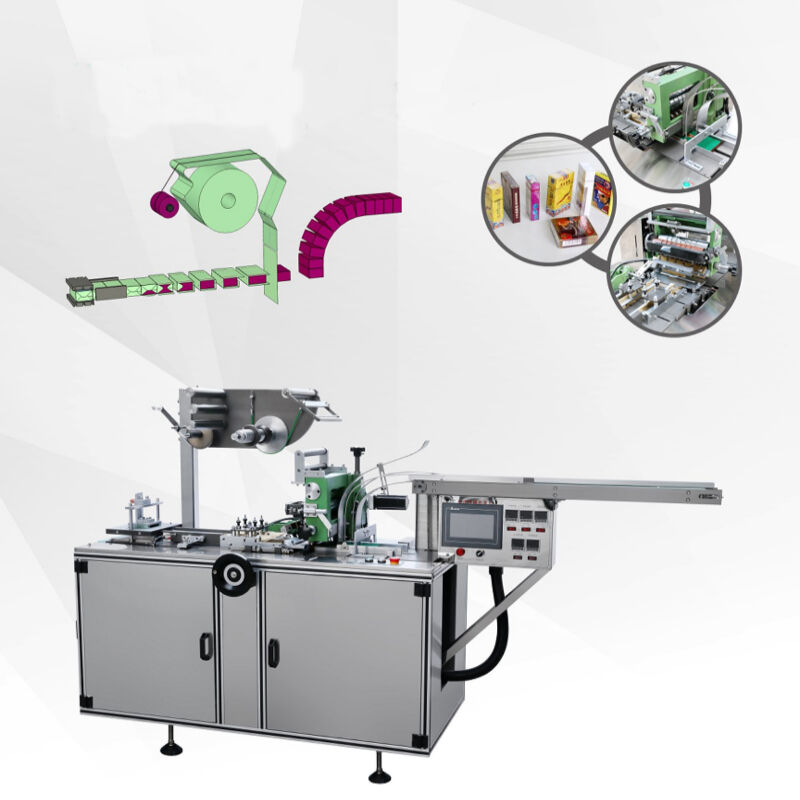
To understand how an automatic cellophane wrapping machine creates that level of gain, you need to look at the full workflow: infeed, film handling, wrapping, sealing, discharge, inspection, and carton transfer. A well-integrated automatic cellophane wrapping machine does not just run faster than manual work; it creates a repeatable rhythm that upstream and downstream teams can plan around. When that rhythm is protected by proper setup and operator discipline, the same shift length produces dramatically higher throughput with fewer interruptions.
Output Doubling Starts With Bottleneck Removal
Manual wrapping limits line speed before most teams notice it
In many plants, wrapping is treated as a finishing step, but it often controls total line speed. Manual crews can only sustain a certain pace, and fatigue causes cycle variation over long runs. An automatic cellophane wrapping machine removes that human speed ceiling by turning wrap and seal into a continuous mechanical cycle. Once installed, the automatic cellophane wrapping machine allows upstream production to flow without repeated stop-and-wait behavior.
That change is why an automatic cellophane wrapping machine can produce gains larger than expected from speed alone. The equipment does not only increase wraps per minute; it also reduces micro-delays between units. Those small pauses accumulate heavily across a full day. By eliminating them, an automatic cellophane wrapping machine increases effective runtime and lifts real daily output, not just theoretical capacity.
Stable cycle time converts labor effort into throughput
A key reason an automatic cellophane wrapping machine can double output is cycle consistency. Manual methods may hit short bursts of high speed, but average performance drops due to variability. With an automatic cellophane wrapping machine, each package follows the same timed sequence, so planning becomes more accurate and shift supervisors can balance labor around a known takt. Predictability allows more units to complete packaging before shift end.
Consistency also improves scheduling quality. When the automatic cellophane wrapping machine runs at a repeatable cadence, palletizing, labeling, and dispatch are easier to synchronize. That synchronization cuts internal queue buildup, which often hides lost hours in industrial settings. The automatic cellophane wrapping machine therefore raises daily output by protecting flow across the whole packaging cell.
Mechanisms That Create 2x Daily Throughput
Continuous feeding and automatic sealing compress processing time
The biggest throughput jump comes from combining automatic infeed with reliable seal performance. A modern automatic cellophane wrapping machine can accept a steady stream of products, align them, wrap film tightly, and complete closure without hand intervention on every unit. This sequence reduces touchpoints and shrinks processing seconds per pack. Over thousands of units, that time compression is the foundation of output doubling.
Seal quality matters as much as speed. If seals fail, rework destroys throughput gains. A well-tuned automatic cellophane wrapping machine applies repeatable heat and pressure, keeping rejection low at high pace. With less rework and fewer interruptions, the automatic cellophane wrapping machine protects net output and makes high-volume operation sustainable across multiple shifts.
Fast changeovers preserve productive minutes across SKUs
Factories rarely run one SKU all day. Product size changes, bundle formats shift, and film adjustments are frequent. An automatic cellophane wrapping machine with clear adjustment points, recipe settings, and easy access shortens changeover windows that would otherwise consume production time. Each saved changeover minute converts directly into additional wrapped units by day end.
Teams that use standardized setup sheets with the automatic cellophane wrapping machine often see a second wave of gains after installation. First, the machine raises base speed. Then process discipline cuts transition losses between jobs. Together, those effects explain why an automatic cellophane wrapping machine can move from a 20 to 40 percent increase in early months to near 2x output once operations stabilize.
Implementation Conditions That Determine Whether You Reach 2x
Line balancing and material flow control the real result
An automatic cellophane wrapping machine cannot double output if products arrive inconsistently or discharge areas block. Infeed spacing, conveyor speed matching, and carton availability must be aligned. When these basics are ignored, the automatic cellophane wrapping machine spends too much time waiting or idling, and theoretical speed never converts into shipped volume. Output doubling depends on system balance, not machine speed in isolation.
Film quality and handling also affect performance. If film rolls vary or storage conditions cause instability, seal behavior changes and stoppages increase. Plants that treat consumables as a controlled process usually unlock more value from an automatic cellophane wrapping machine. Stable material input allows the automatic cellophane wrapping machine to maintain high utilization and predictable shift output.
Operator capability turns installed capacity into shipped units
Even with advanced controls, operator practice still matters. Teams should know startup checks, tension calibration, fault recovery, and daily cleaning points. Proper training reduces unplanned downtime and shortens restart time after stops. That is why an automatic cellophane wrapping machine delivers the best gains when paired with clear standard work and shift handover routines.
Supervisors should track runtime, minor stops, reject rate, and changeover duration specifically for the automatic cellophane wrapping machine. These indicators reveal where output is being lost in real conditions. With weekly review and targeted correction, the automatic cellophane wrapping machine steadily approaches its design throughput, making 2x daily output a realistic operational target rather than a marketing claim.
Practical Rollout Plan for Faster ROI and Higher Daily Output
Pilot deployment and baseline measurement prevent false expectations
Start by documenting your current packaging cell performance before adding an automatic cellophane wrapping machine. Capture units per hour, stoppage causes, labor allocation, and rework rates by shift. This baseline allows you to calculate true impact after commissioning. Without baseline data, teams may overestimate improvements or miss hidden losses that block the full benefit of an automatic cellophane wrapping machine.
During pilot operation, run the automatic cellophane wrapping machine on representative products, not only easy SKUs. Measure changeover behavior and seal consistency under normal factory pressure. That realistic test shows whether the automatic cellophane wrapping machine can sustain performance across your actual production mix. It also guides training priorities before full-scale rollout.
Scale-up discipline secures long-term throughput gains
After pilot validation, scale with structured controls: preventive maintenance intervals, spare-part readiness, and daily performance review cadence. This operating framework keeps the automatic cellophane wrapping machine available when demand peaks. Plants that skip this discipline often see early gains fade due to avoidable downtime and inconsistent setup quality.
For teams evaluating equipment options, this automatic cellophane wrapping machine page is useful as a technical reference point for discussing configuration and line-fit requirements internally. The most important decision principle is alignment between machine capability and your product flow reality. When alignment is strong, an automatic cellophane wrapping machine can move output from constrained to scalable with measurable day-by-day impact.
FAQ
Can every factory expect output to double after installing an automatic cellophane wrapping machine?
Not every factory will see an immediate 2x increase. The automatic cellophane wrapping machine must be supported by balanced infeed, stable consumables, and trained operators. Sites with severe manual bottlenecks often approach doubling quickly, while already optimized lines may see smaller but still valuable gains.
How long does it usually take to realize full productivity from an automatic cellophane wrapping machine?
Many facilities see initial gains in the first weeks, but full performance often takes one to three months of tuning. During that period, teams refine settings, reduce minor stops, and standardize changeovers. The automatic cellophane wrapping machine reaches peak daily contribution when process discipline becomes routine.
Does an automatic cellophane wrapping machine reduce labor needs or reassign labor?
In most B2B settings, labor is reassigned rather than eliminated. The automatic cellophane wrapping machine reduces repetitive hand-wrapping tasks, allowing staff to focus on quality checks, material flow, and downstream packing coordination. This shift improves both throughput and operational control.
What is the most common reason output gains fall short after commissioning?
The most common reason is treating the automatic cellophane wrapping machine as a standalone upgrade instead of a workflow upgrade. When upstream supply, changeover practices, and maintenance routines are not synchronized, downtime rises and expected output is lost. Integrated line management is essential for achieving and sustaining near-2x daily results.
Table of Contents
- Output Doubling Starts With Bottleneck Removal
- Mechanisms That Create 2x Daily Throughput
- Implementation Conditions That Determine Whether You Reach 2x
- Practical Rollout Plan for Faster ROI and Higher Daily Output
-
FAQ
- Can every factory expect output to double after installing an automatic cellophane wrapping machine?
- How long does it usually take to realize full productivity from an automatic cellophane wrapping machine?
- Does an automatic cellophane wrapping machine reduce labor needs or reassign labor?
- What is the most common reason output gains fall short after commissioning?