
 EN
EN



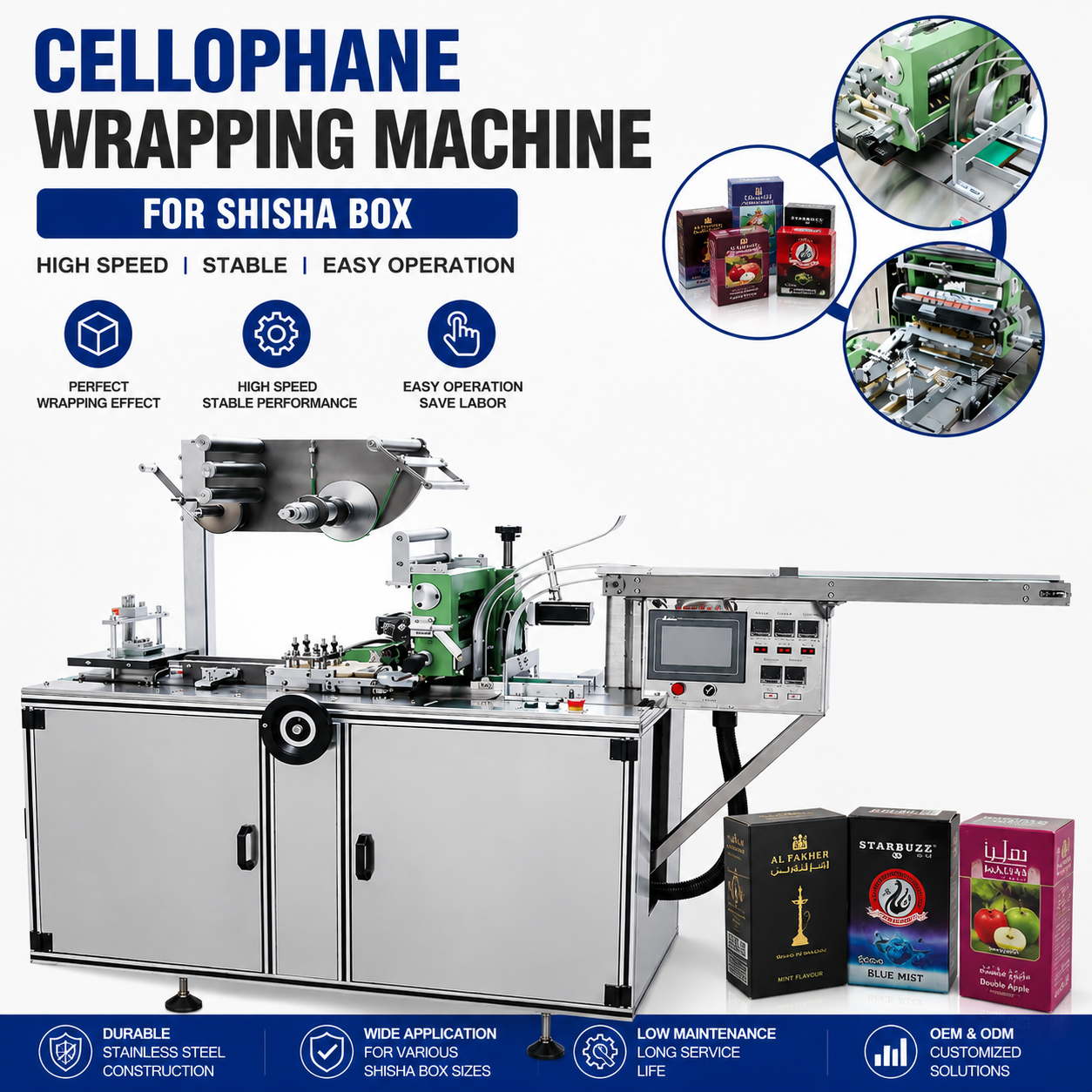
Selecting the right cellophane box wrapping machine is one of the most important decisions a packaging operation can make. With so many box shapes, sizes, and production volumes to consider, a poorly matched cellophane box wrapping machine can lead to film waste, downtime, and inconsistent seal quality. Understanding the core selection criteria before purchasing ensures your investment delivers reliable performance across every box type you handle.
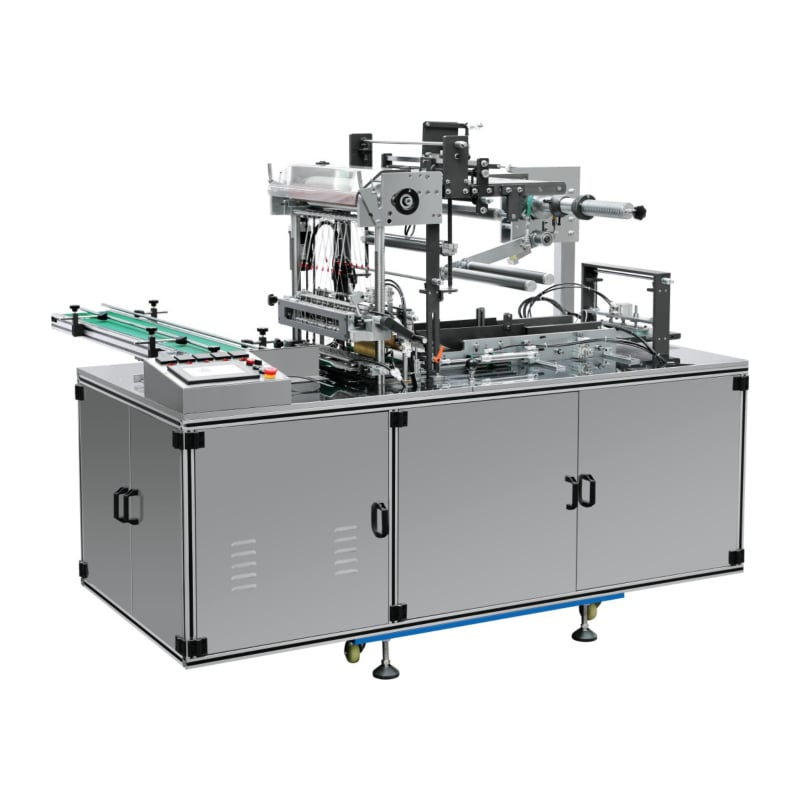
A cellophane box wrapping machine applies a transparent film tightly around a rigid box, creating a polished, tamper-evident finish that protects the product and enhances shelf appeal. Choosing the correct cellophane box wrapping machine for your specific box range requires a structured evaluation of machine adjustability, film specifications, output speed, and seal mechanism. This guide walks through each critical factor so you can make a confident, well-informed decision.
Understanding Box Type Diversity and Machine Adjustability
Why Box Dimensions Drive Machine Selection
The single most important factor when choosing a cellophane box wrapping machine is how well it accommodates the full range of box dimensions you process. A cellophane box wrapping machine that handles only narrow size windows forces you to invest in multiple machines or accept gaps in your product line. Look for a cellophane box wrapping machine with wide, tool-free adjustment systems that allow operators to switch between box sizes quickly without extended downtime.
Square boxes, rectangular boxes, book-style cases, and elongated cartons each present different wrapping geometry. A high-quality cellophane box wrapping machine should provide independent adjustments for length, width, and height so each box type receives a tight, wrinkle-free film wrap. When evaluating a cellophane box wrapping machine, always test it against your largest and smallest box dimensions, not just your most common size.
Handling Irregular and Specialty Box Formats
Some product lines require a cellophane box wrapping machine capable of handling unusual formats such as slim card boxes, deep gift boxes, or beveled-edge packaging. A cellophane box wrapping machine with a modular folding system can adapt its fold-and-tuck sequence to accommodate non-standard shapes. Confirming that the cellophane box wrapping machine supports your specialty formats before purchase prevents costly retrofitting later.
Film Compatibility and Seal Quality Considerations
Matching Film Type to Your Cellophane Box Wrapping Machine
Not every cellophane box wrapping machine is designed for every film type. Traditional cellulose-based cellophane, BOPP heat-shrink film, and matte or glossy specialty films each have different shrink ratios, melting temperatures, and tensile properties. A cellophane box wrapping machine with adjustable temperature control and precise tension management can handle a broader film range, giving you flexibility as your packaging requirements evolve.
When selecting a cellophane box wrapping machine, request the full list of compatible film types and thickness ranges from the manufacturer. A cellophane box wrapping machine optimized only for standard clear BOPP may deliver poor results when you introduce eco-friendly biodegradable films or thicker premium cellophane grades. Film flexibility directly affects the long-term versatility of any cellophane box wrapping machine.
Evaluating Seal Consistency Across Box Types
Seal quality is a defining performance metric for any cellophane box wrapping machine. A well-configured cellophane box wrapping machine produces clean, flat seals on every box size without visible burn marks, lifted edges, or loose corners. The sealing system of a reliable cellophane box wrapping machine should maintain consistent heat and pressure as box dimensions change, because uneven pressure causes seal failures that damage brand presentation.
Look for a cellophane box wrapping machine that uses independently controlled side and end sealers. This design allows the cellophane box wrapping machine to adapt seal parameters by box zone, preventing overheating on narrow edges while ensuring full adhesion on wide surfaces. Consistent sealing across diverse box types is what separates a premium cellophane box wrapping machine from an entry-level model.
Production Speed, Automation Level, and Operational Fit
Aligning Output Speed With Your Volume Requirements
Every cellophane box wrapping machine has a rated wrapping speed measured in boxes per minute. Choosing a cellophane box wrapping machine with a speed rating that matches your peak production demand prevents bottlenecks. If your line produces 60 boxes per minute at peak, selecting a cellophane box wrapping machine rated for only 40 boxes per minute will create queuing problems that slow the entire operation.
However, running a cellophane box wrapping machine continuously at maximum speed reduces component lifespan. A best practice is to select a cellophane box wrapping machine rated 20 to 30 percent above your typical production speed. This buffer keeps the cellophane box wrapping machine operating in its optimal range during standard shifts while giving headroom for peak demand periods.
Automation Features That Support Diverse Box Handling
A modern cellophane box wrapping machine often includes programmable size memory, automatic film splicing, and conveyor-speed synchronization. These features are especially valuable when a cellophane box wrapping machine must switch between box types several times per shift. Programmable presets allow operators to recall saved configurations for each box format, dramatically reducing the changeover time associated with running a cellophane box wrapping machine across a diverse product range.
Integration with upstream and downstream conveyor systems is another important consideration. A cellophane box wrapping machine that communicates with adjacent equipment through sensors and PLC signals reduces manual handling and error rates. When your operation runs multiple box formats daily, investing in a cellophane box wrapping machine with strong automation features pays back quickly through labor savings and reduced reject rates.
FAQ
Can one cellophane box wrapping machine handle very different box sizes?
Yes, many modern cellophane box wrapping machine models offer wide adjustment ranges that cover significantly different box dimensions. The key is confirming the machine's minimum and maximum length, width, and height specifications match your full product range before purchasing. A cellophane box wrapping machine with tool-free size adjustment makes switching between very different formats practical on a production floor.
What film thickness works best in a cellophane box wrapping machine?
Most standard cellophane box wrapping machine models work well with films in the 20 to 40 micron range. Thinner films produce a more transparent, lightweight finish while thicker films offer greater tear resistance. Always verify the film thickness compatibility range of a specific cellophane box wrapping machine with the supplier, especially if you use premium or biodegradable film grades that fall outside standard specifications.
How often does a cellophane box wrapping machine require maintenance?
A well-maintained cellophane box wrapping machine typically requires routine cleaning and lubrication every 200 to 500 operating hours depending on the model and production environment. Sealing wires, folding guides, and conveyor belts are the components most frequently serviced. Following the manufacturer's maintenance schedule for your cellophane box wrapping machine ensures consistent seal quality and extends overall machine service life significantly.