
 EN
EN


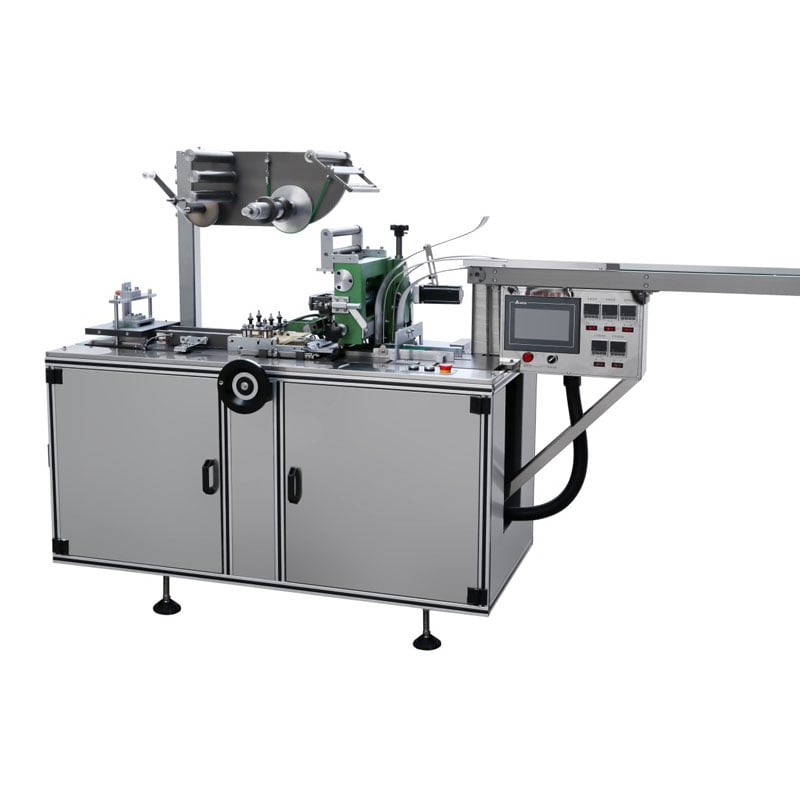
Sustainable packaging is no longer a trend — it is a business requirement. As brands across food, cosmetics, and consumer goods shift toward greener materials, the equipment used to apply those materials becomes equally important. A cellophane overwrapping machine is purpose-built to handle biodegradable and plant-based films with the precision and consistency that eco-friendly packaging demands. Choosing the right machine is not just about speed — it is about protecting the integrity of sustainable materials throughout the entire wrapping process.
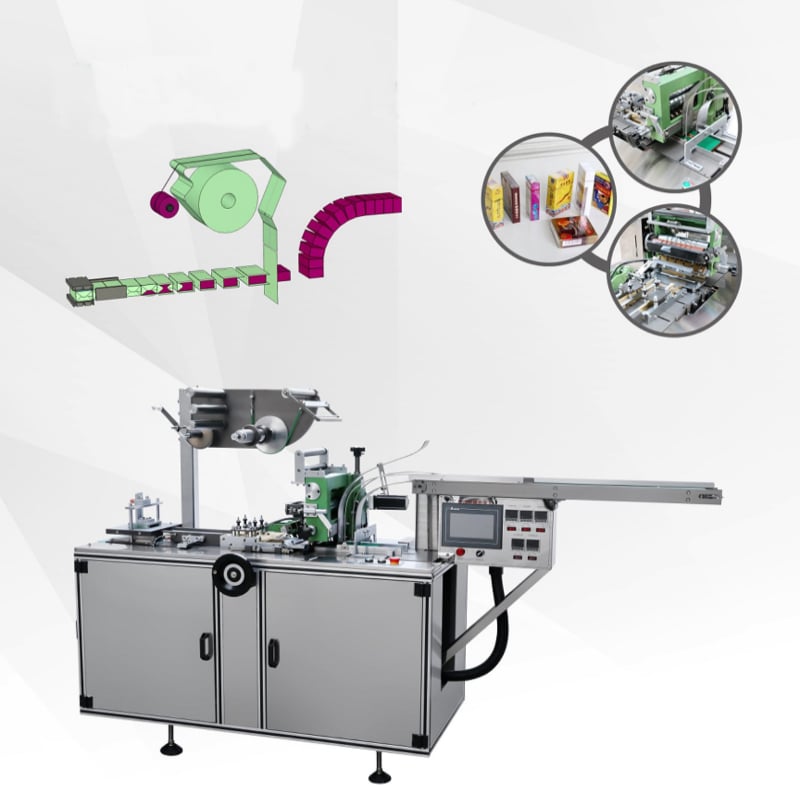
A cellophane overwrapping machine works by feeding a continuous film roll, folding it tightly around a product, and sealing it with heat or pressure. Unlike shrink wrapping or stretch film systems, a cellophane overwrapping machine is designed to create neat, structured folds without distorting thin or heat-sensitive eco films. This mechanical precision is exactly why manufacturers choosing biodegradable or compostable films consistently prefer a cellophane overwrapping machine over general-purpose alternatives.
Why Eco-Friendly Films Require Specialized Equipment
The Material Sensitivity Challenge
Eco-friendly films — including cellulose-based cellophane, PLA (polylactic acid) film, and starch-blend films — behave very differently from conventional BOPP or polyethylene films. They are typically thinner, more temperature-sensitive, and less forgiving under mechanical tension. A standard wrapping machine calibrated for conventional plastic film may apply too much heat or too much pulling force, causing tearing, sealing failure, or film distortion. A cellophane overwrapping machine, by contrast, is engineered with adjustable tension controls and low-temperature sealing options that match the physical properties of delicate eco films. This compatibility reduces material waste, minimizes downtime from film breaks, and supports consistent output quality.
Film Feed Precision and Fold Quality
One of the key reasons a cellophane overwrapping machine outperforms general machines with eco films is its film feed precision. Eco films often have lower elongation tolerance, meaning any inconsistent feed speed or tension spike will cause misalignment or tears. A cellophane overwrapping machine uses synchronized servo-driven feed systems that maintain consistent film tension throughout the wrapping cycle. The result is clean, professional folds with tight corners — a visual quality standard that matters in premium product packaging. For brands packaging organic teas, natural cosmetics, or sustainable gift sets, this fold quality directly reflects the brand's commitment to craftsmanship.
Operational Benefits When Using Eco Films
Reduced Waste and Higher Yield
Eco-friendly films often carry a higher material cost than conventional plastic films. Every torn sheet, misaligned wrap, or rejected package increases production cost and undermines sustainability goals by sending packaging material to waste. A cellophane overwrapping machine is optimized to maximize film yield through accurate film length cutting and minimal trim waste. Operators can fine-tune the cutting position and sealing temperature to match each film type, ensuring that expensive biodegradable film is used efficiently. Over a full production run, this precision translates into meaningful cost savings and a lower environmental footprint — both of which are central concerns for brands investing in sustainable packaging.
Compatibility Across Multiple Eco Film Types
Not all eco films are the same. A cellophane overwrapping machine designed for sustainable packaging typically supports a range of biodegradable and compostable films by offering adjustable sealing temperature ranges, variable film width settings, and customizable fold profiles. This flexibility allows manufacturers to switch between film types — for example, from natural cellophane to PLA film — without replacing core machine components. For packaging operations that serve multiple product lines or clients with different sustainability specifications, this adaptability is a significant operational advantage. A cellophane overwrapping machine thus functions as a future-ready platform as material innovation in eco films continues to evolve.
Strategic Value for Sustainable Packaging Operations
Brand Alignment and Market Positioning
Using a cellophane overwrapping machine to apply eco-friendly films is more than an operational decision — it is a brand strategy. Consumers and retail buyers increasingly evaluate products not just on what is inside the package but on how it is wrapped. A cellophane overwrapping machine produces the clean, transparent, tightly wrapped finish that is visually associated with premium, natural products. This appearance reinforces a brand's eco-friendly positioning without requiring additional labeling. When a product arrives with a neat cellophane wrap made from plant-based film, it communicates responsible sourcing and attention to detail at the shelf level — a powerful differentiator in competitive markets.
Compliance and Certification Readiness
Many markets are introducing regulations around single-use plastics and packaging sustainability. Brands that have already integrated a cellophane overwrapping machine into their production lines are better positioned to meet these compliance requirements. Because a cellophane overwrapping machine is inherently designed around thin, plant-derived films, transitioning to certified compostable or biodegradable materials requires minimal machine adjustment. This readiness reduces the cost and risk of regulatory adaptation. Additionally, eco-certified packaging often requires that the film application process does not compromise the film's compostability rating — a condition that a properly calibrated cellophane overwrapping machine reliably satisfies through its controlled sealing and folding process.
FAQ
Can a cellophane overwrapping machine handle PLA film the same way it handles natural cellophane?
Yes, a cellophane overwrapping machine with adjustable sealing temperature and tension controls can handle PLA film effectively. PLA film has a lower melting point than natural cellophane, so operators should reduce sealing temperature settings when switching film types. Most modern cellophane overwrapping machine models include this adjustment capability as a standard feature, making the transition straightforward without major reconfiguration.
How does a cellophane overwrapping machine reduce film waste compared to other wrapping methods?
A cellophane overwrapping machine uses precise film length measurement and cutting control, which minimizes excess film consumption per package. Unlike shrink tunnel systems that rely on heat shrinkage and often require larger film pre-cuts, a cellophane overwrapping machine applies a pre-measured film sheet folded directly around the product. This approach reduces off-cut waste and supports more predictable film consumption, which is especially important when working with higher-cost eco-friendly film materials.
Is a cellophane overwrapping machine suitable for small or medium packaging operations?
A cellophane overwrapping machine is available in a range of configurations, from semi-automatic models suitable for small-scale production to fully automatic high-speed systems for large operations. For small or medium businesses adopting eco-friendly films, a semi-automatic cellophane overwrapping machine offers a cost-effective entry point with the same material compatibility benefits. As production volume grows, the operation can scale up to a fully automatic cellophane overwrapping machine without needing to change the film type or packaging format.