
 EN
EN



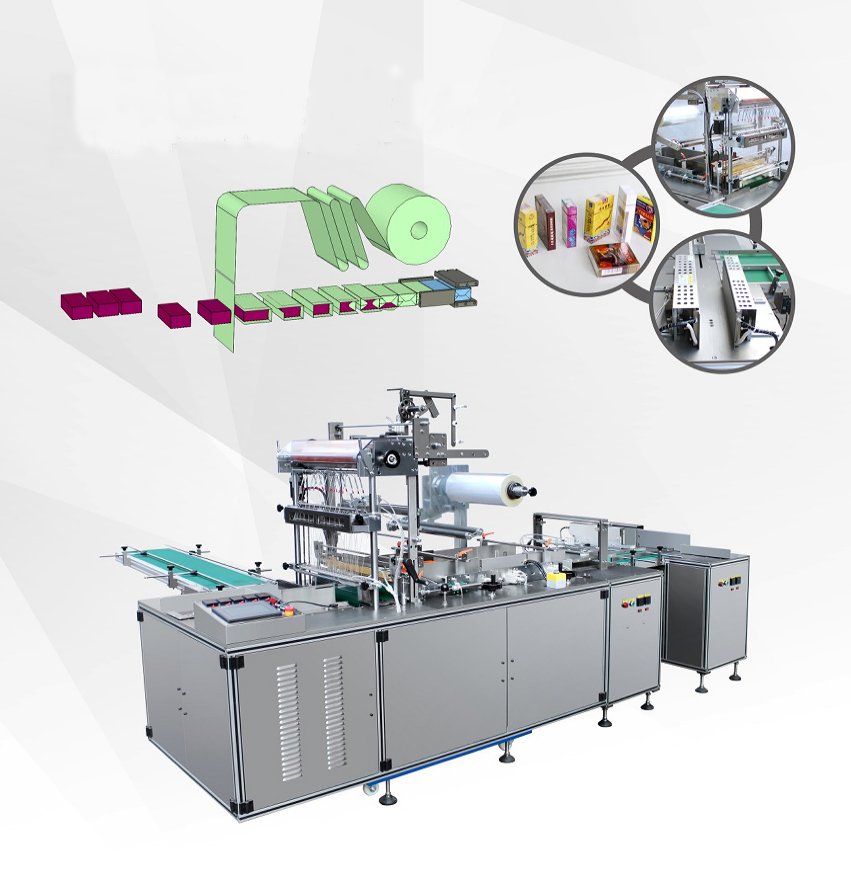
ໃນສະພາບແວດລ້ອມການຜະລິດ ແລະ ການຈຳ່່າຍທີ່ແຂ່ງຂັນຢ່າງຮຸນແຮງໃນປັດຈຸບັນ, ການຫໍ່ຫໍ່ບໍ່ໄດ້ເປັນພຽງແຕ່ຊັ້ນປ້ອງກັນເທົ່ານັ້ນ — ມັນເປັນການສະທ້ອນຄຸນນະພາບຂອງຜະລິດຕະພັນ, ອັດຕາລັກສະນະຂອງຍີ່ຫໍ້ ແລະ ປະສິດທິພາບໃນການດຳເນີນງານຢ່າງເຖິງຈຸດ. ເຄື່ອງ ຫໍ່ຫໍ່ດ້ວຍເຊລໂຟເຣນ ໄດ້ເກີດຂຶ້ນເປັນເຕັກໂນໂລຊີຫຼັກສຳລັບທຸລະກິດທີ່ຕ້ອງການທັງຄວາມດຶງດູດດ້ານທັດສະນີ ແລະ ຄວາມເຊື່ອຖືໄດ້ດ້ານການໃຊ້ງານໃນຂະບວນການຫໍ່ຫໍ່ຂອງພວກເຂົາ. ຈາກຜະລິດຕະພັນເຄື່ອງສຳອາງ ແລະ ຢາ ໄປຈົນເຖິງອາຫານ ແລະ ວັດຖຸທີ່ພິມແລ້ວ ການນຳໃຊ້ເຕັກໂນໂລຊີນີ້ມີຢູ່ໃນອຸດສາຫະກຳທີ່ແຕກຕ່າງກັນຫຼາຍ, ໂດຍແຕ່ລະອຸດສາຫະກຳຈະໄດ້ຮັບປະໂຫຍດຈາກຄວາມຮູ້ສຶກທີ່ເປັນເອກະລັກຂອງມັນເຊິ່ງປະກອບດ້ວຍຄວາມໄວ, ຄວາມຖືກຕ້ອງ, ແລະ ຄຸນນະພາບຂອງການນຳສະເໜີ.
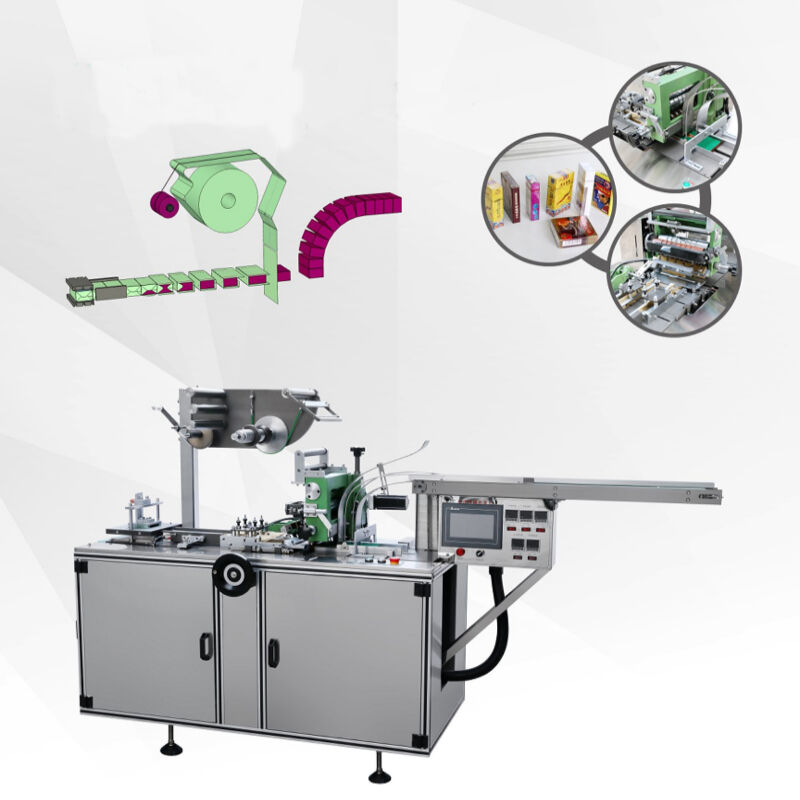
ການພັດທະນາທີ່ທັນສະໄໝໃນດ້ານການອັດຕະໂນມັດ, ເຕັກໂນໂລຊີຟີລ໌ມ, ແລະ ສະຕິປັນຍາຂອງເຄື່ອງຈັກ ໄດ້ປ່ຽນແປງສິ່ງທີ່ເຄື່ອງຫໍ່ຫໍ່ເຊລີໂຟຣານ (cellophane) ສາມາດໃຫ້ໄດ້. ທຸລະກິດທີ່ເຄີຍອີງໃສ່ການຫໍ່ຫໍ່ດ້ວຍມື ຫຼື ອຸປະກອນກາງທີ່ເກົ່າແກ່ ປະຈຸບັນນີ້ກຳລັງອັບເກຣດໄປເປັນລະບົບທີ່ເຊື່ອມຕໍ່ຢ່າງເຕັມຮູບແບບ ເຊິ່ງຊ່ວຍຫຼຸດຜ່ອນການອາໄສແຮງງານມະນຸດໄດ້ຢ່າງຫຼວງຫຼາຍ, ປັບປຸງຄວາມສອດຄ່ອງ, ແລະ ລົດຕຳຫຼວດຕົ້ນທຶນການຫໍ່ຫໍ່ຕໍ່ໜ່ວຍ. ການເຂົ້າໃຈປະໂຫຍດທີ່ສຳຄັນທີ່ສຸດຂອງອຸປະກອນນີ້ ແມ່ນສຳຄັນຫຼາຍສຳລັບຜູ້ຈັດການດ້ານການດຳເນີນງານ ຫຼື ຜູ້ຈັດຊື້ທີ່ກຳລັງປະເມີນການລົງທຶນດ້ານການຫໍ່ຫໍ່ທີ່ມີຈຸດປະສົງເພື່ອຄືນທຶນທີ່ຍືນຍາວໃນອະນາຄົດ.
ການນຳສະເໜີຜະລິດຕະພັນທີ່ດີເລີດ ແລະ ຄວາມຊັດເຈນ
ຜົນກະທົບທີ່ເຫັນໄດ້ຈາກການຫໍ່ຫໍ່ເຊລີໂຟຣານ
ໜຶ່ງໃນປະໂຫຍດທີ່ເຫັນໄດ້ທັນທີ ແລະ ມີຄວາມສຳຄັນດ້ານການຄ້າຫຼາຍທີ່ສຸດຂອງເຄື່ອງຫໍ່ຜະລິດຕະພັນດ້ວຍເຊລີໂຟເຣນ ແມ່ນຜິວໜ້າທີ່ເງົາເປີດເຫັນຢ່າງຊັດເຈນ ແລະ ສະອາດເປີດເຫັນຢ່າງເຕັມທີ່ທີ່ມັນໃຫ້ກັບຜະລິດຕະພັນທີ່ຖືກຫໍ່. ເມື່ອໃຊ້ຟີລ໌ເຊລີໂຟເຣນ ຈະໃຫ້ຄວາມຊັດເຈນດ້ານທັດສະນະຢ່າງຍອດເຢີ່ຍມ, ເຮັດໃຫ້ຜູ້ບໍລິໂພກ ແລະ ຜູ້ຊື້ສາມາດເຫັນຜະລິດຕະພັນໄດ້ຜ່ານຫໍ່ບໍ່ມີການບິດເບືອນໃດໆ. ຄວາມແຕກຕ່າງນີ້ມີຄຸນຄ່າເປັນຢ່າງຍິ່ງໃນສະຖານທີ່ຂາຍຍ່ອຍ ໂດຍທີ່ຮູບລັກສະນະຂອງຜະລິດຕະພັນມີອິດທິພົວຕໍ່ການμຕັດສິນໃຈຊື້ຂອງລູກຄ້າໂດຍກົງ.
ຕ່າງຈາກວັດຖຸຫໍ່ທີ່ບໍ່ສາມາດເຫັນຜ່ານໄດ້, ການຫໍ່ດ້ວຍເຊລີໂຟເຣນສື່ຄວາມໝັ້ນໃຈໃນຄຸນນະພາບຂອງຜະລິດຕະພັນ. ເມື່ອເຄື່ອງຫໍ່ຜະລິດຕະພັນດ້ວຍເຊລີໂຟເຣນນຳຟີລ໌ມາຫໍ່ຢ່າງໃກ້ຊິດ ແລະ ສະເໝືອນກັນທົ່ວທັງທັງໝົດ, ຜົນທີ່ໄດ້ຈະເປັນຮູບລັກສະນະທີ່ເບິ່ງເປັນມືອາຊີບ ແລະ ສາມາດນຳໄປຈັດສະແດງໃນຮ້ານໄດ້ທັນທີ, ເຊິ່ງຈະຍົກລະດັບຄວາມຮູ້ສຶກຕໍ່ຍີ່ຫໍ້. ຄຸນສົມບັດດ້ານການເບິ່ງທີ່ມີຄຸນຄ່າສູງນີ້ເປັນສິ່ງທີ່ຍາກຈະເຮັດຄືນໃໝ່ໄດ້ດ້ວຍຮູບແບບການຫໍ່ອື່ນໆ, ແລະ ຈະເຮັດໃຫ້ຜະລິດຕະພັນມີຄວາມແຕກຕ່າງອອກມາຢ່າງເດັ່ນຊັດໃນຊັ້ນສິນຄ້າທີ່ເຕັມໄປດ້ວຍຜະລິດຕະພັນ.
ສຳລັບອຸດສາຫະກຳເຊັ່ນ: ການຫໍ່ຂອງຂວັນ, ສິນຄ້າຟຸ້ມເຟືອຍ, ແລະ ອາຫານຄຸນນະພາບສູງ, ມູນຄ່າດ້ານຮູບຮ່າງທີ່ເຄື່ອງຫໍ່ດ້ວຍເຊລໂຟເຣນໃຫ້ແມ່ນບໍ່ໄດ້ເປັນພຽງແຕ່ດ້ານຮູບຮ່າງເທົ່ານັ້ນ — ແຕ່ເປັນປັດໄຈທີ່ວັດແທກໄດ້ຕໍ່ຄວາມພໍໃຈຂອງລູກຄ້າ ແລະ ມູນຄ່າທີ່ຖືກຮັບຮູ້. ການພັບທີ່ເລີຍລົ້ນ, ການປິດຜນທີ່ຖືກຕ້ອງດ້ວຍຄວາມຮ້ອນ, ແລະ ພື້ນໜ້າທີ່ບໍ່ມີຮ່ອຍຍັບທັງໝົດເຮັດໃຫ້ຜະລິດຕະພັນສຸດທ້າຍສະທ້ອນເຖິງຄວາມເປັນເລີດດ້ານການຜະລິດ.
ຄຸນນະພາບການຫໍ່ທີ່ເໝືອນກັນໃນປະລິມານສູງ
ຂະບວນການຫໍ່ດ້ວຍມືແມ່ນບໍ່ສາມາດຮັບປະກັນຄວາມເໝືອນກັນໄດ້ຢ່າງເປັນທຳ. ຜູ້ປະຕິບັດງານດ້ວຍມືຈະໃຫ້ຜົນໄດ້ຮັບທີ່ແຕກຕ່າງກັນໄປຕາມຄວາມເຫຼື່ອຍ, ລະດັບທັກສະ, ແລະ ສະພາບການເຮັດວຽກ. ເຄື່ອງຫໍ່ດ້ວຍເຊລໂຟເຣນທີ່ທັນສະໄໝຈະປິດການແຕກຕ່າງດັ່ງກ່າວນີ້ດ້ວຍການນຳໃຊ້ຄວາມຕຶງໃນການຫໍ່, ຮູບຮ່າງຂອງການພັບ, ແລະ ອຸນຫະພູມໃນການປິດຜນທີ່ເໝືອນກັນທຸກໆຊິ້ນທີ່ຖືກປຸງແປງ. ຜົນທີ່ໄດ້ຮັບແມ່ນຄວາມເໝືອນກັນທີ່ວິທີການດ້ວຍມືບໍ່ສາມາດບັນລຸໄດ້ໃນຂະໜາດທີ່ໃຫຍ່.
ຄວາມເໝືອນກັນນີ້ແມ່ນມີຄວາມສຳຄັນຢ່າງຍິ່ງຕໍ່ບໍລິສັດທີ່ດຳເນີນການຕາມມາດຕະຖານການຄວບຄຸມຄຸນນະພາບທີ່ເຂັ້ມງວດ ຫຼື ສົ່ງອອກຜະລິດຕະພັນໄປຍັງຕະຫຼາດທີ່ມີຄວາມຕ້ອງການເລື່ອງການຫໍ່ຫຸ້ມທີ່ເຈາະຈົງ. ດ້ວຍເຄື່ອງຫໍ່ຫຸ້ມດ້ວຍເຊລີໂຟເຣນ, ຄວາມເໝືອນກັນຂອງຄຸນນະພາບຈະຖືກຫຼຸດລົງໃຫ້ໜ້ອຍທີ່ສຸດ, ອັດຕາການປັບປຸງໃໝ່ຈະຫຼຸດລົງ, ແລະ ຄຳຮ້ອງທຸກຈາກລູກຄ້າທີ່ກ່ຽວຂ້ອງກັບຂໍ້ບົກເບີ່ນດ້ານການຫໍ່ຫຸ້ມຈະເກີດຂຶ້ນຢ່າງຫາຍາກ ກວ່າທີ່ຈະເກີດຂຶ້ນເປັນປົກກະຕິ.
ປະສິດທິພາບໃນການດຳເນີນງານ ແລະ ການເພີ່ມຂື້ນຂອງປະລິມານການຜະລິດ
ການອັດຕະໂນມັດທີ່ມີຄວາມໄວສູງເພື່ອການຜະລິດທີ່ສາມາດຂະຫຍາຍໄດ້
ເຄື່ອງຫໍ່ຫຸ້ມດ້ວຍເຊລີໂຟເຣນທີ່ທັນສະໄໝຖືກອອກແບບມາເພື່ອການດຳເນີນງານທີ່ມີຄວາມໄວສູງ, ໂດຍເຄື່ອງຫຼາຍຮຸ່ນສາມາດຫໍ່ຫຸ້ມຜະລິດຕະພັນໄດ້ເຖິງຫຼາຍຮ້ອຍຊິ້ນຕໍ່ນາທີ ຂຶ້ນກັບຂະໜາດຂອງຜະລິດຕະພັນ ແລະ ຄຸນລັກສະນະຂອງຟີມ. ຄວາມສາມາດໃນການຜະລິດນີ້ປ່ຽນແປງເສດຖະກິດຂອງການຫໍ່ຫຸ້ມຢ່າງເລິກເຊິ່ງ. ສິ່ງທີ່ອາດຈະໃຊ້ເວລາຫຼາຍຊົ່ວໂມງຂອງທີມງານທີ່ຫໍ່ຫຸ້ມດ້ວຍມື ສາມາດເຮັດໄດ້ດ້ວຍເຄື່ອງເດີ່ยวໃນເວລາທີ່ສັ້ນຫຼາຍ.
ສຳລັບຜູ້ຜະລິດທີ່ດຳເນີນການແຖວການຜະລິດທີ່ມີປະລິມານສູງ, ການຕິດຕັ້ງເຄື່ອງຫໍ່ຫໍ່ດ້ວຍເຊລໂຟເຣນເຂົ້າໄປໃນຂະບວນການຜະລິດຢ່າງເປັນເອກະລາດ ສາມາດເຮັດໃຫ້ການຫໍ່ຫໍ່ສອດຄ່ອງກັບອັດຕາການຜະລິດຂອງຂະບວນການກ່ອນໜ້ານີ້ ໂດຍບໍ່ເກີດເປັນຈຸດຄ້ອນຂັດ. ການສອດຄ່ອງນີ້ຊ່ວຍຫຼຸດສະຕັອກສິນຄ້າທີ່ຢູ່ໃນຂະບວນການຜະລິດ, ລຸດເວລາຈັດສົ່ງ, ແລະ ປັບປຸງປະສິດທິພາບທັງໝົດຂອງແຖວການຜະລິດ— ສິ່ງເຫຼົ່ານີ້ທັງໝົດສາມາດວັດແທກໄດ້ເປັນການປະຢັດຄ່າໃຊ້ຈ່າຍ ແລະ ຈັດສົ່ງຄຳສັ່ງໄດ້ໄວຂຶ້ນ.
ຂໍ້ດີດ້ານຄວາມໄວຂອງເຄື່ອງຫໍ່ຫໍ່ດ້ວຍເຊລໂຟເຣນຍັງໃຫ້ຄວາມຍືດຫວຽນທີ່ດີຂຶ້ນແກ່ທຸລະກິດໃນໄລຍະທີ່ຄວາມຕ້ອງການສູງ. ແທນທີ່ຈະຈ້າງແຮງງານຊົ່ວຄາວ ຫຼື ໃຊ້ເວລາເຮັດວຽກເກີນເວລາ, ບໍລິສັດສາມາດເພີ່ມການນຳໃຊ້ເຄື່ອງຈັກໃຫ້ຫຼາຍຂຶ້ນເພື່ອຕອບສະໜອງການເພີ່ມຂຶ້ນຂອງປະລິມານການຜະລິດ ໂດຍບໍ່ຕ້ອງເພີ່ມຄ່າໃຊ້ຈ່າຍດ້ານການດຳເນີນງານໃນສັດສ່ວນທີ່ສອດຄ່ອງກັນ.
ຫຼຸດການພຶ່ງພາແຮງງານ ແລະ ຄ່າໃຊ້ຈ່າຍທີ່ກ່ຽວຂ້ອງ
ການແຮງງານເປັນໜຶ່ງໃນຄ່າໃຊ້ຈ່າຍທີ່ສຳຄັນທີ່ສຸດ ແລະ ມີຄວາມຜັນແປຫຼາຍທີ່ສຸດໃນການດຳເນີນງານດ້ານການຫໍ່ຫຸ້ມ. ເຄື່ອງຫໍ່ຫຸ້ມດ້ວຍເຊລໂຟເຣນ (cellophane) ສາມາດຫຼຸດຈຳນວນບຸກຄະລາກອນທີ່ຕ້ອງໃຊ້ໃນການຫໍ່ຫຸ້ມໄດ້ຢ່າງຫຼວງຫຼາຍ ແລະ ສາມາດຈັດສີ່ງບຸກຄະລາກອນໄປເຮັດວຽກທີ່ມີຄຸນຄ່າສູງຂື້ນ ເຊັ່ນ: ການກວດສອບຄຸນນະພາບ, ການປະສານງານດ້ານການຈັດສົ່ງ ຫຼື ການຕິດຕາມການເຮັດວຽກຂອງເຄື່ອງຈັກ. ການປ່ຽນແປງນີ້ບໍ່ພຽງແຕ່ຊ່ວຍຫຼຸດຄ່າໃຊ້ຈ່າຍດ້ານແຮງງານໂດຍກົງເທົ່ານັ້ນ ແຕ່ຍັງຫຼຸດຄ່າໃຊ້ຈ່າຍທີ່ກ່ຽວຂ້ອງກັບການຝຶກອົບຮົມ, ອัດຕາການເปลີ່ຍແປງບຸກຄະລາກອນ ແລະ ຄວາມສ່ຽງດ້ານສະຖານທີ່ເຮັດວຽກທີ່ກ່ຽວຂ້ອງກັບສະຖານະການດ້ານສຸຂະພາບ.
ໃນເຂດທີ່ການມີແຮງງານໃຫ້ບໍລິການເປັນບັນຫາດ້ານການດຳເນີນງານທີ່ເກີດຂື້ນຢ່າງຕໍ່ເນື່ອງ, ການໃຊ້ເຄື່ອງຫໍ່ຫຸ້ມດ້ວຍເຊລໂຟເຣນເພື່ອອັດຕະໂນມັດຂະບວນການຫໍ່ຫຸ້ມຈະເປັນວິທີແກ້ໄຂທີ່ມີຄວາມໝັ້ນຄົງ ແລະ ບໍ່ຖືກຜົນກະທົບຈາກການປ່ຽນແປງຂອງແຮງງານ. ເຄື່ອງຈັກນີ້ສາມາດເຮັດວຽກໄດ້ຢ່າງຕໍ່ເນື່ອງທັງໃນການເຮັດວຽກທຸກໆການເວີນ, ວັນສຸດສະປາ, ແລະ ວັນພັກສົງການ ໂດຍໃຫ້ຄວາມເຊື່ອຖືໄດ້ໃນລະດັບທີ່ຂະບວນການທີ່ອີງໃສ່ແຮງງານມະນຸດບໍ່ສາມາດບັນລຸໄດ້.
ປະສິດທິພາບຂອງຟີມ ແລະ ການຫຼຸດຜ່ອນຂະບວນການສູນເສຍ
ການສົ່ງຟີມໄປຢ່າງຖືກຕ້ອງ ແລະ ການຕັດທີ່ມີຄວາມແນ່ນອນ
ເຄື່ອງຫໍ່ຫໍ່ດ້ວຍເຊລີໂຟຣານທີ່ມີຄຸນນະພາບສູງຖືກອອກແບບດ້ວຍເຄື່ອງຈັກທີ່ປ້ອນຟິລມ໌ຢ່າງຖືກຕ້ອງ ເຊິ່ງຮັບປະກັນການເຄື່ອນທີ່ຂອງຟິລມ໌ຢ່າງຖືກຕ້ອງ ແລະ ມີການເກີນໄປນ້ອຍທີ່ສຸດ. ຄວາມຖືກຕ້ອງດ້ານວິສະວະກຳນີ້ຊ່ວຍຫຼຸດຜ່ອນການສູນເສຍວັດຖຸດິບຢ່າງຊັດເຈນ ເຊິ່ງເປັນປັດໄຈດ້ານຕົ້ນທຶນທີ່ສຳຄັນເມື່ອໃຊ້ຟິລມ໌ພິເສດໃນລະຫວ່າງວົງຈອນການຜະລິດຈຳນວນຫຼາຍລ້ານຄັ້ງ. ຄວາມສາມາດໃນການປັບຄວາມຕຶງຂອງຟິລມ໌ ແລະ ຕຳແໜ່ງການຕັດຢ່າງລະອອນ ໃຫ້ຜູ້ປະຕິບັດງານສາມາດປັບປຸງການໃຊ້ຟິລມ໌ຕໍ່ໜ່ວຍຜະລິດໄດ້ຢ່າງມີປະສິດທິພາບ ໂດຍບໍ່ເສຍຄຸນນະພາບຂອງການຫໍ່.
ການຫຼຸດຜ່ອນຂີ້ເຫື້ອເປັນບໍ່ພຽງແຕ່ບັນຫາດ້ານຕົ້ນທຶນເທົ່ານັ້ນ ແຕ່ຍັງເປັນບັນຫາດ້ານຄວາມຍືນຍົງທີ່ມີຄວາມສຳຄັນເພີ່ມຂື້ນອີກດ້ວຍ. ເມື່ອທຸລະກິດເປີດເຜີຍຕົວຕໍ່ຄວາມດັນດັນຈາກທັງທານການແລະຜູ້ບໍລິໂພກໃນການຫຼຸດຜ່ອນຂີ້ເຫື້ອຈາກການຫໍ່ຫໍ່ ເຄື່ອງຫໍ່ຫໍ່ດ້ວຍເຊລີໂຟຣານທີ່ຫຼຸດຜ່ອນການຕັດເອົາສ່ວນທີ່ເຫຼືອ (trim offcuts) ແລະ ຂີ້ເຫື້ອຈາກຟິລມ໌ (film scrap) ຈະຊ່ວຍປັບປຸງຕົວຊີ້ວັດດ້ານສິ່ງແວດລ້ອມໄດ້ຢ່າງວັດແທກໄດ້.
ຄວາມເຂົ້າກັນໄດ້ກັບຂໍ້ກຳນົດຂອງຟິລມ໌ທີ່ທັນສະໄໝ
ເຄື່ອງຫໍ່ຫໍ່ດ້ວຍເຊລໂລເຟນທີ່ທັນສະໄໝໃນປັດຈຸບັນຖືກອອກແບບມາເພື່ອຈັດການກັບປະເພດຂອງຟີມແລະຄວາມໜາທີ່ທີ່ແຕກຕ່າງກັນ, ລວມທັງທາງເລືອກຂອງເຊລໂລເຟນທີ່ສາມາດຍ່ອຍສະຫຼາຍໄດ້ແລະສາມາດປຸ່ງແຕ່ງໄດ້. ຄວາມຍືດຫຍຸ່ນນີ້ຮັບປະກັນວ່າທຸລະກິດສາມາດປ່ຽນໄປໃຊ້ວັດສະດຸທີ່ຍືນຍົງຫຼາຍຂຶ້ນໂດຍບໍ່ຈຳເປັນຕ້ອງລົງທຶນໃນອຸປະກອນໃໝ່ທັງໝົດ, ເຊິ່ງຊ່ວຍປ້ອງກັນຄວາມຢືນຍົງໃນໄລຍະຍາວຂອງໂຄງສ້າງການຫໍ່ຫໍ່ຂອງພວກເຂົາ.
ຄວາມເຂົ້າກັນໄດ້ຂອງຟີມຍັງໝາຍເຖິງວ່າເຄື່ອງຫໍ່ຫໍ່ດ້ວຍເຊລໂລເຟນສາມາດຕັ້ງຄ່າໃຫ້ເໝາະສົມກັບປະເພດຜະລິດຕະພັນທີ່ແຕກຕ່າງກັນໂດຍບໍ່ຈຳເປັນຕ້ອງປ່ຽນແປງຮ່າງກາຍຂອງອຸປະກອນຢ່າງໃຫຍ່ຫຼວງ. ບໍ່ວ່າຈະເປັນການຫໍ່ກ່ອງທີ່ແໜ້ນ, ຖົງທີ່ຍືດຫຍຸ່ນ, ຫຼື ຮູບຮ່າງຜະລິດຕະພັນທີ່ບໍ່ປົກກະຕິ, ພາລາມິເຕີທີ່ສາມາດປັບໄດ້ຂອງເຄື່ອງຈັກຈະສາມາດຮັບມືກັບຄວາມຕ້ອງການດ້ານການຫໍ່ຫໍ່ທີ່ແຕກຕ່າງກັນໄດ້ຢູ່ໃນເວທີດຽວ.
ການປ້ອງກັນຜະລິດຕະພັນ ແລະ ການຍືດອາຍຸການນຳໃຊ້
ຄຸນສົມບັດການກັນຂອງຟີມເຊລໂລເຟນ
ນອກຈາກດ້ານຄວາມງາມແລ້ວ ແຜ່ນໄຟລ໌ເຊລໂລຟານຍັງໃຫ້ປະໂຫຍດດ້ານການປ້ອງກັນທີ່ມີຄວາມໝາຍ ເຊິ່ງເຄື່ອງຫໍ່ຫໍ່ດ້ວຍເຊລໂລຟານຈະສາມາດຈັດສົ່ງໄດ້ຢ່າງຕໍ່ເນື່ອງ. ການຫໍ່ດ້ວຍເຊລໂລຟານຢ່າງຖືກຕ້ອງຈະສ້າງເປັນອຸປະກອນກັ້ນທີ່ປ້ອງກັນຝຸ່ນ ການເຂົ້າໄປຂອງຄວາມຊື້ນ ແລະ ມົນລະເພື້ອນທີ່ເກີດຂື້ນຕໍ່ໜ້າພື້ນຜິວ ເຊິ່ງຊ່ວຍຮັກສາຄວາມເປັນປະກົດຕິຂອງຜະລິດຕະພັນຈາກເສັ້ນຜະລິດໄປຈົນເຖິງຈຸດຂາຍ. ສຳລັບຜະລິດຕະພັນເຊັ່ນ: ຊົກໂກແລັດ ຢາ ແລະ ວັດສະດຸທີ່ມີການພິມ ການປ້ອງກັນນີ້ບໍ່ແມ່ນເລື່ອງທີ່ເລືອກໄດ້ – ມັນເປັນສິ່ງທີ່ຈຳເປັນ.
ຂະບວນການປິດຜົນດ້ວຍຄວາມຮ້ອນທີ່ເຄື່ອງຫໍ່ຫໍ່ດ້ວຍເຊລໂລຟານປະຕິບັດ ຈະສ້າງການປິດທີ່ກັ້ນອາກາດໄດ້ຢ່າງສົມບູນ ເຊິ່ງຈະປ້ອງກັນຜະລິດຕະພັນຈາກການສຳผັດກັບສິ່ງແວດລ້ອມ. ສິ່ງນີ້ມີຄວາມສຳຄັນເປັນພິເສດຕໍ່ສິນຄ້າທີ່ເສື່ອມສະພາບໄດ້ງ່າຍ ຫຼື ຜະລິດຕະພັນທີ່ອ່ອນໄຫວຕໍ່ຄວາມຊື້ນ ໂດຍທີ່ການລົ້ມເຫຼວຂອງການຫໍ່ຫໍ່ອາດຈະນຳໄປສູ່ການເສື່ອມສະພາບຂອງຜະລິດຕະພັນ ການຄືນສິນຄ້າຈາກລູກຄ້າ ແລະ ການສູນເສຍທາງດ້ານການເງິນຢ່າງມະຫາສານ. ການຫໍ່ດ້ວຍເຊລໂລຟານທີ່ປິດຢ່າງດີຈະເຮັດຫນ້າທີ່ເປັນເສັ້ນປ້ອງກັນຊັ້ນທຳອິດຕໍ່ເຫດການເຫຼົ່ານີ້.
ຄຸນລັກສະນະການພິສູດການແກ້ໄຂ ແລະ ຄວາມປອດໄພ
ເຄື່ອງຫໍ່ຫໍ່ດ້ວຍເຊລໂຟເຣນ ຍັງໃຫ້ບໍລິການດ້ານຄວາມປອດໄພທີ່ສຳຄັນ. ເນື່ອງຈາກຟີມເຊລໂຟເຣນຈະແຕກຢ່າງເຫັນໄດ້ຊັດເຈນເມື່ອມີການປ່ຽນແປງ ແລະ ບໍ່ສາມາດປິດໃໝ່ໄດ້ໂດຍບໍ່ມີຮ່ອຍສະແດງທີ່ເຫັນໄດ້ຊັດເຈນຂອງການເຂົ້າໄປເຮັດໃນ, ສິນຄ້າທີ່ຫໍ່ດ້ວຍຟີມນີ້ຈຶ່ງມີຄຸນສົມບັດທີ່ສະແດງເຖິງການຖືກເປີດຫຼືປ່ຽນແປງຢູ່ໃນຕົວມັນເອງ. ຄຸນສົມບັດນີ້ຖືກໃຊ້ຢ່າງກວ້າງຂວາງໃນອຸດສາຫະກຳຢາ, ຜະລິດຕະພັນດູແລສ່ວນບຸກຄົນ ແລະ ອາຫານ ໂດຍທີ່ຄວາມປອດໄພຂອງຜູ້ບໍລິໂພກ ແລະ ການປະຕິບັດຕາມຂໍ້ກຳນົດຂອງກົດໝາຍເປັນສິ່ງທີ່ສຳຄັນທີ່ສຸດ.
ທັງຜູ້ຊື້ສິນຄ້າໃນຮ້ານຄ້າ ແລະ ຜູ້ບໍລິໂພກສຸດທ້າຍຕ່າງກໍມີຄວາມຕ້ອງການຫໍ່ຫໍ່ທີ່ສະແດງເຖິງຄວາມຖືກຕ້ອງແທ້ຈິງ. ເຄື່ອງຫໍ່ຫໍ່ດ້ວຍເຊລໂຟເຣນທີ່ສາມາດປິດຢ່າງເຂັ້ມງວດ ແລະ ມີຄວາມສອດຄ່ອງກັນຈະສ້າງຄວາມເຊື່ອໝັ້ນໃນຍີ່ຫໍ້ ໂດຍການເຮັດໃຫ້ເຫັນຢ່າງຊັດເຈນວ່າສິນຄ້ານີ້ຖືກເປີດຫຼືຖືກເຮັດໃຫ້ເສຍຫາຍຫຼືບໍ່. ຄຸນສົມບັດນີ້ກຳລັງຖືກຕ້ອງການຢ່າງເພີ່ມຂື້ນຈາກຄູ່ຮ່ວມທຸລະກິດທີ່ເປັນຊ່ອງທາງຈຳ່່າຍ ເປັນມາດຕະຖານພື້ນຖານຂອງການຫໍ່ຫໍ່.
ຄວາມສາມາດໃນການເຊື່ອມຕໍ່ ແລະ ມູນຄ່າການລົງທຶນໃນໄລຍະຍາວ
ການປະສົມປະສານແຖວແບບລຽບລຽງ
ເຄື່ອງຫໍ່ຫໍ່ດ້ວຍເຊລໂລຟານທີ່ທັນສະໄໝຖືກອອກແບບມາດ້ວຍການຄຳນຶງເຖິງການເຊື່ອມຕໍ່ເປັນສຳຄັນ. ເຄື່ອງເຫຼົ່ານີ້ສາມາດເຊື່ອມຕໍ່ກັບເຄື່ອງຂົນສົ່ງທີ່ຢູ່ດ້ານເທິງ, ເຄື່ອງປ້ອນຜະລິດຕະພັນ, ລະບົບການຈັດລະຫັດ, ແລະ ເຄື່ອງເຕີມໃສ່ກ່ອງທີ່ຢູ່ດ້ານລຸ່ມ, ເຮັດໃຫ້ເກີດເປັນແຖວການຫໍ່ຫໍ່ທີ່ອັດຕະໂນມັດຢ່າງເຕັມຮູບແບບ. ການເຊື່ອມຕໍ່ນີ້ຊ່ວຍຫຼຸດຜ່ອນການຈັດການດ້ວຍມືລະຫວ່າງຂັ້ນຕອນການຜະລິດ, ຫຼຸດຄວາມສ່ຽງຂອງການເສຍຫາຍຕໍ່ຜະລິດຕະພັນ, ແລະ ສະໜັບສະໜູນການນຳໃຊ້ຫຼັກການການຜະລິດທີ່ມີປະສິດທິພາບ.
ສຳລັບການດຳເນີນງານທີ່ໄດ້ນຳໃຊ້ລະບົບການວາງແຜນຊັບພະຍາກອນຂອງອົງການ (ERP) ຫຼື ລະບົບການຈັດການການຜະລິດ (MES) ຢູ່ແລ້ວ, ເຄື່ອງຫໍ່ຫໍ່ດ້ວຍເຊລໂລຟານທີ່ມີຄວາມສາມາດໃນການເຊື່ອມຕໍ່ດິຈິຕອນສາມາດສົ່ງຂໍ້ມູນການຜະລິດທີ່ເກີດຂື້ນຈິງໃນເວລາຈິງໄປຍັງເວທີເຫຼົ່ານີ້. ຄວາມຊັດເຈນນີ້ຊ່ວຍສະໜັບສະໜູນການຕັດສິນໃຈທີ່ມີປະສິດທິຜົນກ່ຽວກັບການຈັດຕັ້ງເວລາການບໍາລຸງຮັກສາ, ການວາງແຜນການຜະລິດ, ແລະ ການປຽບທຽບປະສິດທິຜົນ.
ຄວາມໝັ້ນຄົງ ແລະ ອັດຕາຜົນຕອບແທນຈາກການລົງທຶນ
ເຄື່ອງຫໍ່ຫໍ່ດ້ວຍເຊລໂຟເຣນທີ່ມີຄຸນນະພາບໃນລະດັບອຸດສາຫະກຳ ຖືກສ້າງຂຶ້ນຈາກວັດຖຸທີ່ແຂງແຮງ ເຊິ່ງຖືກອອກແບບມາເພື່ອໃຊ້ງານຢ່າງຕໍ່ເນື່ອງໃນສະພາບແວດລ້ອມການຜະລິດທີ່ມີຄວາມຕ້ອງການສູງ. ຄວາມຍືນຍາວທາງດ້ານເຄື່ອງຈັກ ຮ່ວມກັບການປະຢັດແຮງງານ ແລະ ວັດຖຸດິບທີ່ເຄື່ອງເຫຼົ່ານີ້ສາມາດສ້າງຂຶ້ນ ມັກຈະສ້າງໃຫ້ເກີດອັດຕາການຄືນທຶນທີ່ດີ ໃນໄລຍະເວລາການໃຊ້ງານທີ່ກຳນົດໄວ້. ສຳລັບທີມງານທີ່ຮັບຜິດຊອບການຈັດຊື້ ເຊິ່ງກຳລັງປະເມີນຄວາມເປັນໄປໄດ້ຂອງການລົງທຶນທຶນຄົງທີ່, ການປະສົມປະສານກັນລະຫວ່າງການເພີ່ມປະສິດທິພາບການຜະລິດ, ການຫຼຸດຜ່ອນແຮງງານ, ແລະ ການຫຼຸດຜ່ອນຂະໜາດຂີ້ເຫື້ອ ສ້າງເປັນເຫດຜົນທາງດ້ານການເງິນທີ່ມີຄວາມນ່າສົນໃຈຢ່າງໃຫຍ່ຫຼວງ.
ຄວາມຕ້ອງການດ້ານການບຳລຸງຮັກສາຢ່າງຕໍ່ເນື່ອງສຳລັບເຄື່ອງຫໍ່ຫໍ່ດ້ວຍເຊລໂຟເຣນທີ່ຖືກອອກແບບຢ່າງດີ ແມ່ນຄາດຄະເນໄດ້ ແລະ ຈັດການໄດ້ງ່າຍ. ການອອກແບບສ່ວນປະກອບທີ່ເປັນແບບມໍດູນ (modular) ໃນເຄື່ອງຫຼາຍຮຸ່ນທີ່ມີໃນປັດຈຸບັນ ຊ່ວຍໃຫ້ການບຳລຸງຮັກສາງ່າຍຂຶ້ນ, ຫຼຸດຜ່ອນເວລາທີ່ເຄື່ອງຢຸດເຮັດວຽກໃນເວລາຊ່ວຍແກ້ໄຂ, ແລະ ລົດລາຄາທັງໝົດໃນການເປັນເຈົ້າຂອງເຄື່ອງໃນໄລຍະເວລາທັງໝົດທີ່ໃຊ້ງານ. ຄວາມເຊື່ອຖືໄດ້ນີ້ ແມ່ນປັດໄຈສຳຄັນອັນໜຶ່ງທີ່ສົ່ງຜົນຕໍ່ຄວາມພໍໃຈໃນການລົງທຶນທີ່ຍືນຍາວຂອງການຜະລິດ.
ຄຳຖາມທີ່ຖືກຖາມເລື້ອຍໆ
ຜະລິດຕະພັນປະເພດໃດທີ່ເໝາະສົມທີ່ສຸດສຳລັບເຄື່ອງຫໍ່ຫໍ່ດ້ວຍເຊລໂຟເຣນ?
ເຄື່ອງຫໍ່ດ້ວຍເຊລີໂຟເຣນ ເໝາະສຳລັບຜະລິດຕະພັນທີ່ມີຄວາມຫຼາກຫຼາຍ ລວມທັງ ອາຫານທີ່ຫໍ່ໃນກ່ອງ, ຜະລິດຕະພັນເຄື່ອງສຳອາງ, ຢາ, ເກມກາດ, ຊຸດຂອງຂວັນ, ຊຸດຊອບແວ, ແລະ ສິ່ງຂອງອື່ນໆທີ່ມີຮູບຮ່າງປົກກະຕິ ແລະ ມີຄວາມແໜ່ນຫຼື ຄວາມເຖືອນເຖືອນ. ຜະລິດຕະພັນທີ່ຕ້ອງການການຈັດສະເໝືອນທີ່ດີຂຶ້ນ, ການປ້ອງກັນຝຸ່ນ, ຫຼື ມີລາກສະນະທີ່ບອກວ່າບໍ່ໄດ້ຖືກເປີດກ່ອນຈະຖືກຫໍ່ດ້ວຍເຕັກໂນໂລຢີນີ້ຢ່າງເໝາະສົມ.
ເຄື່ອງຫໍ່ດ້ວຍເຊລີໂຟເຣນ ແຕກຕ່າງຈາກເຄື່ອງຫໍ່ດ້ວຍຟີລ໌ມທີ່ຫຼຸດຂະໜາດແນວໃດ?
ເຖິງແມ່ນວ່າເຕັກໂນໂລຢີທັງສອງຈະໃຊ້ການຫໍ່ດ້ວຍຟີລ໌ມ, ເຄື່ອງຫໍ່ດ້ວຍເຊລີໂຟເຣນ ໃຊ້ວິທີການພັບແລະປິດຜນຶກເພື່ອສ້າງການຫໍ່ທີ່ແໜ່ນ, ມີຮູບຮ່າງຊັດເຈນ ແລະ ມີເສັ້ນຂອບທີ່ຊັດເຈນ, ໃນຂະນະທີ່ເຄື່ອງຫໍ່ດ້ວຍຟີລ໌ມທີ່ຫຼຸດຂະໜາດຈະໃຊ້ຄວາມຮ້ອນເພື່ອຫຼຸດຂະໜາດຟີລ໌ມໃຫ້ພ້ອມກັບຮູບຮ່າງຂອງຜະລິດຕະພັນ. ການຫໍ່ດ້ວຍເຊລີໂຟເຣນ ມັກຈະໃຫ້ຜົນໄດ້ຮັບທີ່ມີຄຸນນະພາບດ້ານການຈັດສະເໝືອນທີ່ສູງກວ່າ, ມີການພັບທີ່ຊັດເຈນ ແລະ ມີລັກສະນະທີ່ເບິ່ງດີກວ່າ, ຈຶ່ງເປັນທີ່ນິຍົມໃຊ້ໃນການຈຳ່່າຍທາງຮ້ານຄ້າ ແລະ ການຫໍ່ຂອງຂວັນ.
ເຄື່ອງຫໍ່ດ້ວຍເຊລີໂຟເຣນ ຮຸ່ນທັນສະໄໝສາມາດບັນລຸຄວາມໄວໃນການຜະລິດໄດ້ເຖິງປາກົດການໃດ?
ຂຶ້ນກັບການຕັ້ງຄ່າຂອງແບບຈຳລອງ ແລະ ມິຕິຂອງຜະລິດຕະພັນ ເຄື່ອງຫໍ່ດ້ວຍເຊລີໂຟຣານທີ່ທັນສະໄໝສາມາດປະມວນຜະລິດຕະພັນໄດ້ລະຫວ່າງ 40 ແລະ 300 ໜ່ວຍຕໍ່ນາທີ. ຂອງແບບທີ່ມີຄວາມໄວສູງທີ່ອອກແບບສຳລັບມິຕິຂອງຜະລິດຕະພັນທີ່ມາດຕະຖານຈະເຮັດວຽກຢູ່ທີ່ຈຸດສູງສຸດຂອງຊ່ວງນີ້ ໃນຂະນະທີ່ເຄື່ອງທີ່ຕັ້ງຄ່າສຳລັບຄວາມຫຼາກຫຼາຍຂອງຂະໜາດຈະເຮັດວຽກທີ່ຄວາມໄວປານກາງເພື່ອໃຫ້ເໝາະສົມກັບການປ່ຽນແປງຮູບແບບຢູ່ເບື້ອງຕົ້ນ.
ເຄື່ອງຫໍ່ດ້ວຍເຊລີໂຟຣານຍາກທີ່ຈະຮັກສາຫຼືບໍ່?
ເຄື່ອງຫໍ່ດ້ວຍເຊລີໂຟຣານທີ່ໃຊ້ໃນອຸດສາຫະກຳສ່ວນຫຼາຍຖືກອອກແບບມາດ້ວຍຄວາມສະດວກສະບາຍໃນການຮັກສາເປັນສິ່ງທີ່ສຳຄັນ. ວຽກງານທີ່ເຮັດເປັນປະຈຳເຊັ່ນ: ການປ່ຽນມູນເລື່ອງຟີມ, ການກວດສອບອົງປະກອບການປິດຜົນ, ແລະ ການລ້າງເຂົ້າຂອງເຄື່ອງສົ່ງຈະງ່າຍດາຍ ແລະ ສາມາດເຮັດໄດ້ໂດຍບຸກຄະລາກອນທີ່ມີການຝຶກອົບຮົມພາຍໃນບໍລິສັດ. ພວກເຄື່ອງທີ່ໃຊ້ໃນປັດຈຸບັນຫຼາຍຄັ້ງຍັງມີຄຸນສົມບັດການວິເຄາະທີ່ເຕືອນຜູ້ປະຕິບັດກ່ຽວກັບບັນຫາທີ່ອາດເກີດຂຶ້ນກ່ອນທີ່ຈະເຮັດໃຫ້ເກີດການຢຸດເຄື່ອງຢ່າງບໍ່ໄດ້ວາງແຜນ ເຊິ່ງສະໜັບສະໜູນການຮັກສາເຄື່ອງແບບເປັນກິດຈະກຳລ່ວງໆ.