
 EN
EN



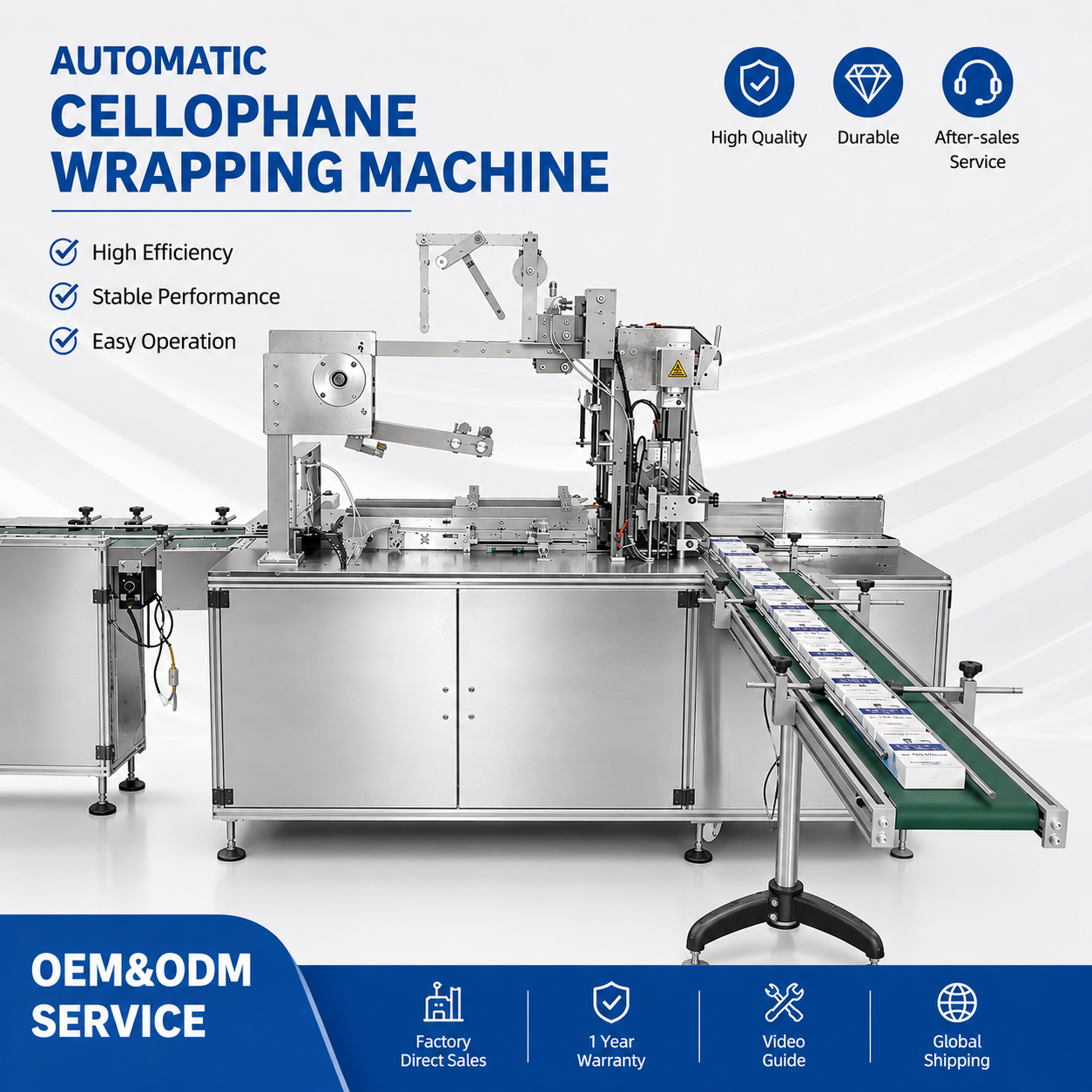
Pasirenkant tinkamą automatinis celiuloido vyniojimo mašina yra tai, kad teisingos įrangos pasirinkimas svarstomas dėl jo didelės operacinės ir finansinės reikšmės. Ar supakuojate kosmetikos gaminius, maisto produktus, vaistus, dovanų dėžutes ar vartojimo prekes – įdiegta supakavimo įranga tiesiogiai paveiks jūsų gamybos našumą, pakavimo kokybę, medžiagų sąnaudas ir ilgalaikes techninės priežiūros išlaidas. Šiandien rinkoje yra tiek daug įvairių konfigūracijų, greičių ir funkcijų, todėl būna lengva pasijusti perkrautam bandant parinkti įrangą, atitinkančią jūsų konkrečią gamybinę aplinką.
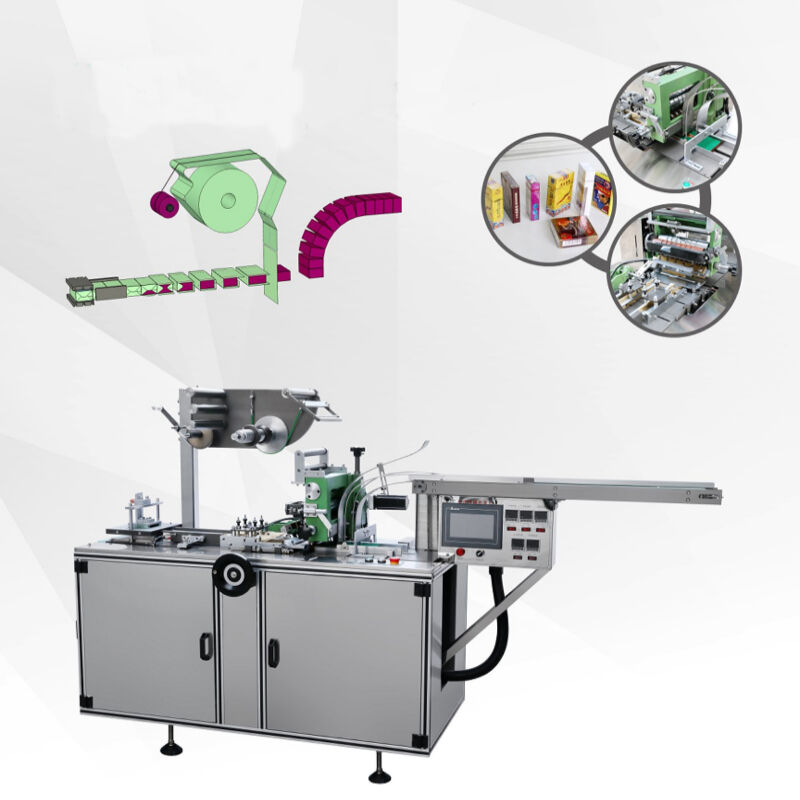
Gerasis naujienos yra teisingos automatinė celiofano supakavimo mašina tampa daug valdomesniu procesu, kai jį suskaidote į aiškius vertinimo kriterijus. Ši instrukcija paeiliui supažindina su pagrindiniais techniniais, operaciniais ir komerciniais veiksniais, kuriuos kiekvienas gamyklos vadovas arba pirkimų specialistas turi įvertinti prieš priimdami sprendimą dėl įsigijimo. Baigę skaityti, turėsite struktūrizuotą sistemą, kuria remdamiesi galėsite tikrai įvertinti savo pasirinkimus ir išvengti brangios nesuderinamumo tarp jūsų gamybos poreikių ir įrangos galimybių.
Kaip veikia automatinė celiofano vyniojimo mašina
Celiofano vyniojimo pagrindinis mechanizmas
- Ne. automatinė celiofano supakavimo mašina yra pakuotės sistema, skirta vynioti produktus ar dėžutes į skaidrią termoplastinę plėvelę, dažniausiai orientuotą polipropilėną (OPP) arba regeneruotą celiuliozės plėvelę, naudojant šilumos sandarinimo technologiją. Mašina įveda produktą į lankstymo mechanizmą, glaudžiai apvynioja jį plėvele ir naudoja įkaitintus elementus, kad suvirintų vienas ant kito uždengiamus kraštus, gaunant švarų ir skaidrų paviršių.
Rezultatas yra profesionaliai supakuota pakuotė, kuri užtikrina netekimo požymius, drėgmės atsparumą ir patrauklią vizualinę išvaizdą. Toks supakavimas ypač dažnai naudojamas kosmetikos, tabako, garso ir vaizdo priemonių, maisto pakuotės bei prabangios dovanų dėžučių pramonėje. Šio pagrindinio mechanizmo supratimas yra svarbus, nes jis padeda įvertinti, ar nagrinėjama įranga gali apdoroti jūsų konkrečios formos produktus, plėvelės tipą ir reikiamą gamybos našumą.
Moderni automatiniai celiofano supakavimo įrenginiai papildomai įrengti servoriniais perduodamais konvejeriais, PLC valdymo sistemomis ir lietukais valdomais ekranais, kurie leidžia operatoriams greitai keisti formatą. Šių įrenginių automatizacijos lygis žymiai skiriasi, todėl vienas pirmųjų sprendimų, kurį reikia priimti, yra suprasti, kokio automatizacijos lygio tikrai reikia jūsų gamykloje.
Pagrindiniai pusiau automatinės ir visiškai automatinės modelių skirtumai
Pusiau automatinė celiofano supakavimo mašinos versija reikalauja rankinio produktų įkrovimo ir paprastai tinka mažo ar vidutinio pajėgumo gamybos procesams arba mažoms gamyklos įmonėms su ribotais biudžetais. Visiškai automatinė celiofano supakavimo mašina , kita vertus, integruoja visą procesą – produktų tiekimą, plėvelės apvyniojimą, sandarinimą ir išvestį – be nuolatinės rankinės įsikišimo būtinybės.
Didelės našumo gamyklose visiškai automatinė sistema beveik visada yra geresnė investicija. Darbo sąnaudų sumažėjimas, supakavimo kokybės vientisumas ir žymiai didesnis išvesties greitis pateisina didesnes pradines kapitalines sąnaudas. Tačiau jei jūsų gamybos ciklai trumpi ir dažnai keičiami produktai, pusiau automatinė sistema su lengvais įrankių keitimo mechanizmais gali suteikti didesnės operacinės lankstumo už mažesnę kainą.
Prieš pasirenkant kurį nors iš šių dviejų kategorijų, turėtumėte įvertinti savo kasdienį pakavimo apimtį, suskaičiuoti, kiek SKUs per dieną apdorojate, ir įvertinti, kaip dažnai tikėtina, kad keisis jūsų gaminių matmenys. Tik šie trys rodikliai padės nustatyti, ar visiškai automatinė celiofano supakavimo mašina ar pusiau automatinis įrenginys yra tinkamas jūsų gamyklos gamybos linijai.
Gamybos našumo ir išvesties reikalavimų vertinimas
Įrenginio našumo pritaikymas prie jūsų gamybos linijos
Vienas svarbiausių techninių parametrų, renkantis automatinė celiofano supakavimo mašina yra vyniojimo našumas, paprastai išreiškiamas vienetų per minutę arba dėžių per minutę skaičiumi. Šiandien rinkoje esančių įrenginių našumas svyruoja nuo maždaug 20 vienetų per minutę mažosios apimties operacijoms iki 200 ar daugiau vienetų per minutę aukšto našumo pramoninėms linijoms. Per lėto įrenginio pasirinkimas sukurs spindulio tašką gamybos linijoje, o žymiai greitesnio nei jūsų viršutinės ir apatinės grandinės įrangos įrenginio pasirinkimas reikštų, kad mokate už neveikiančią galios talpą.
Teisingas požiūris – visą pakavimo liniją suplanuoti ir nustatyti našumą kiekviename etape. automatinė celiofano supakavimo mašina pasirinktinas įrenginys turi būti pajėgus atitikti į jį tiekiamoje stotyje gaminamą produkcijos kiekį, kad nebūtų nei eilės, nei trūkumo. Praktikoje dažniausiai rekomenduojama pasirinkti įrenginį, kurio našumas būtų apie 15–20 procentų didesnis už dabartinį maksimalų poreikį, kad būtų galima padidinti gamybą ir kompensuoti kitose linijos vietose kartais įvykstančius sulėtėjimus.
Taip pat turėtumėte įvertinti pametų grafiką. Jei jūsų gamykla veikia dviem ar trimis pametomis per parą, įrenginys turės ilgą laiką veikti nuolatine apkrova. Visada įsitikinkite, kad gamintojo nurodytos našumo reikšmės atitinka nuolatinį veikimo našumą, o ne maksimalų ar trumpalaikį našumą, kuris dažnai matuojamas tik trumpais intervalais idealiomis sąlygomis.
Plėvelės padavimo sistema ir medžiagų suderinamumas
Plėvelės padavimo sistema viduje automatinė celiofano supakavimo mašina yra tai, kas galiausiai nulemia tiek apvyniojimo greitį, tiek baigtojo apvyniojimo kokybę. Dauguma šiuolaikinių įrenginių naudoja pastovaus įtempimo plėvelės padavimo mechanizmą, kuris kompensuoja ritulio skersmens pokyčius, kai plėvelė sunaudojama. Tai užtikrina nuolatinį plėvelės įtempimą visą ritulio tarnavimo laiką ir neleidžia plėvelei plyšti, raukšlėtis arba netolygiai užsandrinti.
Turite patvirtinti, kad įrenginys, kurį vertinate, suderinamas su konkrečia plėvelės rūšimi ir storiu, kurie reikalingi jūsų produktams. OPP plėvelė ir tikroji atgauta celiofano plėvelė turi skirtingas šiluminio sandarinimo temperatūras, išsitęsimo charakteristikas ir plyšimo stiprumą. Įrenginys, automatinė celiofano supakavimo mašina kalibruotas OPP plėvelei, gali neduoti optimalių rezultatų naudojant atgautą celiofano plėvelę be reguliavimo ir atvirkščiai. Visada prašykite bandymo apvyniojimo su savo tikrąja plėvele ir produktu prieš galutinai sudarydami bet kokį pirkimo susitarimą.
Vertinant produkto dydžio diapazoną ir formatų keitimo lankstumą
Suprantant dydžio diapazono technines charakteristikas
Kiekvienas automatinė celiofano supakavimo mašina yra sukurtas remiantis apibrėžtu gaminių matmenų diapazonu, kurį jis gali priimti. Paprastai tai aprašoma kaip ilgio, pločio ir aukščio diapazonų derinys. Jei jūsų gamykla gamina vieną standartinį produktą, kuris patogiai tilpsta į konkrečią matmenų ribą, šis kriterijus yra paprastas. Tačiau jei jūsų įmonė supakuojama kelių SKUs su skirtingais dėžių dydžiais, svarbu pasirinkti įrenginį su tinkamu matmenų diapazonu.
Turite surinkti tikslų visų produktų, kurie bus perduodami per įrenginį, matmenis – įskaitant bet kokius sezoninius pakuotės variantus ar planuojamas ateities produktų eilutes – ir patikrinti, ar visi jie patenka į įrenginio veikimo ribas. Bandymas perduoti produktus arti įrenginio matmenų ribų dažnai lemia prastesnę apvyniojimo kokybę, padidėjusį plėvelės sąnaudas ir greitesnį mechaninį nusidėvėjimą.
- Ne. automatinė celiofano supakavimo mašina platus dydžių diapazonas paprastai suteikia daugiau lankstumo būsimam produktų kūrimui. Tačiau labai platūs diapazonai gali paaukoti tikslumą konkrečiais dydžiais, ypač mažesniuose diapazono galuose. Šio kompromiso supratimas yra svarbus, kurdami savo atrankos kriterijus.
Formato keitimo laikas ir įrankių reikalavimai
Gamyklose, kuriose gaminami kelių dydžių produktai, formato keitimo laikas yra paslėptas našumo kaštas, kurį daugelis pirkėjų nepakankamai įvertina. Kiekvieną kartą, kai perjungiamasi nuo vieno dėžės dydžio vyniojimo prie kito, įrenginys turi būti sureguliuotas ir, prireikus, pakeisti jo komponentai. Formatų keitimo metu praleistas laikas – tai laikas, kurio metu įrenginys negamina produkto.
Moderni automatiniai celiofano supakavimo įrenginiai vis dažniau siūlo įrankių nereikalaujančius arba greitai atsijungiančius keitimo sistemas, kuriose dydžio reguliavimai atliekami rankos ratukais ir saugomais formatų parametrais, o ne fizinių įrankių keitimais. Šios savybės radikaliai sumažina keitimo laiką – nuo galimų 30–60 minučių iki mažiau nei 10 minučių. Jei jūsų gamykloje per dieną gaminama daugiau nei du ar trys skirtingi gaminio dydžiai, vien ši savybė gali pateisinti brangesnio, sudėtingesnio modelio kainos skirtumą.
Paprašykite tiekėjo demonstruoti realų keitimą jūsų vertinimo vizito metu arba vaizdo įrašas skambinkite. Stebėkite, kiek žingsnių tai reikalauja, ar reikalingi specialūs įrankiai ir ar procesą turi atlikti aukštos kvalifikacijos technikas, ar tai gali padaryti apmokyta operatoriaus. Šis praktinis stebėjimas jums pasakys daugiau nei bet kuri techninė specifikacija apie tikrąją mašinos eksploatavimo sąnaudų kainą jūsų konkrečioje aplinkoje.
Statybos kokybės, valdymo sistemų ir popardavimo aptarnavimo vertinimas
Mechaninės statybos kokybė ir ilgalaikė patikimumas
Mechaninės konstrukcijos kokybė automatinė celiofano supakavimo mašina yra tiesioginis jos ilgalaikės patikimumo ir bendros eksploatacijos sąnaudų rodiklis. Pagrindiniai konstrukcijos kokybės rodikliai apima plieno rūšį, naudojamą konstrukcijoje, guolių ir varomųjų komponentų kokybę, šildymo elementų patikimumą bei elektros laidų ir korpusų kokybę.
Ypač dėmesio reikia kreipti į sandarinimo sistemą, kuri yra dažniausiai dėl dilimo susidėvinti esantis komponentas automatinė celiofano supakavimo mašina . Sandarinimo juostos ir jų šildymo elementai turi palaikyti nuolatinę temperatūrą visoje juostos ilgio dalyje per tūkstančius ciklų kasdien. Mažesnės kokybės šildymo elementus naudojančios mašinos parodys temperatūros svyravimus visoje sandarinimo juostoje, dėl ko kils nevienodas sandarinimo kokybės lygis ir dažnesnis šildymo elementų keitimas.
Paprašykite informacijos apie vidutinį laiką tarp gedimų (MTBF) kritiniams komponentams ir paprašykite tiekėjo pateikti duomenis apie rekomenduojamus profilaktinės priežiūros intervalus. Aukštos kokybės automatinė celiofano supakavimo mašina patikrinto gamintojo turėtų turėti aiškiai dokumentuotus techninės priežiūros grafikus ir lengvai įsigyjamus atsarginius detales.
Valdymo sistema, sąsaja ir integravimo galimybė
Šiuolaikinės automatinė celiofano supakavimo mašina valdymo sistema yra visos veiklos nervų centras. PLC pagrindu veikiančios valdymo sistemos, sujungtos su spalvotomis liesti screen HMI skydeliais, leidžia operatoriams saugoti ir iškviesti produktų receptūras, stebėti realiuoju laiku gaminamą produkciją ir diagnozuoti gedimus be techniko kvietimo. Šio lygio valdymo automatizavimas žymiai sumažina operatorių mokymo laiką ir mažina gamybos klaidas.
Jei jūsų gamykloje veikia platesnės gamybos linijos valdymo sistema arba įmonės išteklių planavimo (ERP) programinė įranga, įvertinkite, ar įranga turi jungimosi galimybes, pvz., Ethernet, OPC-UA ar kitus pramoninius ryšio protokolus. Galimybė integruoti jūsų automatinė celiofano supakavimo mašina į susietos gamyklos aplinką gali suteikti vertingų realiuoju laiku gaunamų gamybos duomenų ir leisti prognozuoti techninės priežiūros grafikus.
Po pardavimo palaikymas taip pat yra vienodai svarbus. Patikrinkite, ar tiekėjas siūlo nuotolinės diagnostikos galimybę, operatyvias techninės palaikymo paslaugas ir aiškų rezervinių dalių tiekimo įsipareigojimą. Gerai nustatyta automatinė celiofano supakavimo mašina iš tiekėjo, kurio po pardavimo infrastruktūra yra nepakankama, vis tiek gali sukelti nepriimtiną prastovą, jei sugenda kritinė komponentė ir keitimo detalės atvyksta tik po kelių savaičių.
Bendrosios naudojimo sąnaudos ir grąžos nuo investicijų analizė
Žvelgiant plačiau nei tik į pirkimo kainą
Daugelis gamyklinių pirkėjų vertindami automatinė celiofano supakavimo mašina pagrindinis dėmesys sutelkiamas tik į pradinę pirkimo kainą, tačiau tai yra tik viena iš tikrųjų bendrosios naudojimo sąnaudų sudedamųjų dalių. Energijos suvartojimas, plėvelės š waste normos, rezervinių dalių kainos, techninės priežiūros darbo užmokestis bei galimos prastovų sąnaudos kaupiasi per visą įrenginio eksploatacijos laikotarpį ir gali esminiu būdu pakeisti jūsų pirkimo sprendimo ekonominę naudingumą.
Žemesnės kainos automatinė celiofano supakavimo mašina kuris per ciklą sunaudoja 20 procentų daugiau plėvelės nei brangesnis alternatyvus sprendimas, gali lengvai anuliuoti pradinį kainos pranašumą jau pirmaisiais eksploatacijos metais, ypač jei jūsų gamybos apimtys yra didelės. Panašiai, įranga, kurios reikalaujama dažnesnės techninės priežiūros ar kuri turi brangius patentuotus atsuklos dalis, gali greitai tapti brangesnė už aukštesnės klasės įrangą su standartinėmis ir lengvai prieinamomis komponentais.
Prieš galutinai pasirenkant įrangą, sudarykite paprastą penkerių metų kaštų modelį. Į jį įtraukite įsigijimo kainą, įvertintus energijos kaštus, numatomą plėvelės sunaudojimą vienam gaminiamam vienetui, planuojamus atsuklos dalių kaštus, įvertintas techninės priežiūros valandas ir konservatyvų įvertinimą potencialių prastovų kaštų už vieną valandą. Šis modelis suteiks žymiai tikresnę nuomonę apie tai, kuri įranga automatinė celiofano supakavimo mašina iš tikrųjų atstovauja geriausią vertę jūsų konkrečiai gamybos aplinkai.
Jūsų investicijos grąžinimo laikotarpio apskaičiavimas
Naudingas orientyrinis rodiklis, teisinant kapitalinę investiciją į automatinė celiofano supakavimo mašina yra atsipirkimo laikotarpis — laikas, per kurį įrenginio sukurti našumo padidėjimai ir sąnaudų sumažėjimai lygūs pradinei investicijai. Daugumai vidutinio ir didelio apimčių pakavimo operacijų visiškai automatinėms įrangoms priimtinas atsipirkimo laikotarpis yra 12–24 mėnesiai.
Norėdami tai apskaičiuoti, įvertinkite darbo jėgos sąnaudų taupymą dėl mažesnio rankinio vyniojimo personalo skaičiaus, kokybės sąnaudų taupymą dėl mažesnio nepriimtų arba perdirbti reikiančių pakučių skaičiaus bei bet kokius gamybos pajėgumų padidėjimus, kurie verčiami papildomais pajamomis. Iš šių naudingų efektų atimkite nuolatines eksploatacijos sąnaudas, kad gautumėte metinį grynąjį naudingumą, tada padalinkite bendrą investicijos sumą iš šios vertės, kad nustatytumėte atsipirkimo laikotarpį savo pasirinktam automatinė celiofano supakavimo mašina .
Gamyklos, kurios keičia pusiau automatinę arba rankinę vyniojimo įrangą į visiškai automatinė celiofano supakavimo mašina dažniausiai matoma trumpiausia grąžinimo trukmė, dažnai žymiai trumpesnė nei 18 mėnesių, dėl didelės darbo jėgos sąnaudų skirtumo. Įmonės, kurios modernizuoja vieną automatinę sistemą pakeisdamos ją naujesne ir greitesne modeliu, dažniausiai patiria ilgesnę grąžinimo trukmę, kurią lemia daugiausia našumo ir kokybės pagerinimai, o ne darbo jėgos sumažinimas.
Dažniausiai užduodami klausimai
Kurios pramonės šakos dažniausiai naudoja automatinį celiuloido vyniojimo įrenginį?
- Ne. automatinė celiofano supakavimo mašina plačiai naudojamas kosmetikos, farmacijos, maisto pakuotėms, dovanų dėžutėms, žaidimų kortoms, programinės įrangos dėžutėms, tabako reikmenims ir vartotojų elektronikos pakuotėms. Bet kokia pramonės šaka, kurioje reikia permatomos, nesuklastojamos ir profesionaliai atrodančios išorinės apvyniojimo medžiagos standžioms ar pusiau standžioms dėžutėms arba gaminiams, yra puiki šio tipo įrangos naudojimo kandidatė.
Kaip sužinoti, ar mano gaminiai tinka celiuloido vyniojimui?
Gaminiai, kurie labiausiai tinka apdorojimui per automatinė celiofano supakavimo mašina tai tie, kurių matmenys yra nuolatiniai, struktūra standi arba pusiau standi, o paviršiai gali atlaikyti šilumos poveikį, kuris susijęs su plėvelės sandarinimu. Labai netinkamos formos, labai šilumai jautrios medžiagos arba produktai, kurių matmenys labai svyruoja, gali reikėti specialių konfigūracijų ar kitų supakuojamųjų metodų.
Koks yra tipiškas automatinio celofano vyniojimo mašinos techninės priežiūros grafikas?
Daugelis gamintojų rekomenduoja kasdien tikrinti sandarinimo juostas ir plėvelės padavimo sistemą, kas savaitę tepinti pagrindinius mechaninius komponentus ir kas mėnesį tikrinti variklio sistemą bei elektrines jungtis. Konkrečios bet kurios automatinė celiofano supakavimo mašina techninės priežiūros grafikas turi būti išsamiai nurodytas gamintojo dokumentuose ir tiksliai laikomasis, kad būtų išvengta per ankstyvo ausimo ir neišplanuotos sustabdymo.
Ar automatinė celofano vyniojimo mašina gali apdoroti kelis produktų dydžius be papildomų įrankių įsigijimo?
Daugelis šiuolaikinių automatinė celiofano supakavimo mašina modeliai sukurti su reguliuojamomis vedamosiomis bėgelėmis ir elektroniniu būdu valdomais matmenų parametrais, todėl jie gali priimti įvairių dydžių gaminius be fizinių įrankių keitimo. Tačiau kiekvieno modelio matmenų reguliavimo diapazonas skiriasi žymiai, o gaminiams, kurie išeina už mašinos pagrindinio reguliavimo diapazono ribų, vis tiek gali reikėti papildomų įrankių ar vedamųjų rinkinių. Prieš perkant visada patikrinkite matmenų lankstumo technines charakteristikas prieš savo visą gaminių asortimentą.
Turinys
- Kaip veikia automatinė celiofano vyniojimo mašina
- Gamybos našumo ir išvesties reikalavimų vertinimas
- Vertinant produkto dydžio diapazoną ir formatų keitimo lankstumą
- Statybos kokybės, valdymo sistemų ir popardavimo aptarnavimo vertinimas
- Bendrosios naudojimo sąnaudos ir grąžos nuo investicijų analizė
-
Dažniausiai užduodami klausimai
- Kurios pramonės šakos dažniausiai naudoja automatinį celiuloido vyniojimo įrenginį?
- Kaip sužinoti, ar mano gaminiai tinka celiuloido vyniojimui?
- Koks yra tipiškas automatinio celofano vyniojimo mašinos techninės priežiūros grafikas?
- Ar automatinė celofano vyniojimo mašina gali apdoroti kelis produktų dydžius be papildomų įrankių įsigijimo?