
 EN
EN


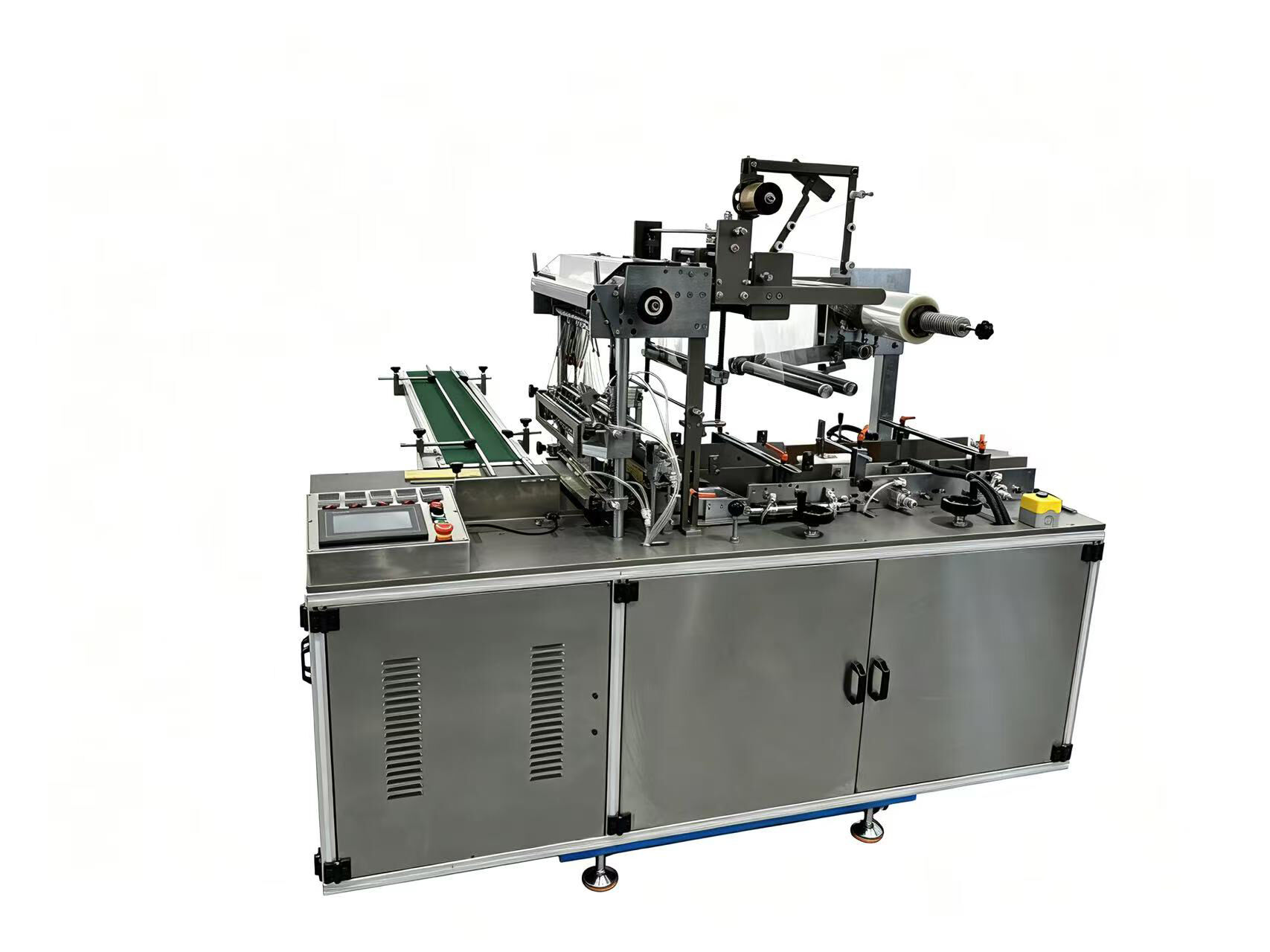
Gdy chodzi o zautomatyzowaną pakowanie w środowiskach przemysłowych i komercyjnych, nie każde przedsiębiorstwo pracuje z tymi samymi wymiarami produktów, rodzajami materiałów ani wymaganiami dotyczącymi wydajności. Uniwersalne podejście do maszyny owijającej maszyna do opakowywania często prowadzi do kompromisów — kompromisów pod względem prędkości, efektywności zużycia materiałów, możliwości integracji oraz długotrwałej niezawodności. Niestandardowe rozwiązania maszyn owijających zostały stworzone właśnie po to, aby wyeliminować te kompromisy, zapewniając przedsiębiorstwom system pakowania zaprojektowany tak, by spełniał ich konkretne wymagania operacyjne od pierwszego dnia użytkowania.
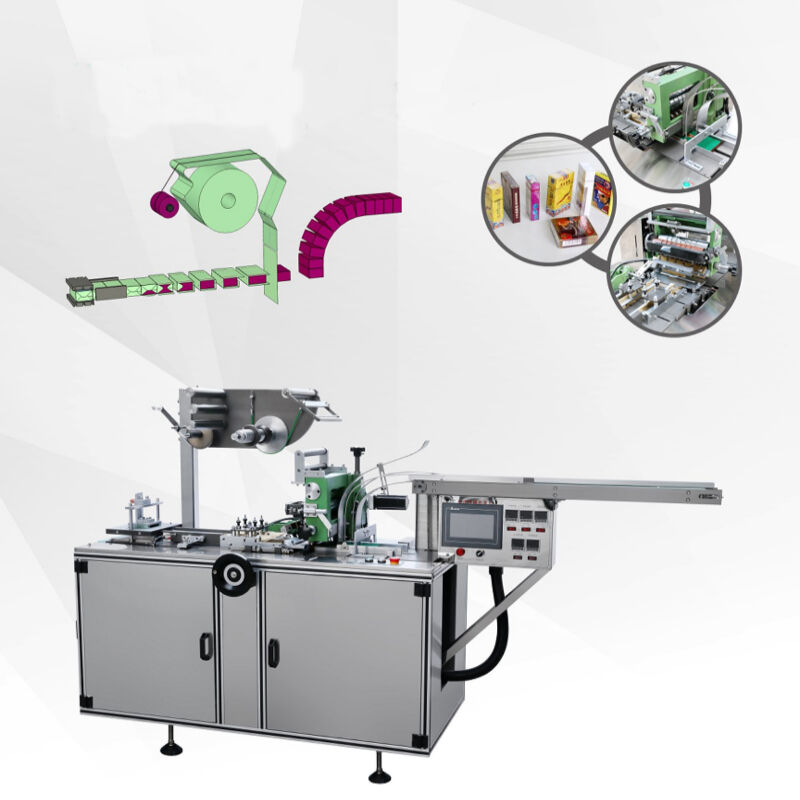
Zalety wyboru maszyny owijającej wykonanej na zamówienie wykraczają daleko poza estetykę czy powierzchowną elastyczność. Dotyczą one każdego aspektu operacji pakowania — od sposobu obsługi surowej folii po sposób rozładowywania, inspekcji i transportu gotowych produktów w dalszym ciągu linii produkcyjnej. Zrozumienie tych zalet w konkretny, praktyczny sposób jest kluczowe dla każdego menedżera zakupów, inżyniera zakładu lub właściciela firmy oceniającego kolejną inwestycję w zakresie pakowania. W niniejszym artykule szczegółowo wyjaśniono, dlaczego rozwiązania z maszynami owijającymi wykonanymi na zamówienie systematycznie przewyższają alternatywy gotowe pod względem kluczowych wskaźników wydajności.
Dokładne dopasowanie do asortymentu produktów
Projektowane z uwzględnieniem rzeczywistych produktów
Maszyna do owijania zaprojektowana na zamówienie jest opracowywana z uwzględnieniem konkretnych wymiarów, masy oraz cech powierzchniowych Twoich produktów jako kluczowego elementu jej projektu. Maszyny standardowe są projektowane w oparciu o uogólnione kategorie produktów, co oznacza, że mogą obsługiwać Twoje artykuły w sposób wystarczający, lecz rzadko optymalny. Gdy maszyna do owijania jest zaprojektowana specjalnie dla Twoich produktów, każdy parametr mechaniczny — w tym napięcie folii, geometria składania, odstęp taśmy transportowej oraz temperatura zgrzewania — jest kalibrowany w celu osiągnięcia maksymalnej spójności i minimalizacji odpadów.
Taki poziom precyzji ma ogromne znaczenie w takich branżach jak farmacja, kosmetologia, opakowania żywnościowe oraz produkcja artykułów prezentowych, gdzie nawet niewielkie odchylenia w wyglądzie owinięcia lub integralności zabezpieczenia mogą wpływać na jakość produktu lub zgodność z przepisami. Maszyna do owijania zaprojektowana na zamówienie eliminuje niepewność wynikającą z adaptacji standardowej maszyny do niestandardowych produktów. Wynikiem jest wydajność pakowania spełniająca określone parametry przy każdym cyklu, a nie tylko w większości przypadków.
Ponadto, gdy zakres oferowanych produktów ulega zmianie — np. wprowadzane są nowe jednostki SKU, wersje sezonowe lub zmieniane są projekty opakowań — maszyna do owijania zaprojektowana na zamówienie może zostać od początku wyposażona w regulowane narzędzia lub modułowe funkcje szybkiej wymiany, dzięki czemu przejścia między różnymi typami produktów odbywają się szybciej i z mniejszym zakłóceniem procesu produkcyjnego. Tego rodzaju zaprojektowane z wyprzedzeniem rozwiązania rzadko dostępne są w maszynach standardowych z katalogu.
Dostosowanie do nieregularnych lub wrażliwych przedmiotów
Nie każdy produkt wprowadzany do maszyny owijającej ma jednolity kształt prostokąta. Przedmioty delikatne, produkty wieloskładnikowe, towary miękkie oraz obiekty o nieregularnym kształcie stwarzają wyzwania związane z ich obsługą, z którymi standardowa maszyna owijająca może mieć trudności. Rozwiązania dostosowane pozwalają inżynierom zaprojektować specjalne mechanizmy wprowadzania, systemy transportowe działające bez kontaktu lub z niewielkim naciskiem oraz funkcje stabilizacji produktów, które chronią je w całym cyklu owijania.
Dla producentów towarów luksusowych, delikatnej elektroniki lub premiumowych produktów spożywczych taka ochrona nie jest opcjonalna – stanowi podstawowy wymóg jakości. Maszyna owijająca zaprojektowana na zamówienie spełnia te wymagania na poziomie inżynieryjnym, zapewniając, że profile ruchu maszyny, ustawienia ciśnienia oraz metody nakładania folii zastosowanie są dokładnie dopasowane do konkretnego produktu, aby uniknąć jego uszkodzenia lub odkształcenia.
Integracja z istniejącą linią produkcyjną
Bezproblemowe połączenie z urządzeniami poprzedzającymi i następnymi
Jedną z najważniejszych praktycznych zalet maszyny do owijania wykonanej na zamówienie jest jej zdolność do bezproblemowej integracji z istniejącą już infrastrukturą produkcyjną. Maszyny standardowe są wyposażone w stałe wysokości taśm transportujących wejściowych i wyjściowych, stałe normy elektryczne oraz stałe protokoły komunikacji. Gdy nie są one zgodne z istniejącą linią produkcyjną, integracja staje się kosztownym i czasochłonnym projektem inżynieryjnym, który często wprowadza nowe punkty awarii.
Maszyna do owijania wykonana na zamówienie jest natomiast zaprojektowana od samego początku tak, aby odpowiadała istniejącym wysokościom taśm transportujących, specyfikacjom zasilania elektrycznego, standardom komunikacji PLC oraz ograniczeniom związanych z fizycznym zajmowanym przez nią miejscem. Oznacza to szybszą instalację, płynniejsze uruchomienie oraz znaczne zmniejszenie ryzyka kosztownych modyfikacji sprzętu otaczającego. Maszyna do owijania staje się naturalnym przedłużeniem linii produkcyjnej, a nie niewygodnym dodatkiem przytwierdzonym jako myśl po fakcie.
Możliwości integracji obejmują również wymianę danych. Nowoczesne środowiska produkcyjne coraz częściej opierają się na zbieraniu danych w skali całej linii do monitorowania wskaźnika OEE, śledzenia jakości oraz planowania produkcji. Maszynę do owijania można zaprojektować zgodnie z indywidualnymi wymaganiami, wyposażając ją w odpowiednie interfejsy komunikacyjne — niezależnie od tego, czy chodzi o EtherNet/IP, PROFIBUS czy własny protokół fabryczny — co zapewnia przekazywanie istotnych danych do istniejących systemów bez konieczności stosowania dodatkowego oprogramowania pośredniczącego lub niestandardowych rozwiązań ręcznych.
Powierzchnia zabudowy i optymalizacja układu
Powierzchnia na hali produkcyjnej zawsze jest ograniczona. Standardowe modele maszyn do owijania są produkowane w ustalonych wymiarach powierzchni zabudowy, które mogą nie odpowiadać dostępnym przestrzeniom lub preferowanemu kierunkowi przepływu produktu. Rozwiązania wykonane na zamówienie umożliwiają dopasowanie fizycznego układu maszyny do konkretnych warunków obiektu — w tym możliwość przyjęcia produktu od strony lewej lub prawej, zastosowania zwartych sekcji składania, obrócenia kierunku wyładunku oraz zoptymalizowania punktów dostępu dla operatora.
Ta elastyczność w projektowaniu układu oznacza, że niestandardowa maszyna owijająca może zostać zainstalowana w przestrzeni produkcyjnej, w której standardowy model po prostu nie zmieści się.
Wysoka wydajność i czas pracy w długim okresie
Zmniejszenie odpadów i zużycia folii
Koszt materiałów stanowi istotny, a często niedoszacowany składnik całkowitych kosztów opakowania. Maszyna owijająca zaprojektowana specjalnie pod konkretne wymiary Twoich produktów oraz określone parametry folii zużywa ją bardziej efektywnie niż standardowa maszyna obsługująca te same produkty. Dzieje się tak, ponieważ geometria ścieżki folii, kontrola napięcia oraz kolejność cięcia są zoptymalizowane dokładnie pod Twoje potrzeby, a nie pod ogólny zakres zastosowań.
W ciągu roku różnica w zużyciu folii między dobrze dostosowaną maszyną do owijania niestandardowego typu a uproszczoną maszyną standardową może być znaczna. W przypadku operacji o wysokim wolumenie, działających w wielu zmianach, nawet jedno- lub dwuprocentowe zmniejszenie odpadów folii w każdym cyklu przekłada się na istotne oszczędności kosztów oraz mierzalne poprawy wskaźników zrównoważoności działania.
Inżynieria niestandardowa umożliwia również precyzyjną kontrolę jakości uszczelnień, co redukuje liczbę odrzuconych opakowań i konieczność ich ponownej obróbki. Każde odrzucone opakowanie oznacza nie tylko marnowanie folii, ale także marnowanie pracy ludzkiej, czasu pracy maszyny oraz obsługi produktu. Maszyna do owijania zaprojektowana tak, aby od samego początku generować spójne i wysokiej jakości uszczelnienia, minimalizuje tę liczbę odrzutów.
Zaprojektowano z myślą o łatwości konserwacji i maksymalnym czasie gotowości do pracy
Maszynę do owijania zaprojektowaną na zamówienie można dostosować do umiejętności zespołu serwisowego oraz preferencji dotyczących części zamiennych. Oznacza to określenie marek komponentów, z którymi inżynierowie są już zapoznani, zaprojektowanie paneli dostępu i punktów serwisowych zgodnych z istniejącym procesem konserwacji oraz wdrożenie funkcji diagnostycznych, które przyspieszają i ułatwiają identyfikację usterek.
Standardowe maszyny są projektowane w oparciu o preferowany przez producenta ekosystem komponentów, który może nie być zgodny z tym, co zespół już posiada w magazynie lub serwisuje. Takie niezgodności mogą wydłużać średni czas naprawy oraz utrudniać zakup części zamiennych. Maszyna do owijania zaprojektowana na zamówienie eliminuje te problemy, dostosowując architekturę maszyny do rzeczywistości operacyjnej od samego początku.
Zaplanowane interwały konserwacji zapobiegawczej można również dostosować do harmonogramu produkcji. Inżynierowie mogą zaprojektować punkty smarowania maszyny owijającej, interwały wymiany zużywanych części oraz dostęp do inspekcji zgodnie z harmonogramem zmian i zaplanowanymi oknami postoju, maksymalizując czas pracy bez kompromisów w zakresie jakości konserwacji.
Skalowalność i gotowość na przyszłość
Zaprojektowana tak, aby rozwijać się wraz z Twoją firmą
Indywidualne rozwiązanie maszyny owijającej nie jest zaprojektowane wyłącznie z myślą o obecnych potrzebach — może zostać zaprojektowane również z uwzględnieniem przyszłych wymagań. Może to oznaczać zaprojektowanie ramy i układu napędowego maszyny tak, aby w przyszłości umożliwić montaż silniejszego silnika, wyprzedzenie okablowania paneli elektrycznych pod dodatkowe czujniki lub systemy odrzutu, bądź zaprojektowanie sekcji doprowadzania produktów tak, aby mogła przyjmować zautomatyzowany system doprowadzania produktów w momencie, gdy wzrost objętości uzasadni inwestycję.
Ta filozofia projektowania zapewniająca zgodność wsteczną oznacza, że w miarę rozrostu działalności lub poszerzania asortymentu produktów modernizujesz maszynę, a nie wymieniasz jej całkowicie. Ta różnica przekłada się na znaczne oszczędności kapitałowe w średnim i długim okresie. Standardowa maszyna do owijania osiąga zazwyczaj swoje limity eksploatacyjne dokładnie w momencie, gdy działalność wymaga większej wydajności, co wymusza pełny cykl wymiany.
Skalowalność dotyczy również elastyczności formatów. Jeśli planujesz wprowadzić nowe formaty opakowań lub wejść na nowe segmenty rynkowe, niestandardową maszynę do owijania można zaprojektować z systemami przełączania oraz zestawami narzędzi, które czynią te zmiany praktycznymi i komercyjnie uzasadnionymi, a nie niepoddającymi się realizacji ze względu na zbyt wysokie koszty.
Zgodność z przepisami i wymaganiami rynkowymi
Różne branże i rynki eksportowe stawiają różne wymagania wobec urządzeń do pakowania — czy chodzi o standardy higieniczne projektowania dla zastosowań kontaktujących się z żywnością, specyfikacje elektryczne odporności na wybuch w środowiskach przetwarzania chemicznego, czy też konkretne wymagania dotyczące zabezpieczeń bezpieczeństwa obowiązujące na określonych rynkach regionalnych. Maszynę do owijania można zaprojektować na zamówienie tak, aby spełniała te wymagania z maksymalną precyzją, bez konieczności kosztownej i skomplikowanej modernizacji standardowej maszyny, która od początku nie została zaprojektowana z myślą o tych wymogach.
Dla firm działających w wielu środowiskach regulacyjnych elastyczność w zakresie zgodności nie jest luksusem — jest praktyczną koniecznością. Posiadanie maszyny do owijania, która w pełni spełnia konkretne normy obowiązujące w danej branży oraz na docelowych rynkach, chroni przed sankcjami regulacyjnymi, ułatwia dostęp do rynku oraz świadczy klientom i inspektorom audytującym, że operacja ta traktuje poważnie jakość i bezpieczeństwo.
Często zadawane pytania
W jaki sposób maszyna do owijania wykonana na zamówienie różni się od standardowego modelu gotowego do sprzedaży?
Maszyna do owijania wykonana na zamówienie jest zaprojektowana specjalnie z uwzględnieniem wymiarów produktu klienta, wielkości produkcji, układu obiektu oraz wymagań integracyjnych. Standardowy model został zaprojektowany z myślą o uogólnionych zastosowaniach i stałych specyfikacjach. Kluczowe różnice dotyczą precyzji, z jaką maszyna obsługuje konkretne produkty klienta, stopnia jej bezproblemowej integracji z istniejącą linią produkcyjną oraz efektywności zużycia folii i energii w całym okresie eksploatacji. Rozwiązania niestandardowe eliminują kompromisy wynikające z adaptacji standardowej maszyny do owijania do niestandardowego zastosowania.
Czy maszyna do owijania wykonana na zamówienie jest znacznie droższa niż standardowa?
Początkowy koszt kapitałowy niestandardowej maszyny owijającej może być wyższy niż koszt modelu standardowego z katalogu, ale takie porównanie rzadko oddaje pełny obraz ekonomiczny. Jeśli uwzględni się mniejsze zużycie folii, niższy odsetek odrzutów, szybszą integrację, krótszy czas przestoju oraz uniknięcie kosztownych modyfikacji sprzętu otaczającego, całkowity koszt posiadania niestandardowej maszyny owijającej jest często niższy w trzy- do pięcioletnim horyzoncie operacyjnym. Firmy z konkretnymi lub wymagającymi zastosowaniami często stwierdzają, że pozorna przewaga cenowa maszyny standardowej znika bardzo szybko po uwzględnieniu rzeczywistych nieefektywności w praktyce.
Jakie informacje są potrzebne do określenia rozwiązania z niestandardową maszyną owijającą?
Określenie niestandardowej maszyny do owijania zwykle wymaga szczegółowych informacji o asortymencie produktów — w tym ich wymiarów, masy, cech powierzchni oraz ewentualnych zagrożeń związanych z kruchością lub wrażliwością. Istotne są również dane dotyczące docelowej wydajności produkcji, dostępnej powierzchni podłogi, wysokości istniejących taśm transportujących, standardów zasilania elektrycznego oraz wszelkich obowiązujących wymogów prawnych. Im bardziej precyzyjne i kompleksowe będą te informacje, tym dokładniej można zaprojektować niestandardową maszynę do owijania, zapewniając jej optymalną wydajność od momentu wprowadzenia do eksploatacji.
Jak długo trwa dostawa niestandardowej maszyny do owijania po złożeniu zamówienia?
Czasy realizacji niestandardowej maszyny do owijania zależą od złożoności specyfikacji, aktualnego harmonogramu producenta oraz wymagań dotyczących pozyskania specjalistycznych komponentów. Ogólnie rzecz biorąc, projekty niestandardowych maszyn do owijania wymagają dłuższego czasu realizacji niż modele standardowe, ponieważ etapy inżynieryjne, produkcji i testów akceptacyjnych w zakładzie trwają dłużej w przypadku projektu dostosowanego do indywidualnych potrzeb. Współpraca z dostawcą w fazie określania specyfikacji oraz szybkie finalizowanie wymagań mogą pomóc zminimalizować opóźnienia i zapewnić terminową realizację projektu.
Spis treści
- Dokładne dopasowanie do asortymentu produktów
- Integracja z istniejącą linią produkcyjną
- Wysoka wydajność i czas pracy w długim okresie
- Skalowalność i gotowość na przyszłość
-
Często zadawane pytania
- W jaki sposób maszyna do owijania wykonana na zamówienie różni się od standardowego modelu gotowego do sprzedaży?
- Czy maszyna do owijania wykonana na zamówienie jest znacznie droższa niż standardowa?
- Jakie informacje są potrzebne do określenia rozwiązania z niestandardową maszyną owijającą?
- Jak długo trwa dostawa niestandardowej maszyny do owijania po złożeniu zamówienia?