
 EN
EN



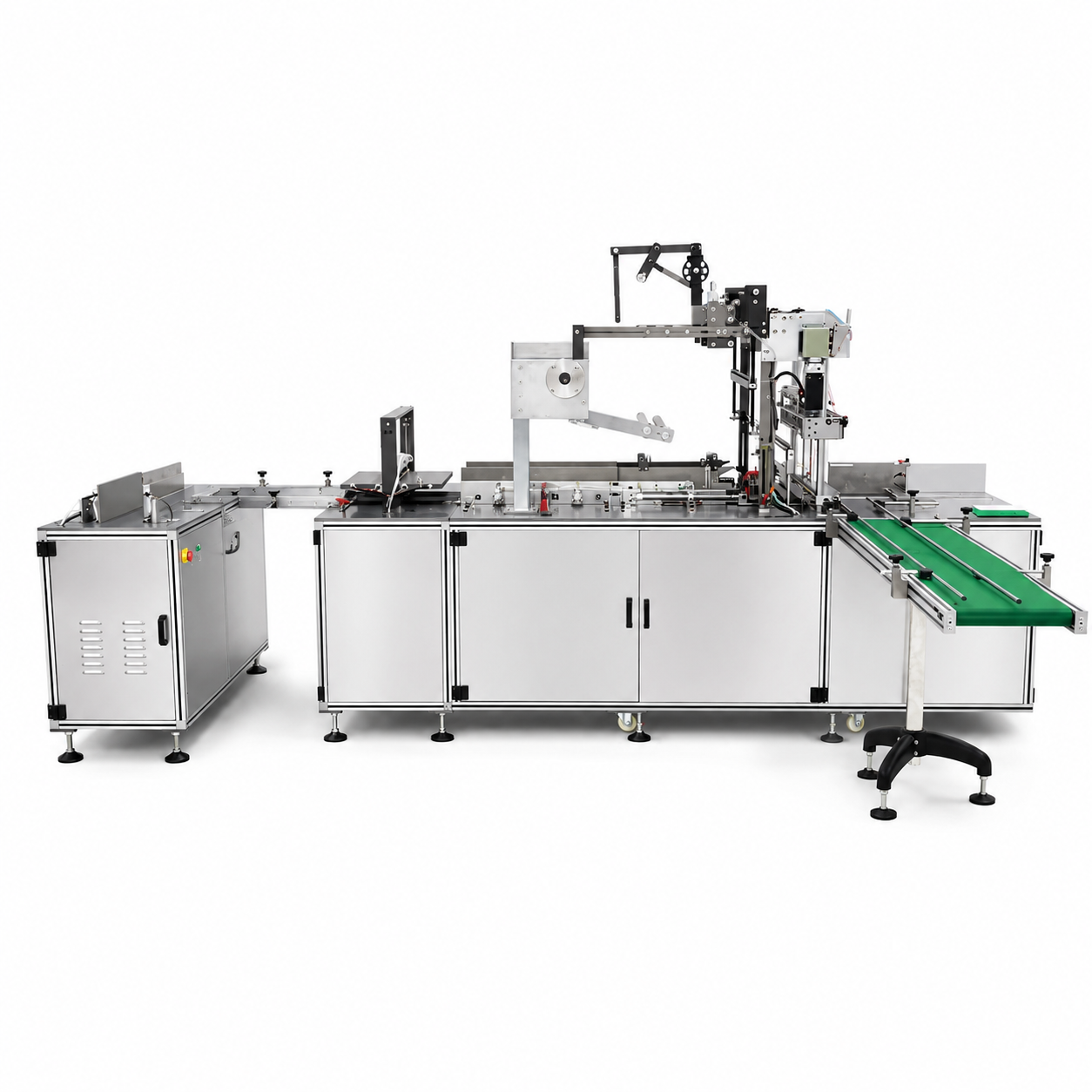
ในอุตสาหกรรมยาสูบที่มีการแข่งขันสูงมาก การบรรจุภัณฑ์นั้นไม่ใช่เพียงรายละเอียดเชิงรูปลักษณ์เท่านั้น แต่ยังเป็นแนวป้องกันที่สำคัญยิ่งต่อคุณภาพผลิตภัณฑ์ ความสอดคล้องตามข้อกำหนดด้านกฎระเบียบ และภาพลักษณ์ของแบรนด์อีกด้วย เครื่องห่อซองยาสูบ เครื่องห่อผลิตภัณฑ์ยาสูบ มีบทบาทสำคัญในการรับประกันว่าซองบุหรี่ กล่องซิการ์ หรือถุงบรรจุยาสูบทุกชิ้นจะถูกส่งถึงผู้บริโภคปลายทางในสภาพเดียวกับที่ออกจากสายการผลิตอย่างแม่นยำ หากปราศจากการปิดผนึกที่แม่นยำและสม่ำเสมอซึ่งอุปกรณ์นี้ให้ แม้แต่ส่วนผสมยาสูบที่ดีที่สุดก็อาจสูญเสียความชื้น เกิดการปนเปื้อน หรือได้รับความเสียหายทางกายภาพ — ซึ่งทั้งหมดนี้ล้วนลดทอนมูลค่าของผลิตภัณฑ์และความไว้วางใจของลูกค้า
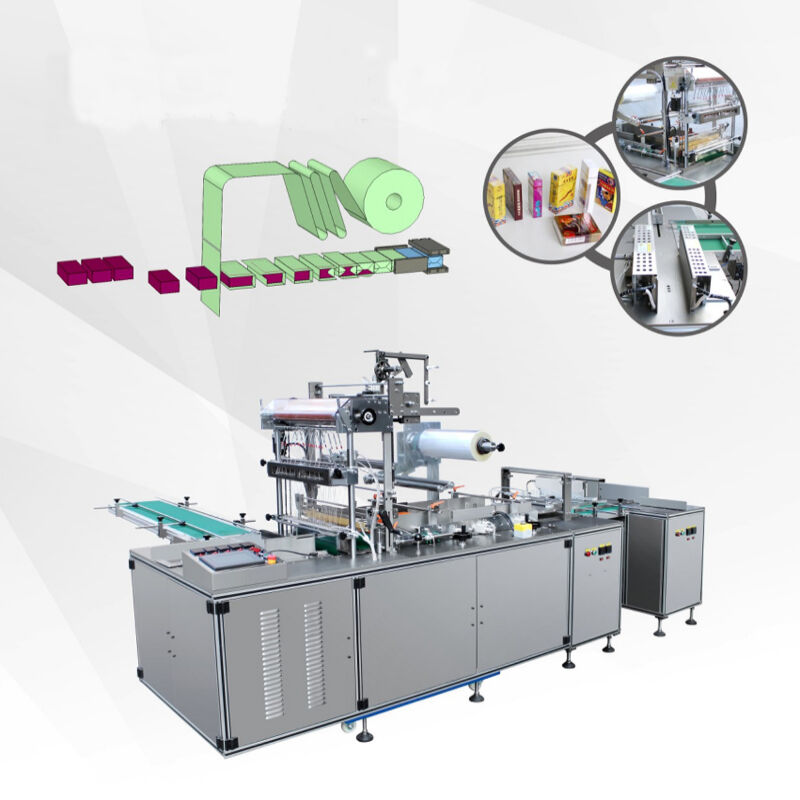
การเข้าใจว่าทำไมเครื่องห่อหุ้มผลิตภัณฑ์ยาสูบ (tobacco overwrapping machine) จึงมีความสำคัญต่อความสมบูรณ์ของผลิตภัณฑ์ จำเป็นต้องพิจารณาภาพรวมทั้งหมดของแนวคิด 'ความสมบูรณ์ของผลิตภัณฑ์' ในบริบทนี้อย่างละเอียด ซึ่งครอบคลุมถึงการรักษาความหอมของผลิตภัณฑ์ การป้องกันทางกายภาพ การแสดงหลักฐานว่าไม่มีการเปิดหรือดัดแปลงผลิตภัณฑ์ (tamper evidence) การยืดอายุการเก็บรักษาบนชั้นวางสินค้า (shelf-life extension) และการปฏิบัติตามมาตรฐานบรรจุภัณฑ์ที่แตกต่างกันไปในแต่ละตลาดทั่วโลก แต่ละมิติเหล่านี้ล้วนได้รับอิทธิพลโดยตรงจากคุณภาพและความแม่นยำของกระบวนการห่อหุ้มผลิตภัณฑ์ ทำให้เครื่องห่อหุ้มผลิตภัณฑ์ยาสูบไม่ใช่เครื่องมือเสริมรอง แต่เป็นส่วนประกอบหลักที่ขาดไม่ได้ในห่วงโซ่การผลิตและการบรรจุภัณฑ์
บทบาทของการห่อหุ้มในการรักษาคุณภาพยาสูบ
การควบคุมความชื้นและการรักษาความหอม
ยาสูบเป็นวัสดุที่มีคุณสมบัติดูดซับความชื้นตามธรรมชาติ หมายความว่ายาสูบสามารถดูดซับหรือปล่อยความชื้นออกได้อย่างรวดเร็วขึ้นอยู่กับสภาพแวดล้อมรอบตัว เมื่อผลิตภัณฑ์ยาสูบถูกสัมผัสกับสภาวะความชื้นที่เปลี่ยนแปลงระหว่างการจัดเก็บหรือการขนส่ง การเปลี่ยนแปลงของปริมาณความชื้นที่เกิดขึ้นอาจส่งผลอย่างมากต่อประสบการณ์การสูบบุหรี่ — ทำให้ผลิตภัณฑ์มีรสชาติเหมือนเก่า ระคายเคือง หรือไม่สอดคล้องกับโปรไฟล์ที่ผู้ผลิตตั้งใจไว้ เครื่องห่อหุ้มยาสูบจะใช้ฟิล์มบางๆ ที่ปิดผนึกแน่นรอบแต่ละซอง เพื่อทำหน้าที่เป็นเกราะป้องกันการแลกเปลี่ยนความชื้นอย่างมีการควบคุม
อุปสรรคในการกักเก็บความชื้นนี้ไม่ได้มีวัตถุประสงค์เพียงแค่รักษาผลิตภัณฑ์ให้แห้งเท่านั้น แต่ยังหมายถึงการคงระดับความชื้นที่ผู้ผลิตกำหนดไว้อย่างแม่นยำ เพื่อให้ได้รสชาติและคุณสมบัติการเผาไหม้ที่เหมาะสมที่สุด อุปกรณ์ห่อหุ้มภายนอก (overwrapping film) คุณภาพสูง เมื่อนำมาใช้ด้วยความแม่นยำที่เครื่องห่อหุ้มยาสูบเฉพาะทางสามารถให้ได้ จะสร้างสภาพแวดล้อมแบบปิดสนิทรอบแต่ละหน่วยผลิต ซึ่งช่วยรักษาสารประกอบกลิ่นหอมระเหยที่มีความไวต่อการสลายตัวในส่วนผสมของยาสูบ ทำให้ผลิตภัณฑ์ระดับพรีเมียมมีเอกลักษณ์เฉพาะตัวและดึงดูดผู้บริโภคอย่างมีประสิทธิภาพ
ความสม่ำเสมอของการปิดผนึกนี้มีความสำคัญอย่างยิ่ง การห่อหุ้มด้วยมือหรือระบบอัตโนมัติระดับต่ำกว่าจะก่อให้เกิดความแปรปรวน — บางบรรจุภัณฑ์อาจห่อแน่นเกินไป ในขณะที่บางบรรจุภัณฑ์อาจห่อลอยเกินไป และไม่มีบรรจุภัณฑ์ใดที่มีความสม่ำเสมอกับมาตรฐานที่ระบบประกันคุณภาพและผู้บริโภคคาดหวัง เครื่องห่อหุ้มยาสูบเฉพาะทางสามารถขจัดความแปรปรวนนี้ได้โดยการควบคุมแรงตึงและความร้อนอย่างแม่นยำสำหรับทุกหน่วยผลิต ด้วยอัตราความเร็วในการผลิตที่วิธีการแบบใช้มือไม่สามารถทำได้เลย
การป้องกันทางกายภาพตลอดห่วงโซ่อุปทาน
นอกเหนือจากความชื้นแล้ว ผลิตภัณฑ์ยาสูบยังต้องเผชิญกับแรงกดดันทางกายภาพตลอดห่วงโซ่อุปทานที่ซับซ้อน — แรงกดจากการจัดเรียงซ้อนกันในคลังสินค้า การสั่นสะเทือนระหว่างการขนส่ง และการจัดการโดยผู้มีส่วนร่วมหลายฝ่ายก่อนที่สินค้าจะถึงชั้นวางขายปลีก หากรอบบรรจุภัณฑ์ภายนอกไม่มีการป้องกันที่เหมาะสม ซองบุหรี่และกล่องซิการ์จะเสี่ยงต่อการบี้เบี้ยว ขอบชำรุด และรอยขีดข่วนบนพื้นผิว ซึ่งแม้ไม่จำเป็นต้องส่งผลกระทบโดยตรงต่อผลิตภัณฑ์ภายในเสมอไป แต่ก็สร้างภาพลักษณ์แรกที่ไม่น่าพึงพอใจ ทำให้มูลค่าที่รับรู้ของแบรนด์ยาสูบระดับพรีเมียมลดลง
เครื่องห่อหุ้มผลิตภัณฑ์ยาสูบด้วยฟิล์มจะเคลือบชั้นฟิล์มที่เสริมความแข็งแรงของโครงสร้างหน่วยบรรจุภัณฑ์ ฟิล์มนี้ช่วยยึดหีบห่อด้วยกันให้แน่นหนาภายใต้แรงกดภายนอก และให้การรองรับแบบเบาๆ ต่อแรงกระแทกเล็กน้อย สำหรับแบรนด์ยาสูบระดับพรีเมียมหรือแบรนด์เฉพาะทางที่ประสบการณ์การเปิดกล่องเป็นส่วนหนึ่งของคุณค่าเชิงกลยุทธ์ของผลิตภัณฑ์ ชั้นป้องกันนี้จึงไม่ใช่สิ่งที่สามารถละเลยได้ — แต่เป็นส่วนหนึ่งของคำมั่นสัญญาต่อแบรนด์ที่ส่งมอบถึงระดับผู้ค้าปลีก
ผิวเรียบตึงปราศจากรอยยับที่เกิดขึ้นจากเครื่องห่อหุ้มผลิตภัณฑ์ยาสูบด้วยฟิล์มที่ปรับเทียบอย่างแม่นยำยังสื่อสารไปยังผู้บริโภคและพันธมิตรผู้ค้าปลีกว่าผลิตภัณฑ์นั้นได้รับการจัดการด้วยความรอบคอบและมืออาชีพ ในทางตรงข้าม บรรจุภัณฑ์ที่มีรอยยับหรือห่อหุ้มอย่างหละหลวมจะสื่อถึงความไม่สม่ำเสมอ ซึ่งนำไปสู่คำถามเกี่ยวกับมาตรฐานการผลิตโดยรวม — นี่คือความเสี่ยงด้านภาพลักษณ์ที่แบรนด์ยาสูบชั้นนำใดๆ ก็ไม่สามารถยอมรับได้
การระบุการเปิดหีบห่อก่อนหน้าและการปฏิบัติตามข้อกำหนดด้านกฎระเบียบ
ความสำคัญของการปิดผนึกที่แสดงให้เห็นว่ามีการเปิดหีบห่อก่อนหน้า
สิ่งแวดล้อมด้านกฎระเบียบซึ่งควบคุมผลิตภัณฑ์ยาสูบได้เข้มงวดยิ่งขึ้นอย่างต่อเนื่องในตลาดหลักส่วนใหญ่ทั่วโลก รัฐบาลในยุโรป อเมริกาเหนือ เอเชีย-แปซิฟิก และภูมิภาคอื่นๆ กำหนดให้ใช้บรรจุภัณฑ์แบบป้องกันการเปิดแทรกแซง (tamper-evident packaging) หลายรูปแบบ เพื่อป้องกันการปลอมแปลง คุ้มครองผู้บริโภค และรับรองความสอดคล้องกับข้อกำหนดด้านอากรแสตมป์ ซึ่งเครื่องห่อหุ้มผลิตภัณฑ์ยาสูบ (tobacco overwrapping machine) ที่ผสานแถบฉีก (tear-tape) เข้ากับระบบโดยตรงสามารถตอบสนองความต้องการเหล่านี้ได้อย่างมีประสิทธิภาพ โดยให้สัญญาณที่มองเห็นได้ชัดเจนและเข้าใจง่ายว่า บรรจุภัณฑ์นั้นยังไม่ถูกเปิดหรือดัดแปลงมาก่อนการซื้อ
แถบฉีก (tear tape) ที่ฝังอยู่ภายในฟิล์มห่อหุ้มไม่ใช่เพียงคุณสมบัติที่เพิ่มความสะดวกสบายให้ผู้บริโภคเท่านั้น แต่ยังเป็นเครื่องมือสำคัญในการปฏิบัติตามข้อกำหนดด้านกฎระเบียบอีกด้วย หน่วยงานศุลกากรและหน่วยงานกำกับดูแลตลาดต่างๆ ได้เพิ่มความเข้มงวดในการตรวจสอบบรรจุภัณฑ์ยาสูบเพื่อให้มั่นใจว่ามีการระบุการเปิดแทรกแซงอย่างชัดเจน และผลิตภัณฑ์ใดๆ ที่ไม่ผ่านเกณฑ์มาตรฐานเหล่านี้อาจถูกกักไว้ที่ชายแดน ถูกปรับ หรือแม้แต่ถูกเรียกคืนจากช่องทางการขายปลีกทั้งหมด ดังนั้น การลงทุนในเครื่องห่อหุ้มผลิตภัณฑ์ยาสูบ (tobacco overwrapping machine) ที่สามารถติดตั้งแถบฉีกได้อย่างสม่ำเสมอ การประยุกต์ใช้ , ผู้ผลิตจึงสามารถป้องกันตนเองจากการไม่ปฏิบัติตามข้อกำหนดซึ่งอาจส่งผลให้เกิดค่าใช้จ่ายสูงอย่างยิ่ง
การปลอมแปลงเป็นปัญหาที่มีอยู่อย่างต่อเนื่องและทวีความรุนแรงมากขึ้นในการค้ายาสูบระดับโลก การห่อหุ้มภายนอกแบบแท้จริง ซึ่งดำเนินการโดยอุปกรณ์ระดับอุตสาหกรรมที่ได้มาตรฐานแท้จริง นั้นยากต่อการเลียนแบบมากกว่าองค์ประกอบของกล่องบรรจุภัณฑ์ที่พิมพ์เพียงอย่างเดียวอย่างมาก ความตึงเครียดที่แม่นยำ คุณภาพของการปิดผนึก และลักษณะเฉพาะของฟิล์มที่ผลิตโดยเครื่องห่อหุ้มภายนอกสำหรับผลิตภัณฑ์ยาสูบแบบมืออาชีพ ทำหน้าที่เป็นชั้นการตรวจสอบความแท้จริงเชิงกายภาพ ซึ่งผู้ผลิตปลอมมีความยากลำบากในการจำลองให้ได้ในระดับที่สามารถผลิตจำนวนมากได้ — จึงเพิ่มมิติหนึ่งของการคุ้มครองความสมบูรณ์ของผลิตภัณฑ์
การปฏิบัติตามมาตรฐานบรรจุภัณฑ์ระดับนานาชาติ
ตลาดต่าง ๆ มีข้อกำหนดด้านบรรจุภัณฑ์ที่แตกต่างกัน และผู้ผลิตยาสูบระดับนานาชาติจำเป็นต้องดำเนินการภายใต้กรอบมาตรฐานที่ซับซ้อนซึ่งเกี่ยวข้องกับตำแหน่งการติดฉลาก ความชัดเจนของคำเตือนด้านสุขภาพ ขนาดของบรรจุภัณฑ์ และข้อกำหนดวัสดุ ทั่วไปแล้ว เครื่องห่อหุ้มยาสูบแบบทันสมัยจะถูกออกแบบให้มีพารามิเตอร์ที่ปรับได้ ซึ่งช่วยให้สามารถรองรับฟิล์มชนิดต่าง ๆ ขนาดบรรจุภัณฑ์ที่หลากหลาย และรูปแบบการห่อที่แตกต่างกันได้โดยไม่จำเป็นต้องปรับเปลี่ยนเครื่องจักรอย่างมาก
ความยืดหยุ่นนี้มีความสำคัญอย่างยิ่งต่อผู้ผลิตที่จัดจำหน่ายสินค้าในหลายตลาดพร้อมกัน การสามารถสลับระหว่างโหมดการตั้งค่าที่สอดคล้องตามข้อบังคับได้อย่างรวดเร็ว ขณะยังคงรักษาความเร็วและความแม่นยำของการห่อหุ้มแบบอัตโนมัติ หมายความว่าเครื่องห่อหุ้มยาสูบไม่ใช่เพียงแค่ทรัพย์สินสำหรับการผลิตเท่านั้น — แต่ยังเป็นเครื่องมือเชิงกลยุทธ์เพื่อการเข้าถึงตลาดอีกด้วย แบรนด์ที่สามารถปรับเปลี่ยนบรรจุภัณฑ์ได้อย่างรวดเร็วและเชื่อถือได้เพื่อตอบสนองข้อกำหนดด้านกฎระเบียบในท้องถิ่น จะเป็นผู้ที่รักษาการมีอยู่บนชั้นวางสินค้าอย่างต่อเนื่อง ในขณะที่คู่แข่งต้องเร่งปรับตัวเพื่อตามทัน
ความสม่ำเสมอระหว่างแต่ละชุดการผลิตมีความสำคัญเท่าเทียมกันต่อการปฏิบัติตามข้อกำหนด กระบวนการที่ดำเนินการด้วยตนเองหรือกึ่งอัตโนมัติจะก่อให้เกิดความแปรผันในลักษณะที่อาจทำให้บรรจุภัณฑ์แต่ละชิ้นอยู่นอกช่วงความคลาดเคลื่อนที่ยอมรับได้สำหรับตำแหน่ง การแข็งแรงของรอยปิดผนึก หรือการคลุมฟิล์ม — ซึ่งส่งผลให้ผู้ผลิตเสี่ยงต่อการถูกตรวจสอบ ขณะที่เครื่องห่อผลิตภัณฑ์ยาสูบแบบประสิทธิภาพสูงสามารถลดความเสี่ยงนี้ได้ผ่านการดำเนินงานที่ทำซ้ำได้และตั้งค่าพารามิเตอร์ได้ ซึ่งสร้างความสม่ำเสมอที่พร้อมใช้งานในการจัดทำเอกสารสำหรับทุกการผลิต
การยืดอายุการเก็บรักษาและการรับรองความสดใหม่
วิธีการห่อผลิตภัณฑ์ยาสูบช่วยยืดอายุการใช้งานที่ใช้ประโยชน์ได้จริง
อายุการเก็บรักษาเป็นความจริงเชิงพาณิชย์ที่ส่งผลกระทบโดยตรงต่อระยะเวลาที่ผู้ผลิตสามารถผลิตสินค้าล่วงหน้าได้ ความมีประสิทธิภาพในการจัดการสต๊อกของผู้จัดจำหน่าย และระดับความมั่นใจของผู้ค้าปลีกต่อความสดใหม่ของสินค้าที่วางจำหน่ายบนชั้นวางสินค้า เครื่องห่อหุ้มบุหรี่แบบปิดผนึกมีส่วนสำคัญต่อการยืดอายุการเก็บรักษา โดยสร้างสภาพแวดล้อมที่ปิดสนิทซึ่งชะลอกระบวนการเสื่อมคุณภาพ เช่น การออกซิเดชัน การสูญเสียความชื้น และการระเหยของสารประกอบกลิ่นหอม ซึ่งทำให้คุณภาพของบุหรี่ลดลงตามกาลเวลา
ด้านเศรษฐศาสตร์มีความสำคัญอย่างยิ่ง อายุการเก็บรักษาที่ยาวนานขึ้นหมายความว่าผู้ผลิตสามารถผลิตสินค้าในปริมาณมากขึ้นต่อรอบการผลิตโดยไม่ต้องกังวลว่าสินค้าจะเน่าเสียก่อนถึงมือผู้บริโภค นอกจากนี้ยังหมายความว่าแบรนด์บุหรี่ที่ส่งออกสามารถจัดส่งสินค้าไปยังตลาดต่างประเทศที่อยู่ไกลออกไปได้โดยไม่สูญเสียคุณภาพเมื่อสินค้าถึงมือผู้บริโภค ในทางปฏิบัติ การลงทุนในเครื่องห่อหุ้มบุหรี่แบบแม่นยำนั้นแปลงเป็นผลลัพธ์โดยตรงคือ ของเสียน้อยลง ความเสี่ยงจากสินค้าคงคลังลดลง และตัวชี้วัดความพึงพอใจของลูกค้าดีขึ้น
สำหรับผลิตภัณฑ์ยาสูบระดับพรีเมียมและรุ่นพิเศษที่มีจำนวนจำกัด — ซึ่งราคาซื้อส่งผลให้ผู้บริโภคมีความคาดหวังสูง — การรับประกันอายุการเก็บรักษาจึงมีความสำคัญยิ่งกว่าเดิม ผู้บริโภคที่จ่ายราคาสูงเป็นพิเศษสำหรับซิกาหร์แบบบูติกหรือส่วนผสมของบุหรี่เฉพาะทาง คาดหวังว่าผลิตภัณฑ์จะมอบประสบการณ์ตามที่สัญญาไว้ หากบรรจุภัณฑ์ไม่สามารถรักษาความสดใหม่ได้ แบรนด์จะต้องรับผิดชอบด้วยการคืนสินค้า คำร้องเรียน และความเสียหายต่อชื่อเสียง เครื่องห่อฟิล์มสำหรับยาสูบคือแนวป้องกันขั้นสุดท้ายในกระบวนการผลิตเพื่อป้องกันผลลัพธ์ดังกล่าว
การเลือกฟิล์มและผลกระทบต่อการรักษาคุณภาพ
ไม่ใช่ฟิล์มห่อแบบทั่วทั้งชิ้นทั้งหมดที่มีคุณสมบัติเท่าเทียมกัน และเครื่องห่อผลิตภัณฑ์ยาสูบต้องสามารถใช้งานร่วมกับฟิล์มชนิดเฉพาะที่มีคุณสมบัติเหมาะสมเพื่อให้บรรลุผลลัพธ์ในการเก็บรักษาตามที่ต้องการได้ BOPP (ฟิล์มโพลิโพรไพลีนที่ผ่านการยืดในสองแนว) เป็นฟิล์มที่นิยมใช้กันอย่างแพร่หลายในการห่อผลิตภัณฑ์ยาสูบ เนื่องจากมีความใสสูง ความแข็งแรงเชิงแรงดึงสูง อัตราการถ่ายเทไอน้ำที่ควบคุมได้ดี และสามารถรับการปิดผนึกด้วยความร้อนได้อย่างเชื่อถือได้ ความแม่นยำของเครื่องห่อผลิตภัณฑ์ยาสูบในการประยุกต์ใช้และปิดผนึกฟิล์มเหล่านี้โดยตรง ส่งผลต่อประสิทธิภาพของฟิล์มในการทำหน้าที่เก็บรักษา
การควบคุมอุณหภูมิระหว่างกระบวนการปิดผนึกมีความสำคัญเป็นพิเศษ หากการปิดผนึกด้วยความร้อนมีความรุนแรงเกินไป อาจส่งผลให้โครงสร้างฟิล์มเสียหาย หรือทำให้บรรจุภัณฑ์บิดงอ แต่หากความร้อนไม่เพียงพอ รอยปิดผนึกอาจไม่สามารถยึดติดได้อย่างมั่นคงภายใต้แรงเครื่องกลที่เกิดขึ้นระหว่างการจัดการและการขนส่ง เครื่องห่อซองยาสูบแบบครบวงจรที่ออกแบบมาอย่างดีจะรักษาการควบคุมอุณหภูมิอย่างแม่นยำตลอดรอบการปิดผนึก เพื่อให้แน่ใจว่าทุกหน่วยผลิตจะได้รับรอยปิดผนึกที่ทั้งแข็งแรงทางโครงสร้างและเรียบร้อยสวยงาม
ผู้ผลิตที่ใช้งานฟิล์มพิเศษ — รวมถึงฟิล์มที่ย่อยสลายได้หรือรีไซเคิลได้ ซึ่งกำลังได้รับความนิยมเพิ่มขึ้นเนื่องจากข้อกำหนดด้านสิ่งแวดล้อม — จำเป็นต้องใช้เครื่องห่อซองยาสูบซึ่งสามารถปรับแต่งพารามิเตอร์การปฏิบัติงานให้เหมาะสมกับคุณสมบัติของวัสดุทางเลือกเหล่านี้ได้อย่างละเอียด การปรับตัวได้ดังกล่าวช่วยให้มั่นใจว่าเป้าหมายด้านความยั่งยืนจะไม่กระทบต่อประสิทธิภาพของการบรรจุภัณฑ์หรือความสมบูรณ์ของผลิตภัณฑ์
ประสิทธิภาพในการปฏิบัติงานและความสอดคล้องของแบรนด์ในระดับการผลิตจำนวนมาก
การผลิตความเร็วสูงโดยไม่ลดทอนคุณภาพ
อุตสาหกรรมยาสูบดำเนินการที่ปริมาณสูงมากจนทำให้โซลูชันการบรรจุภัณฑ์แบบใช้มือหรือแบบกำลังการผลิตต่ำไม่สามารถใช้งานได้จริงสำหรับการผลิตในเชิงพาณิชย์ การเครื่องห่อซองยาสูบระดับเชิงพาณิชย์ถูกออกแบบมาให้ทำงานได้ที่ความเร็วตั้งแต่หลายร้อยถึงหลายพันซองต่อนาที โดยยังคงรักษาความแม่นยำและความสม่ำเสมอตามที่คุณภาพของผลิตภัณฑ์กำหนด ความสมดุลระหว่างความเร็วและคุณภาพนี้คือพื้นฐานในการปฏิบัติงานที่ช่วยให้แบรนด์ยาสูบขนาดใหญ่สามารถแข่งขันได้อย่างมีประสิทธิภาพในตลาดที่มีความไวต่อราคา โดยไม่ลดทอนมาตรฐานการบรรจุภัณฑ์
เวลาหยุดการผลิตในสภาพแวดล้อมการผลิตที่มีปริมาณสูงส่งผลโดยตรงต่อการสูญเสียปริมาณการผลิต และอาจทำให้ไม่สามารถส่งมอบสินค้าตามกำหนดได้ การออกแบบเครื่องห่อฟิล์มบุหรี่รุ่นใหม่ในปัจจุบันได้ผสานฟีเจอร์ต่าง ๆ เช่น การเชื่อมต่อฟิล์มอัตโนมัติ การตรวจจับการติดขัด และการแจ้งเตือนการบำรุงรักษาเชิงพยากรณ์ เพื่อลดการหยุดการผลิตแบบไม่ได้วางแผนไว้ให้น้อยที่สุด ผลลัพธ์ที่ได้คือสายการผลิตที่ดำเนินงานด้วยระดับความน่าเชื่อถือสูง ซึ่งสนับสนุนการส่งมอบสินค้าให้ตรงเวลาอย่างสม่ำเสมอ — ซึ่งเป็นตัวชี้วัดประสิทธิภาพของห่วงโซ่อุปทานที่มีความสำคัญต่อผู้ค้าปลีกไม่แพ้คุณภาพของสินค้าเอง
การผสานรวมกับอุปกรณ์การผลิตที่อยู่ก่อนและหลังขั้นตอนการห่อหุ้มบุหรี่เป็นข้อได้เปรียบในการดำเนินงานอีกประการหนึ่งของระบบเครื่องห่อหุ้มบุหรี่ที่ออกแบบมาเฉพาะ เมื่อเครื่องห่อหุ้มสามารถสื่อสารได้อย่างราบรื่นกับระบบประกอบบรรจุภัณฑ์ ระบบติดฉลาก และระบบบรรจุลงกล่อง ทั้งสายการผลิตจะทำงานเป็นหนึ่งเดียวกันอย่างสอดคล้องกัน แทนที่จะเป็นสถานีการทำงานที่แยกจากกัน การผสานรวมนี้ช่วยลดสินค้าคงคลังระหว่างขั้นตอน ย่นระยะเวลาการผลิตโดยรวม และให้ข้อมูลเชิงลึกที่ผู้จัดการการผลิตจำเป็นต้องใช้ในการปรับปรุงอัตราการผลิตให้สูงสุดแบบเรียลไทม์
ความสม่ำเสมอของแบรนด์ในทุกหน่วยผลิต
ความสมบูรณ์ของแบรนด์เป็นทั้งประสบการณ์เชิงภาพและสัมผัส ไม่ต่างจากเรื่องคุณภาพของผลิตภัณฑ์เลย ทันทีที่ผู้บริโภคหยิบแพ็กเกจหนึ่งๆ ขึ้นจากชั้นวางสินค้าในร้านค้า ลักษณะภายนอกของฟิล์มห่อหุ้ม (overwrap) จะสื่อสารบางสิ่งที่ชัดเจนและรับรู้ได้ทันทีเกี่ยวกับแบรนด์ รอยย่น แรงตึงไม่สม่ำเสมอ ฟิล์มขุ่น หรือแถบฉีก (tear tape) ที่จัดตำแหน่งไม่ตรง ล้วนเป็นสัญญาณที่ก่อให้เกิดความสงสัย — แม้ว่าผลิตภัณฑ์ยาสูบภายในจะมีคุณภาพยอดเยี่ยมเพียงใดก็ตาม เครื่องห่อหุ้มยาสูบ (tobacco overwrapping machine) ช่วยกำจัดความแปรปรวนที่เกิดจากมนุษย์ซึ่งเป็นสาเหตุของความไม่สม่ำเสมอดังกล่าว ทำให้ได้ลักษณะภายนอกที่ไร้ที่ติและสม่ำเสมอทุกแพ็กเกจที่ออกจากสายการผลิต
สำหรับแบรนด์ที่จำหน่ายสินค้าในหลายภูมิภาคผ่านช่องทางค้าปลีกหลากหลายประเภท — เช่น ร้านสะดวกซื้อ ร้านปลอดภาษี และร้านขายยาสูบเฉพาะทาง — การรักษาความสม่ำเสมอของบรรจุภัณฑ์ถือเป็นมาตรฐานแบรนด์ที่ไม่อาจต่อรองได้ เครื่องห่อผลิตภัณฑ์ยาสูบ (tobacco overwrapping machine) ทำให้มาตรฐานดังกล่าวสามารถเข้ารหัสไว้ในพารามิเตอร์การปฏิบัติงานของเครื่อง และนำไปใช้ซ้ำได้ทุกโรงงานที่ติดตั้งอุปกรณ์นี้ โดยไม่ขึ้นกับระดับทักษะของแรงงานในท้องถิ่นหรือสภาพแวดล้อม
แบรนด์ยาสูบที่เน้นความหรูหราต้องเผชิญกับเกณฑ์ที่สูงยิ่งกว่า สำหรับผู้ผลิตเหล่านี้ ชั้นห่อภายนอกถือเป็นส่วนหนึ่งของการวางตำแหน่งสินค้าในระดับพรีเมียม จึงต้องไร้ที่ติ ใสกระจ่างอย่างสมบูรณ์แบบ และมีแรงตึงที่สม่ำเสมออย่างแม่นยำ — ซึ่งเป็นคุณลักษณะที่เครื่องห่อผลิตภัณฑ์ยาสูบแบบประสิทธิภาพสูงเท่านั้นที่สามารถมอบให้ได้อย่างเชื่อถือได้ในปริมาณการผลิตระดับอุตสาหกรรม ในบริบทนี้ เครื่องดังกล่าวไม่ใช่เพียงอุปกรณ์บรรจุภัณฑ์เท่านั้น แต่ยังเป็นเครื่องมือควบคุมคุณภาพแบรนด์อีกด้วย
คำถามที่พบบ่อย
เครื่องห่อผลิตภัณฑ์ยาสูบ (tobacco overwrapping machine) สามารถประมวลผลผลิตภัณฑ์ประเภทใดได้บ้าง?
เครื่องห่อหุ้มผลิตภัณฑ์ยาสูบถูกออกแบบมาเป็นหลักสำหรับหีบบุหรี่ กล่องซิการ์ และถุงบรรจุยาสูบ แต่โมเดลหลายรุ่นสามารถปรับใช้กับหน่วยบรรจุภัณฑ์อื่นที่มีขนาดใกล้เคียงกันได้ เช่น กล่องน้ำหอม กล่องเครื่องสำอาง และกล่องไพ่ เครื่องจักรประเภทนี้ยึดหลักการเชิงกลพื้นฐานเดียวกัน ได้แก่ การป้อนฟิล์ม การพับ การปิดผนึกด้วยความร้อน และการติดเทปฉีก ซึ่งใช้ได้กับผลิตภัณฑ์ทุกหมวดหมู่ข้างต้น ทำให้เครื่องห่อหุ้มผลิตภัณฑ์ยาสูบสมัยใหม่มีความยืดหยุ่นสูงและเป็นทรัพย์สินคุณค่าบนสายการผลิตแบบหลายผลิตภัณฑ์
เครื่องห่อหุ้มผลิตภัณฑ์ยาสูบมีส่วนช่วยในการต่อต้านการปลอมแปลงอย่างไร?
คุณภาพของการห่อที่แม่นยำและสม่ำเสมอซึ่งผลิตโดยเครื่องห่อซิการ์อุตสาหกรรมนั้นยากต่อการปลอมแปลงโดยผู้ผลิตสินค้าปลอมที่ใช้อุปกรณ์ระดับต่ำกว่า คุณลักษณะต่าง ๆ เช่น เทปฉีกที่จัดวางตำแหน่งอย่างแม่นยำ แรงตึงฟิล์มที่สม่ำเสมอ และรอยปิดผนึกความร้อนที่สะอาด ทำหน้าที่เป็นเครื่องหมายยืนยันตัวตนทางกายภาพ ซึ่งพนักงานร้านค้าที่มีประสบการณ์และเจ้าหน้าที่ศุลกากรสามารถระบุได้ บางรุ่นเครื่องห่อซิการ์ขั้นสูงยังรองรับการผสานรวมฟิล์มโฮโลแกรมหรือฟิล์มพิเศษ ซึ่งเพิ่มชั้นการยืนยันตัวตนอีกชั้นหนึ่ง
เครื่องห่อซิการ์สามารถปรับให้เหมาะกับขนาดบรรจุภัณฑ์หรือชนิดของฟิล์มที่แตกต่างกันได้หรือไม่?
ใช่ โมเดลเครื่องห่อซองยาสูบสมัยใหม่ส่วนใหญ่ได้รับการออกแบบให้มีชิ้นส่วนที่ปรับรูปแบบได้และพารามิเตอร์การดำเนินงานที่สามารถตั้งค่าได้ ซึ่งช่วยให้สามารถรองรับขนาดบรรจุภัณฑ์และข้อกำหนดของฟิล์มได้หลากหลาย ระยะเวลาในการเปลี่ยนรูปแบบจะแตกต่างกันไปตามรุ่นและโครงสร้างของเครื่อง แต่โดยทั่วไปแล้วระบบเครื่องห่อซองยาสูบที่ออกแบบมาเฉพาะมักถูกพัฒนาให้ลดเวลาหยุดการผลิตให้น้อยที่สุดระหว่างการเปลี่ยนผลิตภัณฑ์หรือฟิล์ม เพื่อสนับสนุนตารางการผลิตที่ยืดหยุ่นโดยไม่ส่งผลกระทบอย่างมีนัยสำคัญต่ออัตราการผลิต
เครื่องห่อซองยาสูบต้องการการบำรุงรักษาอะไรบ้างเพื่อรักษาผลลัพธ์ด้านความสมบูรณ์ของผลิตภัณฑ์?
การบำรุงรักษาเครื่องห่อซองบุหรี่เป็นประจำมักรวมถึงการล้างชิ้นส่วนที่เกี่ยวข้องกับเส้นทางของฟิล์ม การตรวจสอบและเปลี่ยนองค์ประกอบการปิดผนึก การปรับเทียบการควบคุมแรงตึงและอุณหภูมิ รวมทั้งการหล่อลื่นระบบขับเคลื่อนเชิงกล ตารางการบำรุงรักษาเชิงป้องกันมักกำหนดโดยผู้ผลิตตามจำนวนชั่วโมงการใช้งานหรือจำนวนรอบการทำงาน การปฏิบัติตามตารางดังกล่าวมีความสำคัญอย่างยิ่ง เนื่องจากการเสื่อมสภาพเพียงเล็กน้อยของประสิทธิภาพองค์ประกอบการปิดผนึกก็อาจก่อให้เกิดความไม่สม่ำเสมอซึ่งส่งผลต่อความสมบูรณ์ของผลิตภัณฑ์ในระดับอุตสาหกรรมได้
สารบัญ
- บทบาทของการห่อหุ้มในการรักษาคุณภาพยาสูบ
- การระบุการเปิดหีบห่อก่อนหน้าและการปฏิบัติตามข้อกำหนดด้านกฎระเบียบ
- การยืดอายุการเก็บรักษาและการรับรองความสดใหม่
- ประสิทธิภาพในการปฏิบัติงานและความสอดคล้องของแบรนด์ในระดับการผลิตจำนวนมาก
-
คำถามที่พบบ่อย
- เครื่องห่อผลิตภัณฑ์ยาสูบ (tobacco overwrapping machine) สามารถประมวลผลผลิตภัณฑ์ประเภทใดได้บ้าง?
- เครื่องห่อหุ้มผลิตภัณฑ์ยาสูบมีส่วนช่วยในการต่อต้านการปลอมแปลงอย่างไร?
- เครื่องห่อซิการ์สามารถปรับให้เหมาะกับขนาดบรรจุภัณฑ์หรือชนิดของฟิล์มที่แตกต่างกันได้หรือไม่?
- เครื่องห่อซองยาสูบต้องการการบำรุงรักษาอะไรบ้างเพื่อรักษาผลลัพธ์ด้านความสมบูรณ์ของผลิตภัณฑ์?