
 EN
EN



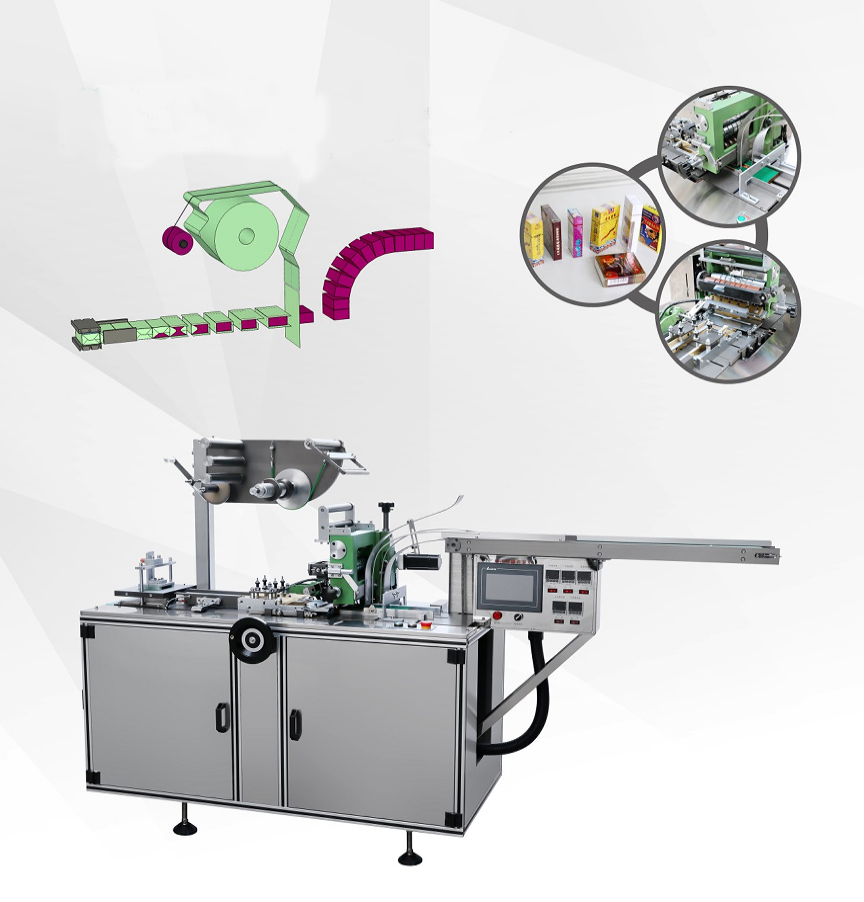
Xalqaro savdo uchun mo'ljallangan qadoqlash yechimlari haqida gap ketganda, har bir uskuna global xaridorlarning talab qiladigan doimiylik, moslik va taqdimot sifatini ta'minlamaydi. A selofan qadoqlash apparati faqat eksport bozorlari uchun mo'ljallangan mahsulotlar, faqat mahalliy foydalanish uchun mo'ljallangan mahsulotlardan tubdan farqli standartlarga javob berishi kerak. U turli xil mahsulot o'lchamlarini qo'llab-quvvatlashi, yetkazib berish jarayonida turli namlik va harorat sharoitida plyonkaning butunligini saqlash va bir nechta mamlakatda bojxona tekshiruvi hamda do'konlarda saqlash talablariga mos keladigan sig'imi bilan ishlashi kerak. Shu kontekstda bir apparat boshqalaridan nima uchun yuqori darajada ajralib turishini tushunish uchun uning muhandislik yechimlari, moslikka yo'naltirilgan dizayni hamda xalqaro miqyosdagi ambalaj logistikasi real talablarini yaqindan ko'rish kerak.
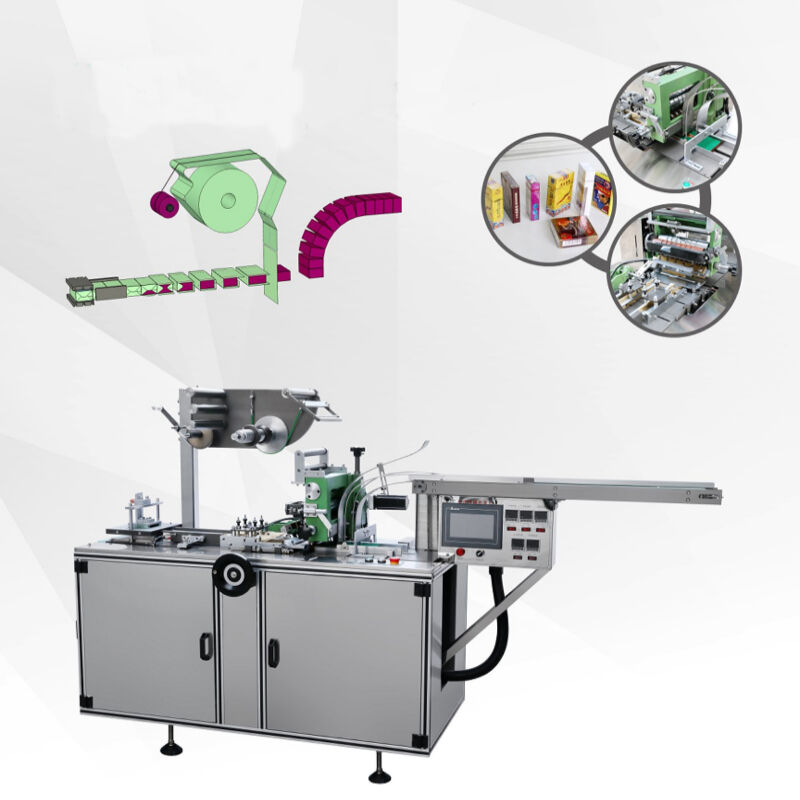
Eksport sifatidagi qadoqlash — sizning brendingizning xalqaro bozorlarda ishonchlilik va professionalizmini to'g'ridan-to'g'ri aks ettiradi. Biz ishlab chiqaradigan har bir selofan qadoqlash apparati shu haqiqatga asoslanib loyihalanadi. O'ralish mexanizmining aniqlik darajasidan tortib issiqlikda sig'ish tizimining sifatigacha, har bir komponent xalqaro bozorlarning qattiq talablarini — import qiluvchilar, tarqatuvchilar va oxirgi iste'molchilar talablarini bajarish va ulardan ham yuqori darajada javob berish maqsadida tanlanadi va sozlanadi. Ushbu maqola bizning selofan qadoqlash apparatining nima uchun eksport hajmida faoliyat yuritayotgan korxonalar uchun eng samarali yechim ekanligini aniq tushuntiradi.
Xalqaro qadoqlash me'yori talablariga mos keladigan muhandislik aniqiligi
Doimiy o'ralish sifatini ta'minlash uchun aniq o'lchovli noaniqliklar
Xalqaro sotuvchilar va savdo tarmoqlari qadoqlangan mahsulotlarga qat'iy o'lchovlar doirasini talab qiladi. Bir xil qoplam qalinligini, noaniq parda ustma-ustlikni yoki nihoyatda noaniq germetik uzunlikni ta'minlay olmaydigan selofan qadoqlash mosholasi yetkazib berilgan mahsulotlarning rad etilishiga, pul qaytarilishiga va yetkazib beruvchi brendining obro'siga zarar yetkazishiga sabab bo'ladi. Bizning mosholamiz har bir ishlab chiqarish sikli davomida chiziq tezligi qanday bo'lmasa ham aniq taranglik va joylashuvni saqlaydigan servodvigatel bilan boshqariladigan parda o'tkazish tizimiga ega.
Bu darajadagi mexanik aniqlik, ayniqsa, Yevropa, Shimoliy Amerika va Osiyo-Tinch okeani mintaqasidagi yuqori hajmli savdo muhitlariga yetkaziladigan mahsulotlarni qadoqlashda ayniqsa muhimdir, chunki bu mintaqalarda qadoqlash mahsulotlari do'konlarga kelganda shaklda qabul qilinadi. Selofan qadoqlash mosholasining ramkasi va harakatlanuvchi qismlari minimal o'lchovlar farqini ta'minlaydigan tarzda ishlab chiqarilgan bo'lib, har bir qadoqlanadigan mahsulot birinchi mahsulot bilan bir xil geometrik talablarga javob beradi.
Aniq muhandislik usullari bilan ishlab chiqilgan selofan qadoqlash apparati qo'llanishini boshlagan eksportchilar doimiy ravishda xorijiy xaridorlardan sifat bo'yicha shikoyatlar sonining kamayishini, qadoqlash bosqichida qayta ishlash darajasining pasayishini va mo'ljak omborlarida qabul qilish darajasining yaxshilanishini bildirishadi. Bu — abstrakt muhandislik da'volari emas, balki o'lchanadigan biznes natijalari.
Uzoq masofali tashish uchun sozlangan issiqlik bilan sig'ilish texnologiyasi
Zavodda a'lo ko'rinadigan selofan qoplamasi, agar issiqlik bilan sig'ilish to'g'ri sozlanmagan bo'lsa, olti haftalik dengiz yuk tashish jarayonida muvaffaqiyatsizlikka uchrashi mumkin. Eksport qadoqlash tashish konteinerlarining ichida qoplama, tebranish va bosim o'zgarishlari sababli mexanik kuchlanishga duch keladi. Bizning selofan qadoqlash apparati har bir zona alohida boshqariladigan temperaturaga nazorat qilinadigan sig'ilish panelidan foydalanadi, bu operatorlarga ishlatilayotgan selofan plyonkasining aniq darajasiga mos keladigan aniq vaqt davomiyligi va issiqlik darajasini sozlash imkonini beradi.
Bu — juda muhim farq. Ko'p sonli avtomatlar ishlab chiqarish joyidagi plyonka qalinligi yoki atrof-muhit harorati qanday bo'lmasin, doimiy sig'illatish parametrlarini qo'llaydi. Bizning tizimimizning moslashuvchan sig'illatish mantiqasi shuni ta'minlaydiki, nam tropik fabrikada o'ralgan mahsulotlar quruq iqlimli korxonada o'ralgan mahsulotlar bilan bir xil sig'illatish barqarorligiga ega bo'ladi, chunki apparat dinamik ravishda moslashadi.
Natijada — xalqaro logistika talablariga mos keladigan jismoniy yuklarga chidamli va doimiy sig'illatish beradigan selofan o'ralish apparati hosil bo'ladi, bu esa faqat qisqa etkazib berish zanjiriga va nisbatan boshqariladigan sharoitlarga ega bo'lgan mahalliy tarqatish uchun emas.
Chegaradan o'tish savdosiga mos dizayn
Chiqarish sertifikatlashi va tekshirish standartlari bilan moslik
Eksport bozorlari hujjatlarga ega bo'lishni talab qiladi. Tartibga solingan sohalarda — oziq-ovqat, farmatsevtika, kosmetika va luks tovarlar — ishlaydigan sotuvchilarning qadoqlash uskunalari tan olingan xavfsizlik va sifat standartlariga mos kelishini ta'minlash kerak. Bizning selofan qadoqlash apparati CE sertifikatlanishiga moslikni, oziq-ovqat bilan aloqador materiallar bo'yicha qonuniy talablarga moslikni va keng tarqalgan import bozorlar uchun amal qiladigan elektr xavfsizlik standartlariga moslikni ta'minlash maqsadida asosidan qurilgan.
Bu shuni anglatadiki, apparatning plyonka yo'nalishi oziq-ovqat uchun xavfsiz alyuminiyli po'latdan va kerakli hollarda ruxsat etilgan polimerlardan tayyorlangan. Elektr tizimi IEC standartlariga muvofiq ulangan. Boshqaruv paneli yorlig'i va hujjatlar uchun uchinchi tomon audit talablarini qondiradigan formatlarda mavjud. Sizning ishlab chiqarish liniyangizni chet elda sotuvchi yoki uning tayinlagan tekshiruv agentligi tekshirganda, bizning selofan qadoqlash apparati bu baholashni qiyinlashtirmasdan, balki qo'llab-quvvatlaydi.
Ko'plab ishlab chiqaruvchilar eksport kontekstida xarid qilish qarorlariga moslik hujjatlari qanchalik katta ta'sir ko'rsatishini kam baholaydilar. Izlanadigan komponentlarga ega, sifat nazorati jarayonlari hujjatlarga kiritilgan va aniq texnik spetsifikatsiyalarga ega selofan qadoqlash apparati sizni yetkazib beruvchi auditlaridan o'tish va talabqor xalqaro mijozlar bilan uzoq muddatli shartnomalarga erishishda sezilarli darajada yengillashtiradi.
Dunyo bo'ylab selofan va OPP standartlarida film mosligi
Turli eksport bozorlari turli film spetsifikatsiyalarini afzal ko'radi. Faqat bitta tor film darajasida optimal ishlaydigan selofan qadoqlash apparati xaridorlarga cheklangan yetkazib beruvchilar ro'yxatidan manba topishga majbur qiladi, bu esa narxlarni oshiradi va etkazib berish zanjirining moslashuvchanligini pasaytiradi. Bizning apparatimiz dunyo bo'ylab ishlatiladigan selofan, NatureFlex va yo'naltirilgan polipropilen filmlarining keng doirasida tozalik bilan ishlash uchun mo'ljallangan.
Ushbu keng moslik tasodifiy emas. U filmni o‘ralgan qismning tortish kuchini boshqarish tizimi, shakllantiruvchi yon qismining geometriyasi va germetiklovchi tirnoqning sirt materiali diqqatli muhandislik ishlari natijasidir. Bu elementlarning har biri xalqaro bozorga yo‘naltirilgan mijozlar turli xil xarid muhitida faoliyat yuritishini va filmning mavjudligiga moslanadigan, lekin unga buyruq beradigan selofan qadoqlash apparati talab qilishini hisobga olgan holda loyihalangan.
Operatsion jihatdan bu moslik bevosita kamroq xarid qilish xarajatlari, filmni almashtirgandan keyin tezroq ishga tushirish va apparatni sozlamasdan, xaridor tomonidan belgilangan aniq film parametrlariga javob berish imkonini beradi.
Ishlab chiqarish samaradorligi xalqaro eksport hajmi va tezlik uchun mo‘ljallangan
Qoplamani buzmasdan yuqori tezlikda ishlash
Eksport buyurtmalari odatda mahalliy buyurtmalardan kattaroq bo'ladi va ular ko'pincha qo'llab-quvvatlanadigan yetkazib berish oynalari bilan keladi, ularni qo'ldan boy bermaslik kerak. Sifatni saqlash uchun sekinlashadigan selofan qadoqlash apparati haqiqiy operatsion ehtiyojni qondirmaydi. Bizning apparatimiz yuqori ishlab chiqarish tezligini saqlash uchun mo'ljallangan — bu uzun muddatli ishlab chiqarish jarayonlari davomida tasdiqlangan — va past darajali apparatlarda ularning nominal maksimal tezligiga yaqin ishlaganda ko'pincha paydo bo'ladigan germetiklanish a'zolarining buzilishi, plyonkaning yorilishi yoki noto'g'ri oziqlantirish xatolari kabi muammolarga sabab bo'lmaydi.
Bu tezlikdagi ishlash barqarorligi qattiq ramka konstruksiyasi orqali, rezonansga oid noaniqliklarni oldini oluvchi, yuqori aniqlikdagi harakat sensorlari orqali — ulardan plyonka tarangligidagi noaniqliklar jamlanguncha aniqlanadi — va jarayon barqarorligiga asosiy e'tibor beruvchi, g'ayrioddiy sikllar soniga emas, balki jarayon barqarorligiga e'tibor beruvchi boshqaruv arxitekturasi orqali amalga oshiriladi. Selofan qadoqlash apparati qisqa sinov partiyasini ishlab chiqarayotganida ham yoki o'nta soatlik smenada to'liq tezlikda ishlayotganida ham doimiy sifatni saqlaydi.
Eksportga yo'naltirilgan ishlab chiqaruvchilar uchun bu ishonchli o'tkazish quvvatini rejalashtirishni anglatadi. Siz o'z cellofan qadoqlash uskunasining konteyner yuklashini kechiktirmasligi yoki kemalarga jo'natish muddatlarini qo'ldan boy bermasligi haqida ishonch hosil qilgandan so'ng, xaridorlarga yetkazib berish jadvallariga majbur bo'lishingiz mumkin.
Ko'p SKUli eksport liniyalari uchun tez konfiguratsiya o'zgartirish qobiliyati
Eksport qiluvchilar deyarli hech qachon bitta mahsulotni jo'natmaydi. Aksariyat ular turli xil mahsulot hajmlari, shakllari va plyonka formatlariga mos ravishda samarali qadoqlanishi kerak bo'lgan ko'p SKUli liniyalarda ishlaydi. Bizning cellofan qadoqlash uskunamiz shakllantiruvchi komponentlarda vositasiz yoki minimal vositali konfiguratsiya o'zgartirish mexanizmlariga ega, shuningdek, raqamli boshqaruv panelida saqlangan parametrlar to'plami mavjud bo'lib, bu operatorlarga ishlab chiqarish konfiguratsiyalarini soatlardan emas, balki daqiqalarda o'zgartirish imkonini beradi.
Har bir soatlik avtomat vaqtining bevosita xarajatga ta'sir qiladigan eksport ishlab chiqarish muhitida o'tkazish tezligi haqiqiy moliyaviy omil hisoblanadi. Mahsulot formati o'zgarganda uzun vaqt davom etadigan mexanik sozlamalarga ehtiyoj sezadigan selofan qadoqlash avtomati sizning eksport narx ro'yxatingizdagi har bir SKU uchun yashirin xarajatlarga sabab bo'ladi. Bizning avtomatimiz bu yashirin xarajatlarni aqlli dizayn orqali bartaraf etadi.
Bu tez moslashuvchanlik shuningdek, bir nechta mahsulotlar chizig'ini qadoqlash va bitta eksport partiyasiga birlashtirish kerak bo'lgan aralash idishli yetkazib berishlarga ham yordam beradi. Selofan qadoqlash avtomatining moslashuvchanligi bu ish jarayonini samarali va tijorat jihatdan amalga oshirishga imkon beradi.
Xalqaro operatorlar uchun keyingi sotuvdan keyingi qo'llab-quvvatlash va texnik xizmat
Chet el mijozlari uchun masofadan turib diagnostika qilish imkoniyati
Xalqaro sotuvchilar uchun selluloza qadoqlash uskunasiga investitsiya qilishda eng muhim tashvishlardan biri — texnik yordam talab qilinganda nima bo'lishi haqidir. Ishlab chiqaruvchi va foydalanuvchi o'rtasidagi geografik masofa haqiqiy xizmat ko'rsatish qiyinligini keltirib chiqaradi. Bizning uskunalarimiz uzoqdan nazorat qilish va diagnostika qilish imkoniyatiga ega bo'lib, texnik jamoamiz uskuna boshqaruv tizimiga bevosita ulanib, nosozliklar, parametrlarning noto'g'riligi yoki ishlash samaradorligining eskirish natijasida pasayishi kabi muammolarni aniqlashi mumkin, bu esa on-site (joyda) tashrifni talab qilmasdan amalga oshiriladi.
Bu uzoqdan xizmat ko'rsatish imkoniyati xalqaro sotuvchilarga xos turli to'siqlarga duch kelishini oldini oladi, chunki ular aks holda texnik xodimning xalqaro sayohatini kutishlari kerak bo'lardi. Ko'p hollarda bizning jamoamiz muammo hal qilish, uskuna firmwareini yangilash yoki mahalliy operatorni to'g'ri harakatlarni bajarish bo'yicha qo'llab-quvvatlashni xizmat so'rovi qabul qilinishidan keyin soatlar ichida amalga oshiradi. Xalqaro yetkazib berish jadvali bo'yicha ishlaydigan ishlab chiqarish liniyasi uchun bunday tez javob berish bevosita qiymatga ega.
Sellofanli qadoqlash uskunasining boshqaruv tizimi shuningdek, muhandislarimiz uskuna xatti-harakatlaridagi namunalarni aniqlab, nuqsonlar ishlab chiqarishni to'xtatishga olib kelishidan oldin oldini olish uchun texnik xizmat ko'rsatishni tavsiya qilish imkonini beradigan to'liq xatoliklar jurnalini saqlash uchun mo'ljallangan. Bu oldindan harakat qilishga asoslangan xizmat ko'rsatish usuli, maxsus mutaxassislari mahalliyda mavjud bo'lmasa, xavfli joylarda faoliyat yuritayotgan mijozlar uchun ayniqsa qimmatli.
To'liq ehtiyot qismlar hujjatlari va global ta'minot
Sellofanli qadoqlash uskunasini uzluksiz eksport sifatida ishlashda saqlash uchun ishqalanuvchi qismlarga va iste'mol qilinadigan materiallarga ishonchli kirish talab qilinadi. Bizning uskunamiz standartlashtirilgan komponentlar spetsifikatsiyalari va ehtiyot qismlarni bir nechta ta'minot kanallari orqali (kerak bo'lganda) sotib olish imkonini beradigan hujjatlashtirilgan materiallar ro'yxati bilan loyihalangan, bu esa bitta ta'minot yo'nalishiga bog'liqlikni kamaytiradi.
Biz xalqaro yetkazib berishni qo'llab-quvvatlaydigan tuzilgan ehtiyot qismlar dasturini saqlaymiz, bu esa muhim yeyiladigan komponentlarni minimal yetkazib berish muddati bilan butun dunyo bo'ylab mijozlarga yuborish imkonini beradi. Har bir selofan qadoqlash mosholasi tavsiya etilgan ehtiyot qismlar to'plami va mosholaning foydalanish profiliga moslashtirilgan texnik xizmat ko'rsatish jadvali bilan yetkazib beriladi; shu tufayli mijozlar ishlab chiqarish jarayonini to'xtatmasdan oldindan texnik xizmat ko'rsatishni rejalashtirishlari mumkin.
Bu darajadagi ehtiyot qismlar mavjudligi va hujjatlarga oid talablar sanoatda umumiy standart emas. Bu, eksportga yo'naltirilgan ish faoliyati uchun rejasiz to'xtashlar — faqat texnik qulaylik emas, balki tijorat xavfida hamdir — degan tushunchamizni aks ettiradi. Biz taqdim etayotgan selofan qadoqlash mosholasi xalqaro ishlab chiqarishning operatsion talablariga mos keladigan texnik xizmat ko'rsatish infratuzilmasi bilan qo'llab-quvvatlanadi.
Tez-tez so'raladigan savollar
Qanday sababdan selofan qadoqlash mosholasi ayniqsa eksport darajasidagi ishlab chiqarish uchun mos?
Eksport uchun mo'ljallangan sellofan qadoqlash apparati turli atrof-muhit sharoitlari ostida doimiy germetiklik sifatini ta'minlashi, xalqaro elektr va materiallar xavfsizligi standartlariga mos kelishi va chet el savdo sotuvchilari hamda bojxona inspektorlarining o'lcham va taqdimot talablariga javob beradigan qadoqlashni ishlab chiqarishi kerak. Faqat mahalliy foydalanish uchun yaratilgan apparatlar ko'pincha uzluksiz xalqaro savdo faoliyati uchun zarur bo'lgan aniq muhandislik, moslik hujjatlari va xizmat ko'rsatish infratuzilmasiga ega bo'lmaydi.
Sellofan qadoqlash apparati turli eksport bozorlarida ishlatiladigan turli film turlarini qayta ishlash qobiliyatiga ega mi?
Ha. Bizning selofan qadoqlash uskunamiz turli xil film darajalarida ishlash uchun mo'ljallangan: oddiy selofan, tabiiy biodegradatsiya qilinadigan NatureFlex filmi va turli mintaqalardagi bozorlarda keng tarqalgan yo'nalish berilgan polipropilen (OPP) variantlari. Filmning taranglik tizimi, shakllantirish geometriyasi va sig'ish parametrlari barchasi mexanik komponentlarni almashtirmasdan turli film spetsifikatsiyalarini qo'llab-quvvatlash uchun sozlanadi.
Ushbu uskunaning uzoqdan diagnostika qilish funksiyasi chet elda sotib oluvchilarga qanday yordam beradi?
Masofaviy diagnostika tizimi texnik jamoamizga xavfsiz tarmoq ulanishi orqali avtomatning boshqaruv ma'lumotlariga bevosita kirish imkonini beradi. Bu real vaqtda nosozliklarni aniqlash, parametrlarni to'g'rilash va masofadan yo'naltiriladigan texnik xizmat ko'rsatishni ta'minlaydi va shu bilan birga, mutaxassisni ob'ektga chaqirish shart emas. Mahalliy texnik yordam cheklangan bo'lgan mamlakatlarda maxsus qadoqlash uskunalari bilan ishlaydigan mijozlar uchun bu imkoniyat turli xil to'xtatishlar xavfini sezilarli darajada kamaytiradi va eksport yetkazib berish muddatlariga bog'liq ishlab chiqarish jadvallarini himoya qiladi.
Xalqaro sotuvchilar tomonidan etkazib beruvchilarni audit qilishni qo'llab-quvvatlash uchun qanday hujjatlar mavjud?
Bizning selofan qadoqlash uskunamiz CE mos kelish sertifikati, IEC standartlariga mos elektr sxemalari, barcha mahsulot yo'nalishi komponentlari uchun oziq-ovqat bilan aloqada bo'ladigan materiallar spetsifikatsiyalari hamda to'liq texnik xizmat ko'rsatish va boshqarish qo'llanmasi kabi to'liq texnik hujjatlarga ega. Bu hujjatlar oziq-ovqat ishlab chiqarish, kosmetika va farmatsevtika kabi tartibga solinadigan sohalarda xalqaro xaridorlar tomonidan o'tkaziladigan uchinchi tomon etkazib beruvchilarga nisbatan auditlarni qo'llab-quvvatlash maqsadida tuzilgan.
Mundarija
- Xalqaro qadoqlash me'yori talablariga mos keladigan muhandislik aniqiligi
- Chegaradan o'tish savdosiga mos dizayn
- Ishlab chiqarish samaradorligi xalqaro eksport hajmi va tezlik uchun mo‘ljallangan
- Xalqaro operatorlar uchun keyingi sotuvdan keyingi qo'llab-quvvatlash va texnik xizmat
-
Tez-tez so'raladigan savollar
- Qanday sababdan selofan qadoqlash mosholasi ayniqsa eksport darajasidagi ishlab chiqarish uchun mos?
- Sellofan qadoqlash apparati turli eksport bozorlarida ishlatiladigan turli film turlarini qayta ishlash qobiliyatiga ega mi?
- Ushbu uskunaning uzoqdan diagnostika qilish funksiyasi chet elda sotib oluvchilarga qanday yordam beradi?
- Xalqaro sotuvchilar tomonidan etkazib beruvchilarni audit qilishni qo'llab-quvvatlash uchun qanday hujjatlar mavjud?