
 EN
EN



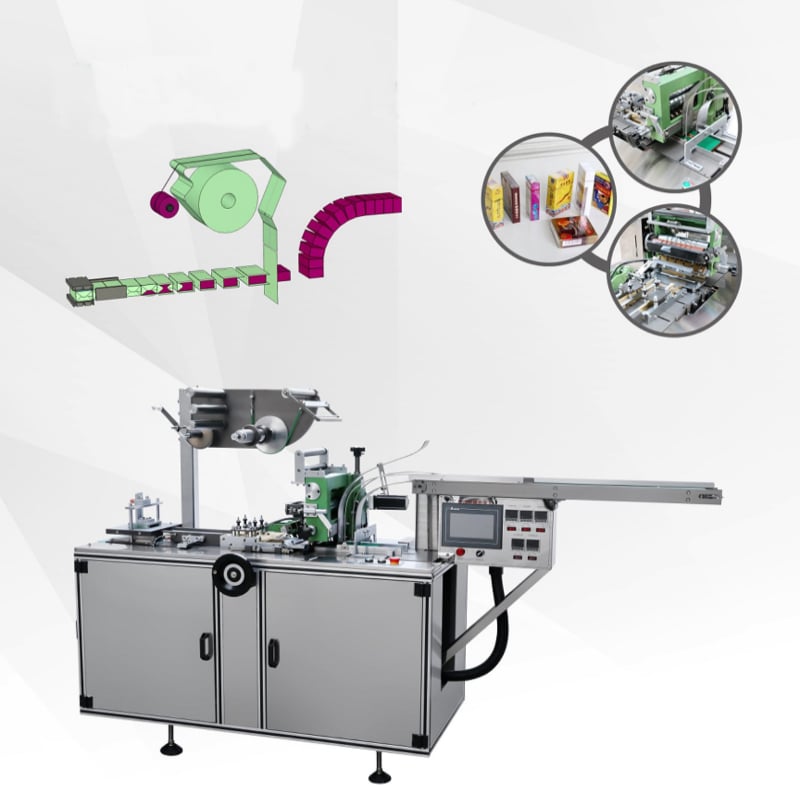
A cellophane box wrapping machine plays a decisive role in how well a packaged product withstands humidity and moisture exposure. When products sit in warehouses, travel through supply chains, or rest on retail shelves, they face varying levels of ambient moisture that can silently degrade quality. A cellophane box wrapping machine addresses this vulnerability by applying a tightly sealed cellophane film layer around each box, forming a reliable physical barrier that resists the passage of water vapor into the package.
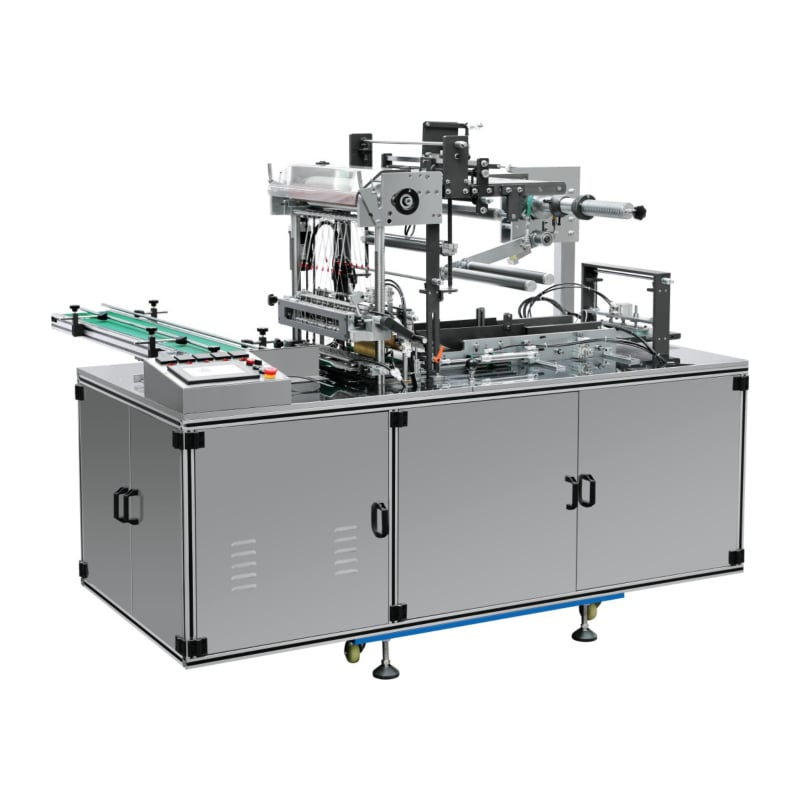
Moisture resistance is not just a cosmetic concern. It directly affects product integrity, shelf life, brand reputation, and consumer satisfaction. Industries ranging from cosmetics and pharmaceuticals to food, gifts, and printed materials rely on a cellophane box wrapping machine to ensure their boxed products arrive in pristine condition, regardless of transportation or storage conditions. Understanding how a cellophane box wrapping machine achieves improved moisture resistance helps businesses make smarter packaging decisions.
The Moisture Barrier Mechanism of Cellophane Film
How Cellophane Film Creates a Protective Seal
The moisture resistance delivered by a cellophane box wrapping machine begins with the material itself. Cellophane film, when applied by a cellophane box wrapping machine under controlled heat and tension, conforms closely to the contours of each box. This tight conformity minimizes gaps and exposed edges where moisture could otherwise penetrate. The result is a wrap that clings to the box surface with very few air pockets, reducing the entry points for humidity.
A cellophane box wrapping machine heats the film during the sealing phase, creating a fused edge that bonds the film layers together at every fold. This heat-seal process is critical because it eliminates the loosely overlapping edges that manual wrapping often leaves behind. When a cellophane box wrapping machine seals a box properly, the entire outer surface of the package becomes a unified moisture-resistant shell rather than a collection of overlapping layers with weak joints.
Film Thickness and Moisture Vapor Transmission
Not all cellophane films perform equally. A cellophane box wrapping machine can be configured to work with different film grades, and selecting a film with a low moisture vapor transmission rate significantly strengthens the barrier. When a cellophane box wrapping machine uses thicker or coated cellophane film, the film slows the rate at which water vapor diffuses through the wrap. This is especially important for products such as tea, confectionery, pharmaceuticals, and printed books, where even slight moisture ingress causes visible or functional damage.
Consistent Wrap Quality and Its Impact on Moisture Protection
Uniformity Across Every Package
One of the most important ways a cellophane box wrapping machine improves moisture resistance is through consistency. Manual wrapping introduces variation — different tension levels, uneven folds, and inconsistent seal pressure — all of which create weak points where moisture can enter. A cellophane box wrapping machine eliminates this variability by applying the same wrapping parameters to every single box. The tension, sealing temperature, and fold precision remain constant across an entire production run, ensuring that every box benefits from the same level of protection.
In high-volume operations, this uniformity is especially valuable. A cellophane box wrapping machine that runs hundreds or thousands of boxes per hour maintains the same wrap quality throughout. This means businesses can confidently claim that their entire batch of packaged products meets the same moisture resistance standard, which is critical for regulated industries like pharmaceuticals or premium consumer goods where quality consistency is non-negotiable.
Tight Corners and Edge Coverage
Corners and edges are the most vulnerable points of any wrapped package. These areas are where moisture most easily finds its way inside. A cellophane box wrapping machine is engineered to fold film precisely around corners, tucking and sealing each edge with consistent pressure. Unlike hand-wrapping, where corners often receive uneven or rushed treatment, a cellophane box wrapping machine dedicates the same mechanical precision to every corner on every box. This edge-level sealing performance is one of the most direct contributors to the moisture resistance improvement that a cellophane box wrapping machine delivers.
Application Contexts Where Moisture Resistance Matters Most
Industries That Depend on Moisture-Resistant Packaging
The value of a cellophane box wrapping machine becomes most apparent in industries where product quality is directly tied to environmental protection. In the cosmetics industry, boxes containing powder-based or moisture-sensitive products rely on a cellophane box wrapping machine to prevent humidity from affecting pigment stability or texture. In the food industry, tea, chocolate, and confectionery brands use a cellophane box wrapping machine to keep products fresh and prevent flavor degradation caused by moisture absorption.
Pharmaceutical companies use a cellophane box wrapping machine to provide an additional sealing layer that protects medicine boxes from ambient humidity during long-term storage. Gift and stationery brands that ship internationally depend on a cellophane box wrapping machine to ensure that printed surfaces, foil accents, and card materials do not warp or discolor when crossing humid climates. In each of these applications, the cellophane box wrapping machine acts as a frontline defense against moisture-related product damage.
Seasonal and Geographic Challenges
Products distributed across different climates face unique challenges that a cellophane box wrapping machine is well-positioned to address. In tropical or monsoon-prone regions, ambient humidity levels can exceed 80%, creating conditions where unprotected packaging quickly absorbs moisture and degrades. A cellophane box wrapping machine provides a consistent barrier that performs reliably across these environmental extremes. Businesses exporting to markets with variable climates benefit significantly from using a cellophane box wrapping machine because the wrap maintains its integrity regardless of whether the product is stored in a dry warehouse or a humid retail environment.
FAQ
Does a cellophane box wrapping machine completely waterproof a package?
A cellophane box wrapping machine significantly reduces moisture ingress but does not make a package fully waterproof in the sense of resisting direct liquid submersion. The wrap created by a cellophane box wrapping machine acts as a moisture vapor barrier, greatly slowing the rate at which humidity penetrates the package. For most commercial storage and retail applications, the protection level provided by a cellophane box wrapping machine is more than sufficient to maintain product quality.
What film type should I use in a cellophane box wrapping machine for high-humidity environments?
For high-humidity environments, it is recommended to use moisture-coated or PVDC-coated cellophane film in a cellophane box wrapping machine. This type of film has a significantly lower moisture vapor transmission rate compared to standard film, meaning the cellophane box wrapping machine will produce packages with a stronger barrier. Consulting with your film supplier and cellophane box wrapping machine provider helps identify the best film specification for your specific climate and product requirements.
Can a cellophane box wrapping machine handle different box sizes while maintaining moisture resistance?
Yes, most modern cellophane box wrapping machine models are adjustable and can accommodate a range of box sizes. When a cellophane box wrapping machine is correctly set up for a specific box dimension, it maintains the same sealing quality and wrap tension regardless of size variation. Proper size configuration of the cellophane box wrapping machine is essential to ensure that the film covers all edges and corners correctly, which directly determines the moisture resistance performance of the finished wrap.