
 EN
EN



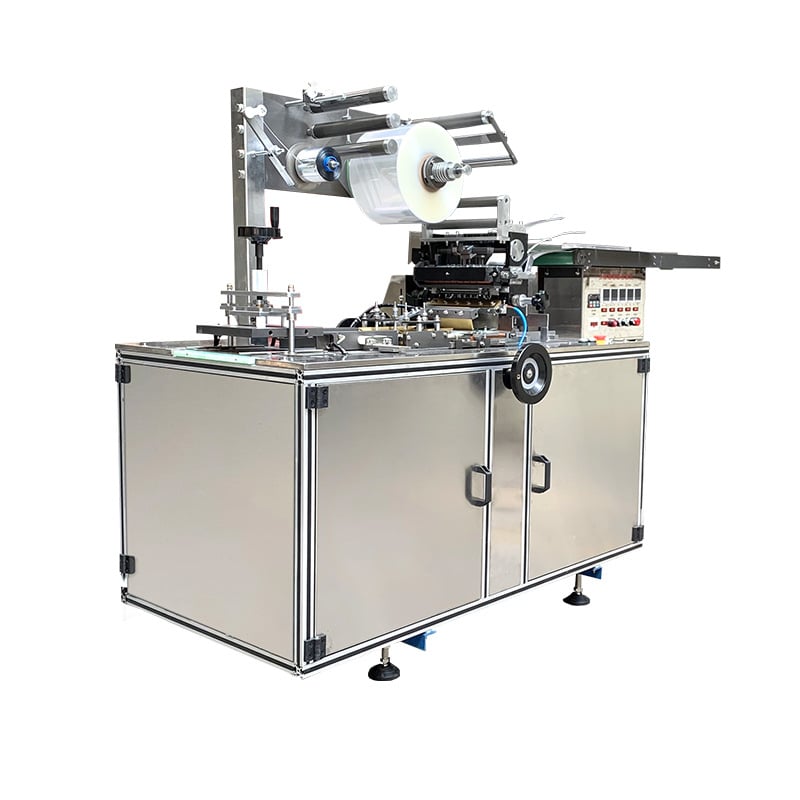
The cigarette box wrapping machine has become the backbone of modern tobacco packaging operations worldwide. Manufacturing excellence in the cigarette industry depends on consistent, high-speed packaging that meets strict regulatory and quality standards. A reliable cigarette box wrapping machine delivers precisely what production facilities need: speed, accuracy, and repeatability that manual processes simply cannot achieve. Understanding why the cigarette box wrapping machine has earned its industry-standard reputation reveals critical insights into modern packaging technology and operational efficiency.
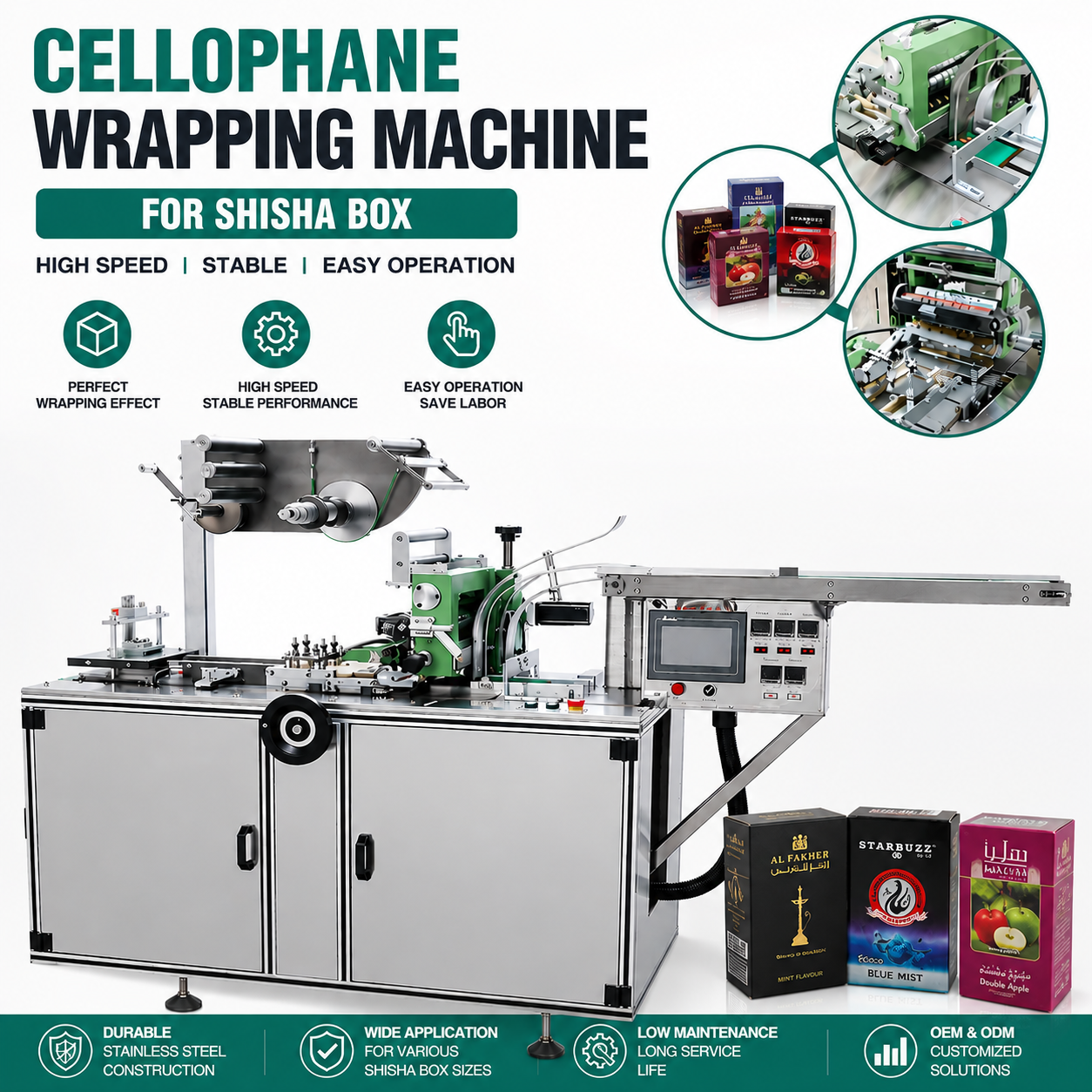
Packaging speed and consistency define success in tobacco manufacturing. The cigarette box wrapping machine achieves output volumes that would require dozens of workers operating manual stations, yet maintains precision that exceeds human capability. This combination of productivity and reliability has transformed how cigarette manufacturers approach packaging operations across all production scales.
Superior Production Efficiency and Output Volume
Meeting High-Demand Production Requirements
Cigarette manufacturers face relentless pressure to deliver consistent volumes while managing costs and maintaining quality. A cigarette box wrapping machine handles thousands of units daily, operating continuously without fatigue or quality degradation. This capability directly impacts profitability because throughput directly translates to revenue per production line. Facilities operating manual wrapping systems cannot compete with automated operations in terms of daily output, which explains why the cigarette box wrapping machine has become the industry standard.
Automation eliminates bottlenecks that plague traditional packaging workflows. When a cigarette box wrapping machine operates at full capacity, it maintains consistent cycle times that human operators cannot match. Production planners can accurately forecast output and schedule inventory based on reliable machinery performance, whereas manual processes introduce variability that complicates supply chain management.
Cost-Per-Unit Economics and Labor Reduction
The economic case for a cigarette box wrapping machine becomes clear when analyzing cost-per-unit metrics. Labor costs represent a significant expense in manual packaging operations, but automation shifts the cost structure toward equipment depreciation and maintenance. Over a production year, facilities using a cigarette box wrapping machine achieve substantially lower per-unit packaging costs than those relying on manual labor. This economic advantage compounds over time as the machinery investment is amortized across millions of packaged units.
Staff reduction through automation addresses a growing challenge in manufacturing: finding and retaining qualified workers for repetitive packaging tasks. A cigarette box wrapping machine replaces multiple full-time positions while improving output quality, which appeals to manufacturers facing labor shortages in their regions.
Precision, Consistency, and Regulatory Compliance
Achieving Flawless Wrap Quality Standards
Quality variation represents an unacceptable liability in cigarette packaging. Each pack must meet exact specifications for cellophane tension, sealing strength, and wrap alignment. A cigarette box wrapping machine achieves tolerances that human hands cannot reliably maintain across a full production run. The machinery applies consistent pressure, heat, and timing parameters to every single unit, eliminating the quality variation inherent in manual operations.
Defect rates matter enormously because damaged packaging creates returns, customer complaints, and brand damage. The cigarette box wrapping machine maintains defect rates below one percent when properly maintained, whereas manual wrapping typically produces three to five percent defect rates under ideal conditions. This quality advantage justifies the equipment investment and strengthens customer satisfaction metrics.
Meeting International Packaging Regulations
Tobacco regulations vary across jurisdictions but consistently demand precise packaging specifications. Tax stamps, warning labels, and protective wrapping must meet exact requirements or shipments face regulatory holds. A cigarette box wrapping machine can be programmed to accommodate different regional specifications, ensuring compliance across multiple markets from a single production facility. This flexibility combined with consistent execution makes the cigarette box wrapping machine essential for international manufacturers.
Documentation and traceability requirements in regulated industries benefit from automated packaging systems. A cigarette box wrapping machine can integrate with production software to record parameters, timestamps, and batch information automatically, creating audit trails that satisfy regulatory inspections. Manual operations cannot provide this level of documented consistency.
Long-Term Reliability and Operational Advantages
Minimizing Downtime Through Robust Engineering
Manufacturing facilities depend on equipment reliability because every hour of downtime represents lost production and missed revenue. A cigarette box wrapping machine built to industrial standards features robust engineering designed for thousands of operating hours between major maintenance intervals. Component selection, material specifications, and manufacturing processes prioritize durability over cost-cutting shortcuts.
The cigarette box wrapping machine achieves this reliability through redundant safety systems, easily replaceable wear components, and preventive maintenance protocols that manufacturing teams can execute with standard tools. When breakdowns do occur, the modular design allows rapid repairs that restore production quickly. This reliability record contrasts sharply with manual operations, which depend entirely on worker presence and attention.
Scalability and Production Flexibility
Business growth often requires expanding packaging capacity without complete facility redesign. A cigarette box wrapping machine provides scalability because adding capacity means adding identical machinery units, rather than recruiting and training new workers. This standardized approach simplifies expansion and maintains quality consistency as operations grow.
The cigarette box wrapping machine also accommodates product variations more easily than manual operations. Switching between different box sizes or packaging formats requires reprogramming and installing new tooling, but the process is faster and more reliable than retraining workers for new procedures. This flexibility enables manufacturers to diversify product lines without proportional increases in packaging labor.
FAQ
Why do most cigarette manufacturers prefer automated wrapping over manual packaging?
Automated cigarette box wrapping machines deliver superior efficiency, consistency, and economics that manual operations cannot match. Manufacturers achieve three to five times higher output, reduce defect rates to under one percent, and lower cost-per-unit expenses substantially. These advantages combine to make automation the obvious choice for competitive manufacturers.
Can a cigarette box wrapping machine handle different box sizes and packaging styles?
Modern cigarette box wrapping machines feature adjustable settings and interchangeable tooling that accommodate different box dimensions and packaging materials. Switching between configurations requires relatively minor adjustments and component changes, allowing manufacturers to maintain flexibility while enjoying automation benefits. This capability makes a single cigarette box wrapping machine investment suitable for diversified product lines.
What maintenance does a cigarette box wrapping machine require to maintain reliability?
A cigarette box wrapping machine requires regular preventive maintenance including component lubrication, wear-part replacement on schedule, and periodic calibration of precision mechanisms. Well-maintained equipment achieves thousands of operating hours between major overhauls. Following manufacturer maintenance protocols ensures optimal performance and extends equipment lifespan significantly.