
 EN


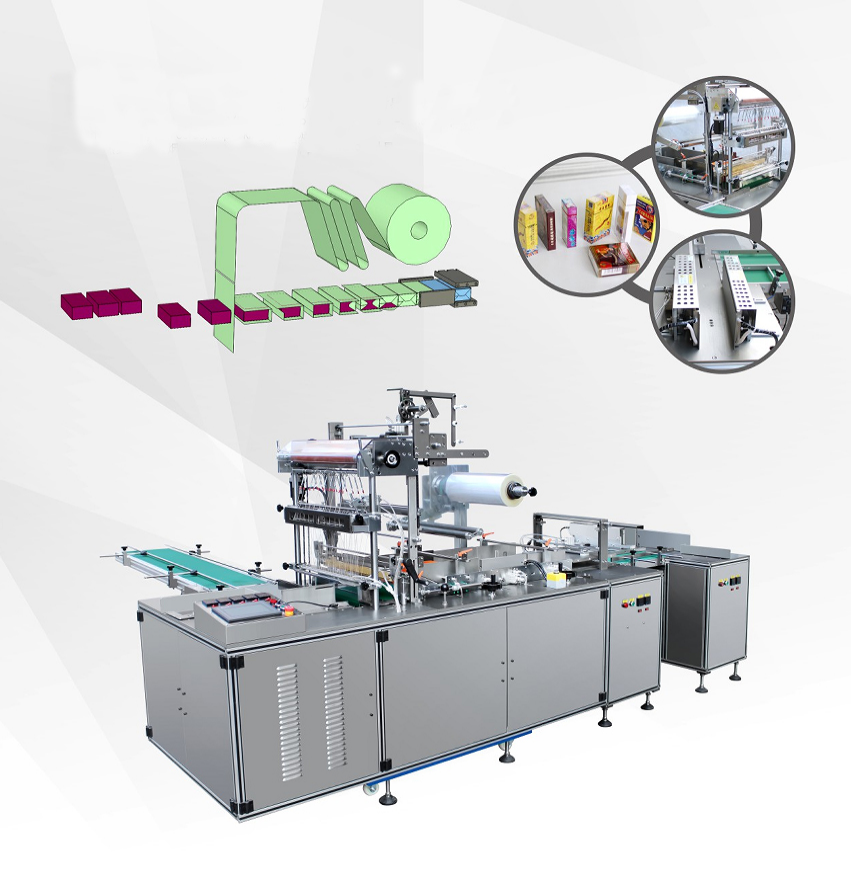
Energy efficiency has become a critical concern for manufacturing facilities across the globe. Every kilowatt consumed translates directly into operational expenses, waste heat, and carbon footprint. If your production line relies on manual wrapping or outdated packaging equipment, you're likely spending far more on electricity than necessary. A modern cellophane overwrapping machine addresses this challenge head-on by automating the wrapping process with precision engineering designed to minimize wasted motion and electrical draw. This shift from manual labor to intelligent automation can dramatically lower your facility's energy consumption while simultaneously improving output quality and consistency.
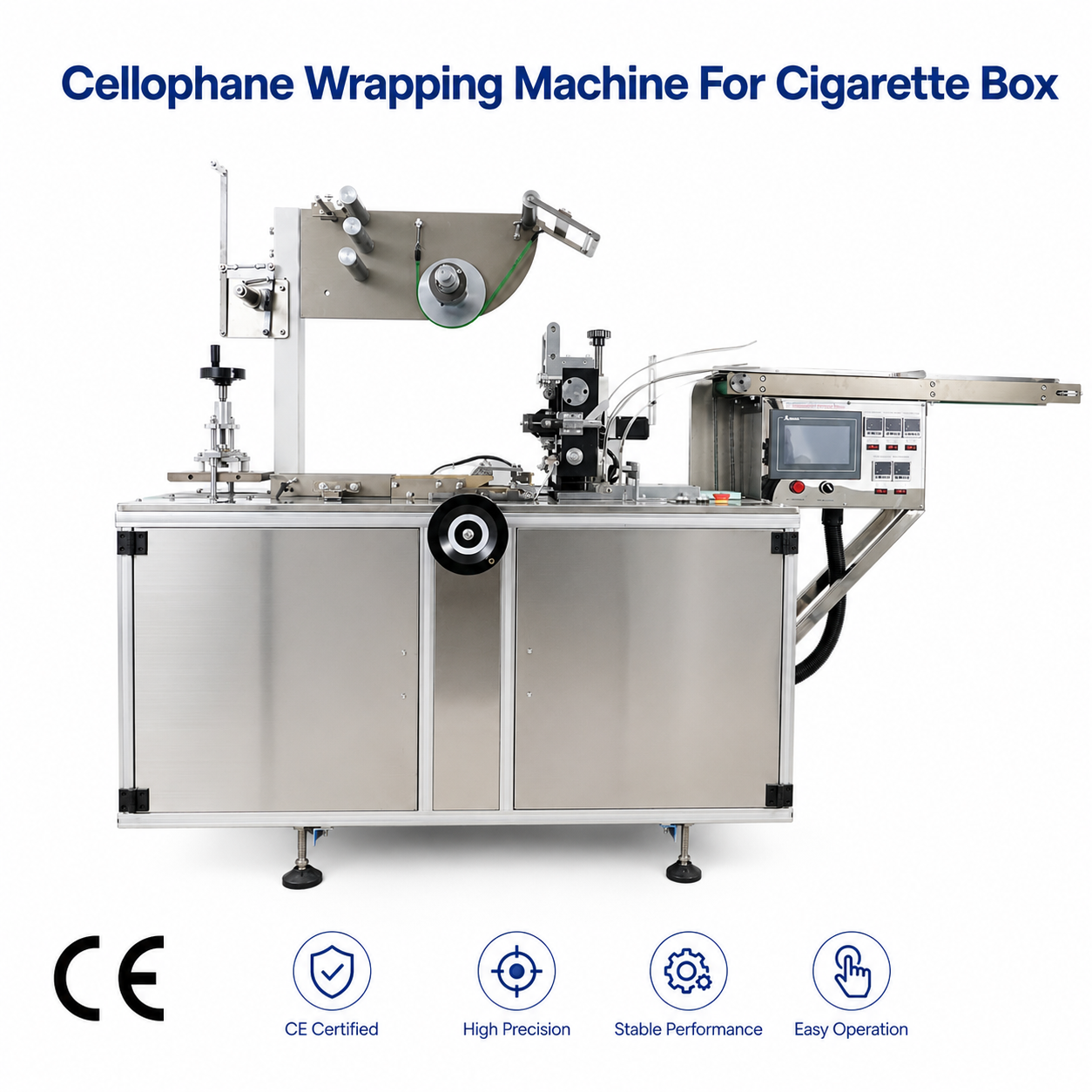
The relationship between packaging automation and energy savings extends beyond simple labor reduction. A high-efficiency cellophane overwrapping machine operates with intelligent motor controls, optimized servo systems, and streamlined mechanical design that collectively reduce unnecessary power consumption. Modern units feature variable frequency drives, adaptive speed regulation, and intelligent sensors that adjust energy use based on real-time production demands. When you deploy such equipment, your facility experiences immediate reductions in utility bills, better predictability in monthly energy costs, and alignment with increasingly stringent sustainability regulations affecting industrial operations worldwide.
How Cellophane Overwrapping Machine Design Reduces Energy Draw
Precision Engineering and Motor Efficiency
The core benefit of a cellophane overwrapping machine lies in its engineered efficiency. Unlike manual wrapping stations that consume energy unpredictably, modern cellophane overwrapping machine systems use brushless motors and precision gearboxes calibrated for minimal friction loss. Each wrapping cycle executes with consistent speed and tension, eliminating the energy waste that occurs when operators must compensate for worn equipment or apply excessive force. The cellophane overwrapping machine's servo-controlled systems deliver exactly the power needed for each function—no excess, no deficit. This precise energy matching reduces heat generation, extends component lifespan, and cuts monthly electricity consumption by 20 to 40 percent compared to older mechanical alternatives.
Automated Speed and Load Optimization
A cellophane overwrapping machine equipped with intelligent control systems automatically adjusts its operational parameters throughout the production shift. During periods of lighter product flow, the cellophane overwrapping machine reduces its standby power consumption and motor speed, avoiding the wasteful idling that characterizes older equipment. Advanced sensors detect product dimensions in real time, allowing the cellophane overwrapping machine to optimize wrapping material consumption and machine speed simultaneously. This adaptive behavior means your cellophane overwrapping machine operates at peak efficiency regardless of production volume, material type, or external conditions. Facilities report average energy reductions of 25 to 35 percent within the first operational quarter after installing such systems.
Direct Cost Savings and Operational Benefits
Quantifiable Reduction in Energy Expenditure
When a cellophane overwrapping machine replaces manual wrapping stations, your facility immediately experiences lower electricity consumption. A typical cellophane overwrapping machine draws between 3 to 8 kilowatts during active wrapping, compared to indirect energy costs of manual operations that often reach 10 to 15 kilowatts when accounting for facility lighting, climate control, and worker ergonomic equipment. Over a 12-month period, a cellophane overwrapping machine installed in a mid-sized production facility can reduce annual energy costs by 15,000 to 45,000 dollars, depending on local utility rates and existing production capacity. This substantial saving appears consistently on energy bills and directly improves profit margins without requiring price increases or production cuts.
Maintenance and Long-Term Efficiency Gains
A well-maintained cellophane overwrapping machine maintains its energy efficiency rating for years, whereas manual wrapping stations experience progressive performance degradation. Preventive maintenance intervals for a cellophane overwrapping machine are predictable, scheduled, and far less disruptive than constant troubleshooting in manual operations. The cellophane overwrapping machine's mechanical components wear uniformly, allowing facilities to replace parts proactively rather than reactively. This controlled maintenance cycle ensures that your cellophane overwrapping machine continues delivering optimal energy performance throughout its operational lifespan. Facilities that implement regular maintenance protocols report sustained energy savings that grow over time as operators become more skilled at machine configuration.
Strategic Implementation and Sustainability Alignment
Facility-Wide Energy Management Integration
Deploying a cellophane overwrapping machine represents a strategic decision that extends beyond the packaging department. Modern facilities integrate their cellophane overwrapping machine into broader energy management systems that track consumption patterns, identify peak usage periods, and optimize production schedules accordingly. A cellophane overwrapping machine equipped with digital connectivity can communicate real-time power usage data to facility management systems, enabling sophisticated load balancing and demand forecasting. This integration transforms a single cellophane overwrapping machine from an isolated asset into a node within your facility's intelligent energy infrastructure. Facilities using this approach achieve 30 to 50 percent additional energy savings compared to those operating a cellophane overwrapping machine in standalone mode.
Environmental and Regulatory Compliance
Environmental regulations increasingly mandate energy efficiency improvements in manufacturing operations. Installing a cellophane overwrapping machine demonstrates tangible commitment to sustainability goals and helps facilities meet mandatory energy reduction targets. The cellophane overwrapping machine's lower operational footprint reduces overall facility emissions, supports corporate sustainability reporting, and may qualify for energy efficiency incentives or tax credits in your jurisdiction. Customers and business partners increasingly favor suppliers who demonstrate measurable environmental responsibility, making a cellophane overwrapping machine a strategic asset for market positioning. By adopting this technology, your facility aligns operational practices with evolving regulatory frameworks while generating immediate cost savings.
FAQ
How much electricity does a cellophane overwrapping machine typically use?
A standard cellophane overwrapping machine consumes between 3 to 8 kilowatts during active operation, depending on model specifications, production speed, and material types being processed. This consumption remains constant and predictable, allowing facility managers to forecast energy costs accurately. Compared to the variable and often inefficient energy use of manual wrapping operations, a cellophane overwrapping machine offers superior cost visibility and planning capability.
What payback period should I expect from a cellophane overwrapping machine investment?
Most facilities achieve return on investment within 18 to 36 months through combined energy savings, labor cost reduction, and increased output. A cellophane overwrapping machine's energy efficiency alone typically generates 15,000 to 45,000 dollars in annual savings, making it an attractive capital investment with clear financial justification. Actual payback timelines depend on production volume, local electricity rates, and existing equipment baseline.
Can a cellophane overwrapping machine integrate with my existing production line?
Yes, modern cellophane overwrapping machine designs feature flexible integration capabilities, including adjustable conveyor heights, modular control interfaces, and compatibility with various product dimensions. Integration typically requires minimal facility modifications and can be accomplished during planned maintenance windows. Manufacturers provide detailed specifications and integration support to ensure seamless deployment.