
 EN


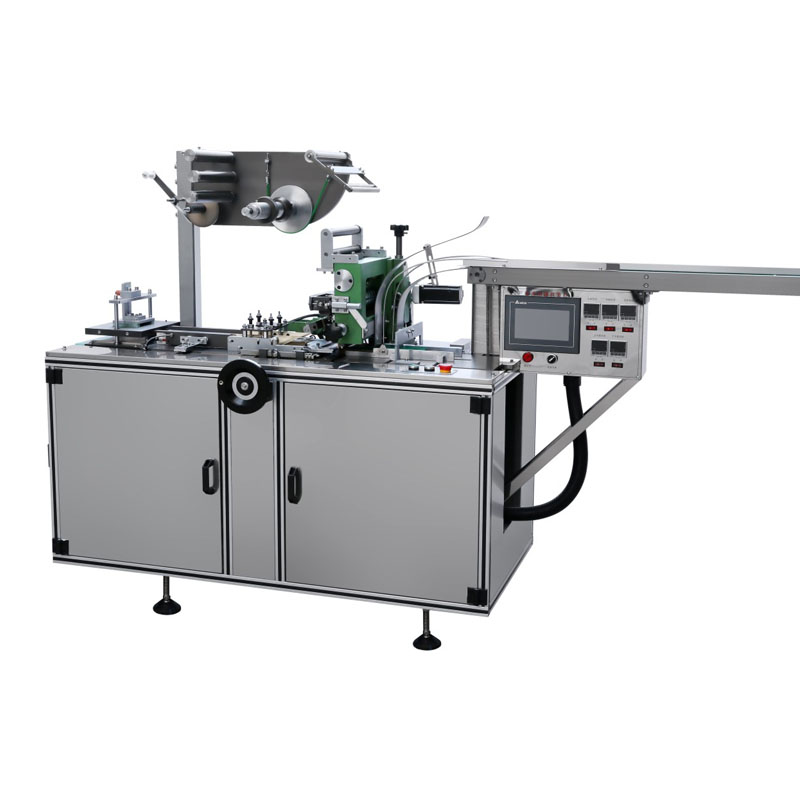
Selecting the right cellophane overwrapping machine is critical for businesses that depend on consistent, professional product sealing. A quality cellophane overwrapping machine ensures your products maintain their integrity, appearance, and shelf life while enhancing brand presentation. The choice of which cellophane overwrapping machine to invest in can significantly impact your production efficiency, material costs, and customer satisfaction. Understanding the key features and specifications of a cellophane overwrapping machine helps you make an informed decision that aligns with your operational needs and budget.
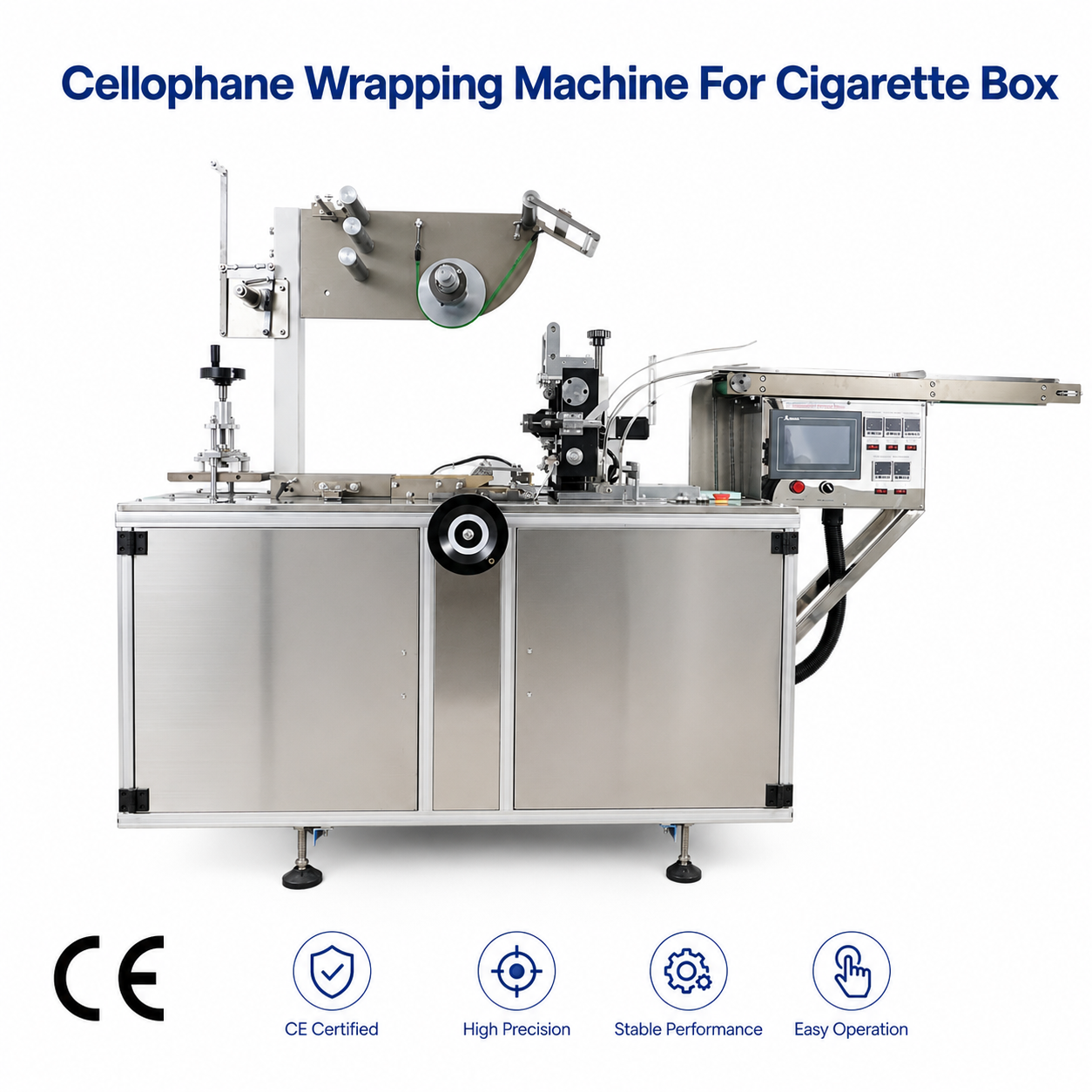
The cellophane overwrapping machine market offers numerous options, each designed for different production scales and product types. Whether you operate a small-scale packaging facility or a large industrial operation, finding a cellophane overwrapping machine that matches your specific requirements is essential. This guide walks you through the critical factors to evaluate when choosing a cellophane overwrapping machine, ensuring your investment delivers long-term value and reliable performance.
Understanding Your Production Requirements
Assessing Output Capacity and Speed
Before evaluating specific models, determine the output capacity your operation needs from a cellophane overwrapping machine. Production speed is measured in packages per minute, and different cellophane overwrapping machine models range from manual units producing 20 packages per hour to fully automated systems exceeding 150 packages per minute. Analyze your current demand and projected growth to choose a cellophane overwrapping machine with adequate capacity headroom. Oversizing your cellophane overwrapping machine wastes capital, while undersizing creates bottlenecks that reduce efficiency and increase per-unit costs.
Product Size and Material Compatibility
The dimensions and material of your products directly influence which cellophane overwrapping machine model suits your operation. A cellophane overwrapping machine must accommodate your product's length, width, and thickness within its design parameters. Different products—cigarettes, confectionery, pharmaceuticals, or cosmetics—require a cellophane overwrapping machine with tailored feed systems and sealing mechanisms. Verify that your chosen cellophane overwrapping machine supports the specific cellophane gauge and material type you plan to use, as incompatibility compromises seal quality and production efficiency.
Key Technical Features to Evaluate
Sealing Mechanism and Durability Performance
The sealing quality of your cellophane overwrapping machine directly determines product protection and shelf appeal. Examine whether the cellophane overwrapping machine uses heat sealing, impulse sealing, or combination methods to create reliable, water-tight seals. Test the cellophane overwrapping machine's seal consistency across various operating conditions to verify durability under temperature fluctuations and humidity changes. A robust cellophane overwrapping machine maintains uniform seal strength throughout production runs, preventing premature package failure and customer complaints. Request performance certifications or test data from manufacturers to validate that a cellophane overwrapping machine meets your durability standards.
Automation Level and Operational Flexibility
Modern cellophane overwrapping machine systems range from semi-automatic to fully automated models, each offering different control levels and operator requirements. A fully automated cellophane overwrapping machine minimizes labor costs and human error while maintaining consistent output quality. Semi-automatic cellophane overwrapping machine options provide cost savings if your production volume is lower or product mix requires frequent changeovers. Evaluate the cellophane overwrapping machine's control interface—touchscreen, programmable logic controller (PLC), or mechanical adjustment—to ensure operators can adapt quickly to product changes and troubleshoot issues efficiently.
Practical Selection and Integration Considerations
Maintenance Requirements and Total Cost of Ownership
The long-term cost of a cellophane overwrapping machine extends beyond purchase price to include maintenance, spare parts, and downtime expenses. Select a cellophane overwrapping machine from manufacturers known for reliable components and readily available replacement parts in your region. Review the cellophane overwrapping machine's maintenance schedule and compare labor costs across different models. A well-designed cellophane overwrapping machine incorporates accessible adjustment points, modular components, and self-diagnostic features that reduce troubleshooting time. Factor in training costs for your operators, as some cellophane overwrapping machine models require specialized knowledge to optimize performance.
Integration with Existing Production Lines
Your new cellophane overwrapping machine must integrate seamlessly with upstream and downstream equipment in your packaging line. Verify that the cellophane overwrapping machine accepts feed from your current product conveyors and connects to downstream labeling, boxing, or palletizing systems without requiring extensive modifications. Confirm electrical and pneumatic specifications match your facility's infrastructure, as retrofitting a cellophane overwrapping machine to incompatible systems increases project costs and delays implementation. Collaborate with the cellophane overwrapping machine manufacturer's technical team to ensure proper sizing, spacing, and control synchronization throughout your integrated packaging operation.
FAQ
What is the typical price range for a quality cellophane overwrapping machine?
The cost of a cellophane overwrapping machine varies widely based on automation level, production capacity, and build quality. Semi-automatic cellophane overwrapping machine systems typically start between $15,000 and $40,000, while fully automated industrial-grade models range from $50,000 to $200,000 or more. Budget allocation should include not only the machine purchase but also installation, training, and initial spare parts inventory to ensure uninterrupted operation from day one.
How long does a cellophane overwrapping machine typically last before replacement is needed?
A well-maintained cellophane overwrapping machine can operate reliably for 10 to 15 years in typical industrial environments. Proper maintenance, including regular cleaning, component lubrication, and timely replacement of wear parts like sealing elements and feed rollers, extends the cellophane overwrapping machine lifespan significantly. Monitoring operational data and addressing performance degradation early prevents major failures that could necessitate premature replacement of your cellophane overwrapping machine investment.
Can a cellophane overwrapping machine handle multiple product sizes without extensive reconfiguration?
Many modern cellophane overwrapping machine models feature quick-change toolkits that enable relatively fast conversion between product sizes. However, the time required depends on the cellophane overwrapping machine's design and the degree of size variation between products. Advanced cellophane overwrapping machine systems with modular components can change configurations in minutes, while others may require 30 minutes to an hour. When evaluating a cellophane overwrapping machine, ask manufacturers about changeover time and ease of adjustment to assess suitability for product-mix flexibility in your operation.