
 EN


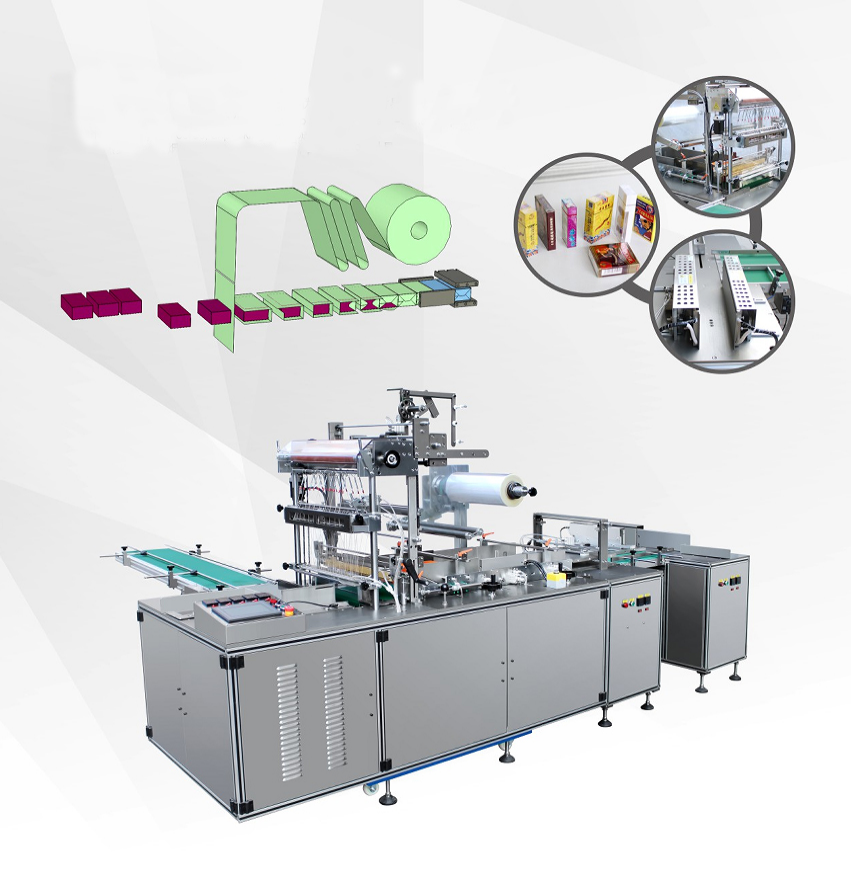
In today's competitive manufacturing landscape, production efficiency directly impacts profitability and market competitiveness. An overwrapping machine represents a strategic investment that transforms how businesses handle product packaging. By automating the wrapping process, manufacturers can significantly reduce cycle times, minimize material waste, and enhance overall operational performance. The demand for faster, more consistent packaging solutions has made the overwrapping machine an essential tool across pharmaceuticals, cosmetics, food and beverage, and consumer goods industries.
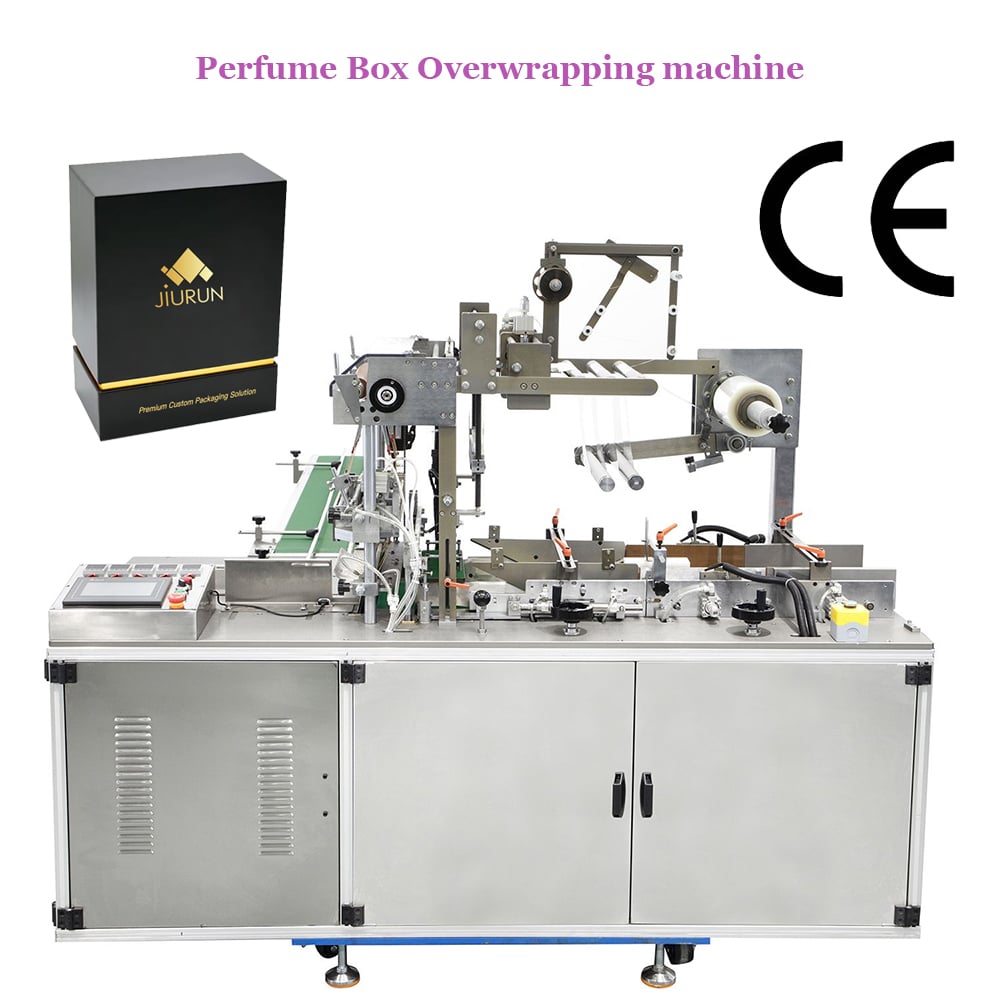
Understanding how an overwrapping machine operates and delivers measurable efficiency gains is crucial for production managers evaluating packaging automation options. The technology behind modern overwrapping solutions has evolved dramatically, offering precision, flexibility, and scalability that manual processes simply cannot match. Organizations that integrate an overwrapping machine into their production workflows typically experience reduced labor dependency, faster product throughput, and improved consistency in packaging quality. This article explores the concrete ways an overwrapping machine enhances production efficiency and why manufacturers should prioritize this automation solution.
How Overwrapping Machines Accelerate Production Speed
Automated Wrapping Process and Throughput Gains
An overwrapping machine performs repetitive wrapping tasks at speeds far exceeding manual labor capabilities. Traditional hand-wrapping processes are labor-intensive and subject to human variability, whereas an overwrapping machine maintains consistent cycle times regardless of shift duration or worker fatigue. Modern overwrapping machine models can process hundreds of units per hour, directly translating to higher daily production volumes. This speed advantage becomes especially valuable during peak demand periods when manufacturers need to meet tight delivery schedules without compromising quality. By removing the bottleneck of manual wrapping, an overwrapping machine enables production lines to operate at full capacity without delays.
Reduction in Production Cycle Time
Every second saved in the packaging phase cascades through the entire production timeline. An overwrapping machine eliminates time spent on manual wrapping tasks, allowing operators to focus on quality control and line monitoring instead. Because an overwrapping machine operates continuously without fatigue-related slowdowns, total production cycle time decreases substantially compared to manual alternatives. For businesses producing seasonal products or responding to sudden market demand spikes, this acceleration capability provides a competitive advantage. The time savings achieved by deploying an overwrapping machine directly translate to faster market delivery and improved customer satisfaction metrics.
Cost Reduction Through Labor Optimization and Material Efficiency
Decreased Labor Costs and Workforce Requirements
Labor represents one of the largest variable expenses in manufacturing, particularly in labor-intensive wrapping operations. An overwrapping machine dramatically reduces the number of workers required for packaging tasks, reallocating human resources to higher-value activities such as product inspection, machine maintenance, or quality assurance. The initial capital investment in an overwrapping machine is typically offset within 18 to 36 months through cumulative labor savings. Organizations deploying an overwrapping machine experience reduced payroll expenses, lower training requirements, and decreased supervisory overhead. This labor optimization creates immediate bottom-line improvements while improving workplace safety by removing workers from repetitive, physically demanding tasks.
Material Waste Reduction and Cost Savings
Manual wrapping processes often result in excessive material consumption due to operator inconsistency and learning curve inefficiencies. An overwrapping machine applies wrapping material with precise measurements and minimal waste, reducing per-unit packaging costs significantly. Advanced overwrapping machine models include material tension controls and measurement systems that ensure optimal material usage on every unit processed. Over large production runs, the cumulative savings from reduced material waste add substantial value beyond labor reductions. An overwrapping machine essentially optimizes packaging material consumption, creating environmental benefits alongside financial advantages. This efficiency extends the lifespan of material inventory and reduces disposal costs associated with packaging waste.
Quality Consistency and Enhanced Product Presentation
Uniform Packaging Quality and Brand Consistency
Consumer perception of product quality begins with packaging presentation, making consistent wrapping essential for brand reputation. An overwrapping machine delivers identical wrapping appearance across every unit, eliminating the variability inherent in manual processes. Each product wrapped by an overwrapping machine meets the same tension specifications, overlap measurements, and surface finish, creating a polished, professional appearance that reinforces brand value. This consistency becomes particularly critical for premium product lines where packaging quality directly influences purchasing decisions. An overwrapping machine ensures that every unit leaving the production line meets exacting quality standards, strengthening customer confidence and reducing returns related to packaging defects.
Improved Product Protection and Shelf Appeal
Beyond aesthetics, an overwrapping machine applies protective wrapping with optimal tension and coverage, safeguarding products during transportation and storage. Inconsistent manual wrapping can leave portions of the product exposed to environmental damage, moisture, or contamination. An overwrapping machine applies wrapping materials uniformly, ensuring complete product protection from manufacturing through retail shelves. This improved protection reduces damage claims, returns, and inventory losses associated with improperly wrapped products. Additionally, the professional appearance created by an overwrapping machine enhances shelf appeal, positively influencing consumer purchasing behavior at point-of-sale locations. The combination of improved protection and visual consistency directly contributes to reduced waste and increased sales per production run.
Scalability and Operational Flexibility for Growing Manufacturers
Production Capacity Expansion Without Proportional Cost Increases
Growing manufacturers face the challenge of increasing production capacity while controlling costs and maintaining quality standards. An overwrapping machine provides scalability that manual processes cannot achieve without proportional increases in workforce size. When demand increases, an overwrapping machine can operate extended shifts or multiple parallel lines with minimal additional staffing requirements. This scalability enables manufacturers to respond rapidly to market opportunities without the lag time required to recruit, train, and onboard additional wrapping operators. An overwrapping machine essentially decouples production capacity from labor availability, providing the flexibility manufacturers need to pursue aggressive growth strategies. The capital investment in an overwrapping machine remains constant regardless of production volume increases, making the per-unit cost of wrapping even more favorable at higher volumes.
Equipment Adaptability to Product Variations and Custom Requirements
Modern overwrapping machine models offer programmable controls and adjustable parameters that accommodate diverse product sizes, shapes, and wrapping material types. An overwrapping machine can transition between different product configurations with minimal downtime, enabling manufacturers to produce multiple product lines on a single machine. This versatility eliminates the need for separate wrapping equipment for each product variant, reducing capital expenditures and equipment maintenance costs. An overwrapping machine equipped with intuitive controls allows operators to reprogram specifications quickly, supporting just-in-time production strategies and custom order fulfillment. The adaptability of modern overwrapping machine technology makes it an ideal investment for manufacturers serving diverse customer bases or producing seasonal product variations.
FAQ
What is the typical return on investment for an overwrapping machine?
Most manufacturers achieve positive return on investment from an overwrapping machine within 18 to 36 months, depending on production volume and labor cost structure. The payback period accelerates as production volume increases because the fixed capital cost is distributed across more units. An overwrapping machine operating at higher throughput volumes generates faster cumulative labor savings and material cost reductions, shortening the breakeven timeline considerably.
Can an overwrapping machine handle different product sizes and wrapping materials?
Yes, modern overwrapping machine models feature programmable controls and adjustable parameters that accommodate various product dimensions and wrapping material types. An overwrapping machine can transition between different configurations relatively quickly, making it suitable for manufacturers producing multiple product lines. However, some specialized overwrapping machine equipment may require brief changeover time when switching between significantly different product categories.
How does an overwrapping machine improve product protection during shipping?
An overwrapping machine applies wrapping materials with consistent tension and complete coverage, protecting products from moisture, dust, and physical damage during transportation. The precise wrapping applied by an overwrapping machine creates a protective barrier superior to manual wrapping, reducing damage claims and inventory loss. This improved protection directly reduces the total cost of goods sold and enhances customer satisfaction through products arriving in perfect condition.