
 EN


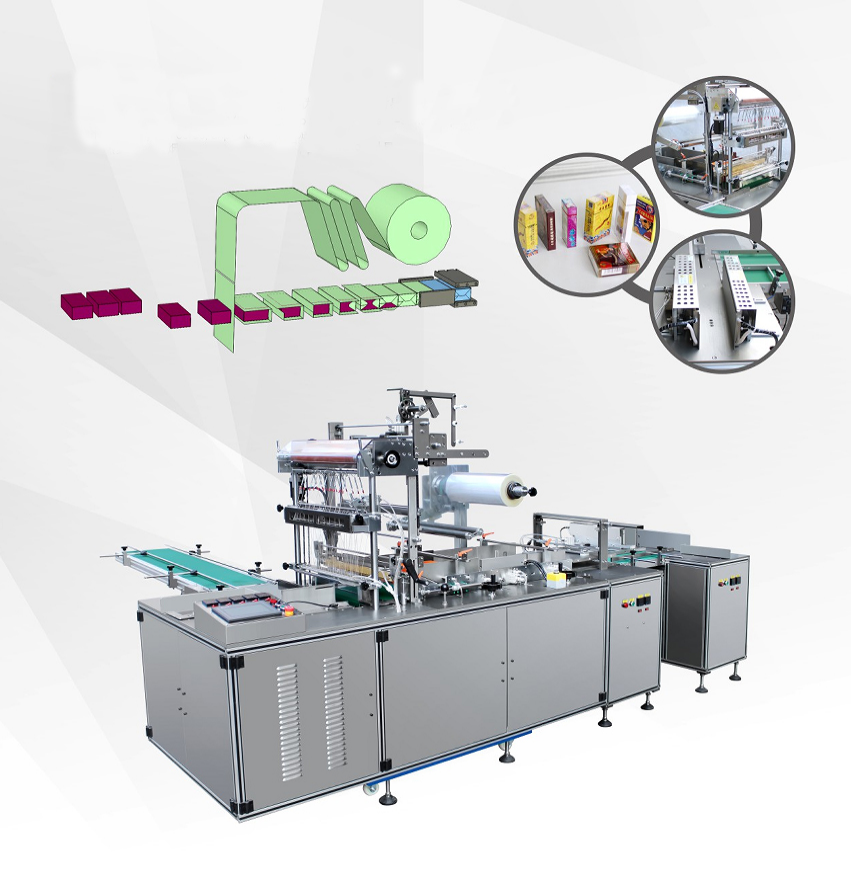
Selecting the right overwrapping machine is one of the most critical investment decisions for any packaging operation. Whether you run a small cosmetics line, a perfume distributor, or a large-scale production facility, your choice of overwrapping machine will directly impact your operational efficiency, product quality, and bottom-line profitability. The challenge lies not in finding an overwrapping machine, but in identifying which overwrapping machine truly aligns with your current budget constraints and anticipated production scale.
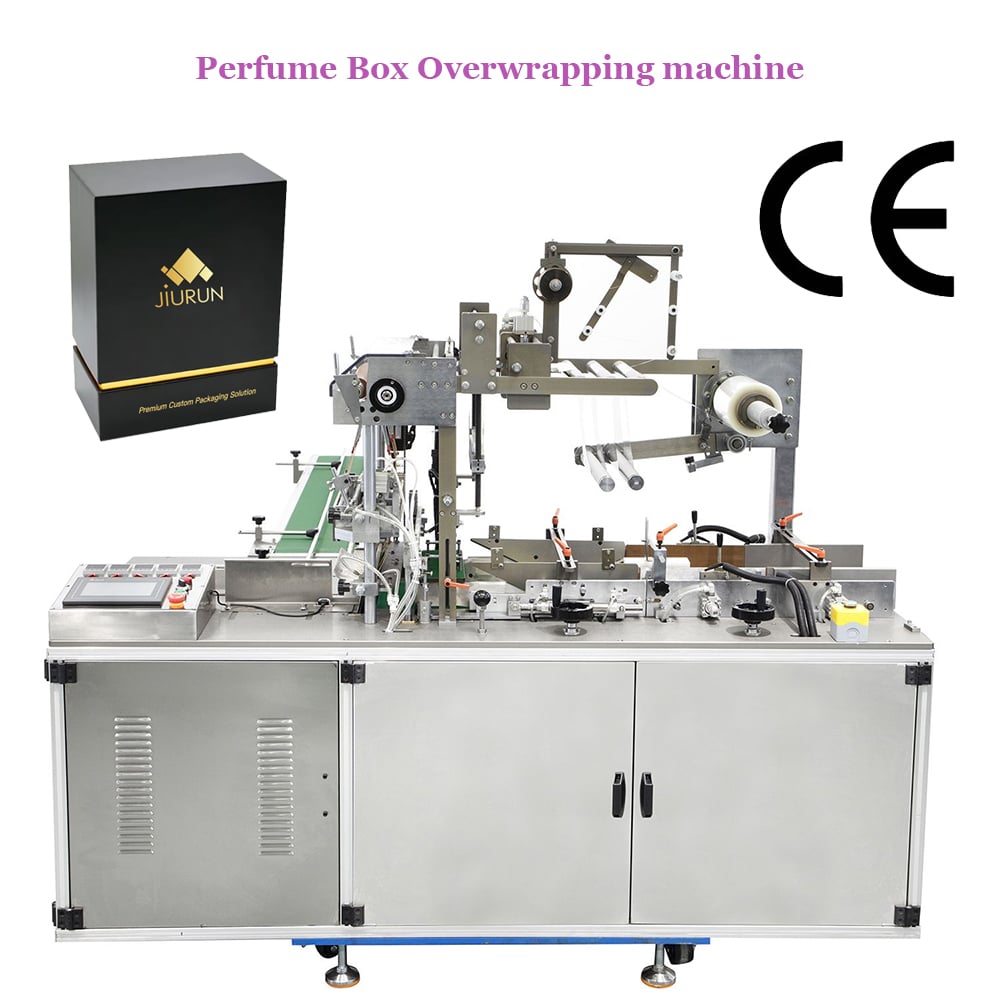
The process of choosing an overwrapping machine requires careful analysis of your production demands, available capital, and growth trajectory. Many businesses rush into purchasing decisions without fully understanding how different machine specifications, automation levels, and price points affect long-term value. This guide walks you through the essential factors that should inform your overwrapping machine selection, helping you avoid costly mistakes and ensure you invest in equipment that scales with your business.
Understanding Your Production Capacity Needs
Assessing Current and Projected Volume
Before evaluating specific models, you must honestly assess your production volume both today and in the coming years. An overwrapping machine designed for 20 units per minute will become a bottleneck if your business grows to require 60 units per minute. Conversely, investing in a high-speed overwrapping machine when you only need 10 units per minute wastes capital and floor space. Start by calculating your daily, monthly, and annual production requirements based on actual sales data or conservative market projections. Your overwrapping machine capacity should comfortably handle peak demand with a reasonable buffer, typically 20 to 30 percent above your maximum anticipated volume.
Matching Machine Speed to Market Demands
Overwrapping machine specifications vary dramatically in terms of output speed. Entry-level semi-automatic models typically handle 15 to 30 items per minute, while mid-range automatic overwrapping machine units process 40 to 80 items per minute, and premium industrial-grade overwrapping machine equipment can exceed 150 items per minute. Your chosen overwrapping machine speed should match your target throughput without excessive idle capacity. If you operate multiple shifts or plan to introduce new product lines, your overwrapping machine may need to handle higher volumes than your current baseline. Communicate directly with equipment suppliers about your anticipated growth so they recommend an overwrapping machine with appropriate headroom for expansion.
Budget Alignment and Total Cost of Ownership
Initial Capital Investment Considerations
The purchase price of an overwrapping machine represents only a fraction of your total investment. Budget constraints often dictate whether you can afford a fully automatic overwrapping machine or must start with a semi-automatic overwrapping machine solution. A basic overwrapping machine may cost between fifteen and fifty thousand dollars, while a sophisticated automatic overwrapping machine system can range from eighty thousand to several hundred thousand dollars depending on speed, features, and customization. Beyond the machine itself, factor in installation, operator training, spare parts inventory, and maintenance contracts when calculating true cost. When comparing an overwrapping machine from different suppliers, request itemized quotes that break down equipment cost, shipping, installation labor, and ongoing support fees so you understand the true overwrapping machine investment required.
Evaluating Long-Term Operational Expenses
An overwrapping machine that appears affordable upfront may drain your budget through escalating maintenance, energy consumption, and operator labor. Calculate the annualized cost of operating your prospective overwrapping machine by estimating electricity usage, film and material waste, preventive maintenance, unplanned repairs, and staffing requirements. A well-designed automatic overwrapping machine typically reduces per-unit labor costs despite higher capital expenditure, making it economically superior for high-volume operations. Conversely, a semi-automatic overwrapping machine may be optimal for lower volumes where the reduced equipment cost justifies increased manual labor. Request performance data and case studies from the overwrapping machine manufacturer showing how similar businesses have achieved return on investment timelines within three to five years.
Customization, Support, and Scalability Features
Film Type Compatibility and Product Flexibility
Not every overwrapping machine handles every film type and product dimension equally well. Your overwrapping machine must reliably process the specific films, box sizes, and materials your business uses or plans to introduce. Polypropylene, cellophane, and polyethylene films have different handling characteristics, and your overwrapping machine should be optimized for your primary material while retaining flexibility for variants. Before committing to an overwrapping machine purchase, request demonstration runs using your actual packaging materials and product samples. Test whether the overwrapping machine accurately wraps your product geometry, seals film edges cleanly, and minimizes waste. An overwrapping machine that cannot accommodate your product specifications creates frustration and additional costs, so this compatibility verification is non-negotiable.
Supplier Support and Upgrade Pathways
Choosing an overwrapping machine is ultimately about choosing a long-term supplier partnership. Select a vendor that provides responsive technical support, maintains spare parts inventory, offers operator training, and publishes clear maintenance schedules. Your overwrapping machine represents a substantial asset, and you deserve supplier confidence and transparency. Ask potential vendors about their track record with existing customers and request direct references you can contact. Inquire whether your overwrapping machine can be upgraded or retrofitted with faster components, enhanced controls, or advanced features as your business evolves. A supplier willing to support your growth with modular overwrapping machine improvements demonstrates commitment beyond the initial sale and protects your equipment investment from premature obsolescence.
Decision Factors and Implementation Considerations
Space Requirements and Installation Logistics
Physical footprint and integration requirements significantly influence which overwrapping machine you ultimately select. A compact overwrapping machine may fit existing production layouts, while a larger system might require facility modifications, electrical upgrades, or conveyor system additions. Measure your available floor space carefully and request detailed dimension specifications from your overwrapping machine provider. Consider how the overwrapping machine will integrate with upstream product handling and downstream packaging operations. Will your overwrapping machine connect directly to other equipment via conveyors, or will staff manually load and unload items? These logistical details affect both the purchase price and operational efficiency of your chosen overwrapping machine, so address them before finalizing your decision.
Regulatory Compliance and Industry Standards
Depending on your industry, your overwrapping machine may need to meet specific regulatory requirements or quality certifications. Pharmaceutical, cosmetic, and food-grade overwrapping machine applications often require machines certified for product safety, sanitation, and traceability compliance. Verify that your prospective overwrapping machine meets all applicable regulations in your jurisdiction and for your target markets. Ask the vendor for compliance documentation, certifications, and their quality assurance processes. Selecting an overwrapping machine that already meets your regulatory requirements avoids costly retrofits later and ensures your packaged products comply with industry standards from day one.
FAQ
What overwrapping machine speed should my business target?
Your overwrapping machine speed should align with your production volume and growth projections. Calculate your peak hourly output requirements, then select an overwrapping machine with capacity 20 to 30 percent above that figure. For small operations producing under 500 units daily, a semi-automatic overwrapping machine at 20 to 40 items per minute typically suffices. Mid-market businesses running multiple shifts benefit from automatic overwrapping machine systems operating at 60 to 100 items per minute. Large-scale operations should invest in high-speed industrial overwrapping machine equipment exceeding 120 items per minute. Consult with the overwrapping machine supplier about your specific throughput targets to ensure proper equipment sizing.
Can I start with a semi-automatic overwrapping machine and upgrade later?
Many businesses successfully begin with a semi-automatic overwrapping machine to validate market demand and manage initial capital risk, then transition to an automatic overwrapping machine as production volumes justify the investment. A semi-automatic overwrapping machine typically costs significantly less and requires minimal facility modifications, making it an excellent starting point. However, verify with your potential overwrapping machine supplier whether a semi-automatic model can be upgraded or whether you would need to purchase entirely new equipment. Some suppliers offer modular overwrapping machine designs supporting gradual automation, while others require complete replacement. Understanding this upgrade pathway before your initial purchase prevents stranded investments and allows strategic scaling of your overwrapping machine capability.
How do I calculate the return on investment for an overwrapping machine?
Calculate your overwrapping machine return on investment by dividing the total installed cost by your annual net savings in labor and material efficiency. If your overwrapping machine costs one hundred thousand dollars and generates forty thousand dollars in annual savings through reduced labor costs and material waste, your payback period is 2.5 years. Factor in energy consumption, maintenance contracts, and film material costs when calculating total annual operating expenses. Compare these costs against your current manual or less efficient overwrapping machine operation to identify genuine savings. Most well-selected overwrapping machine investments achieve payback within two to four years, with additional years of profit generation afterward. Request the overwrapping machine vendor provide performance benchmarks from similar businesses to validate realistic return projections before committing funds.