
 EN
EN



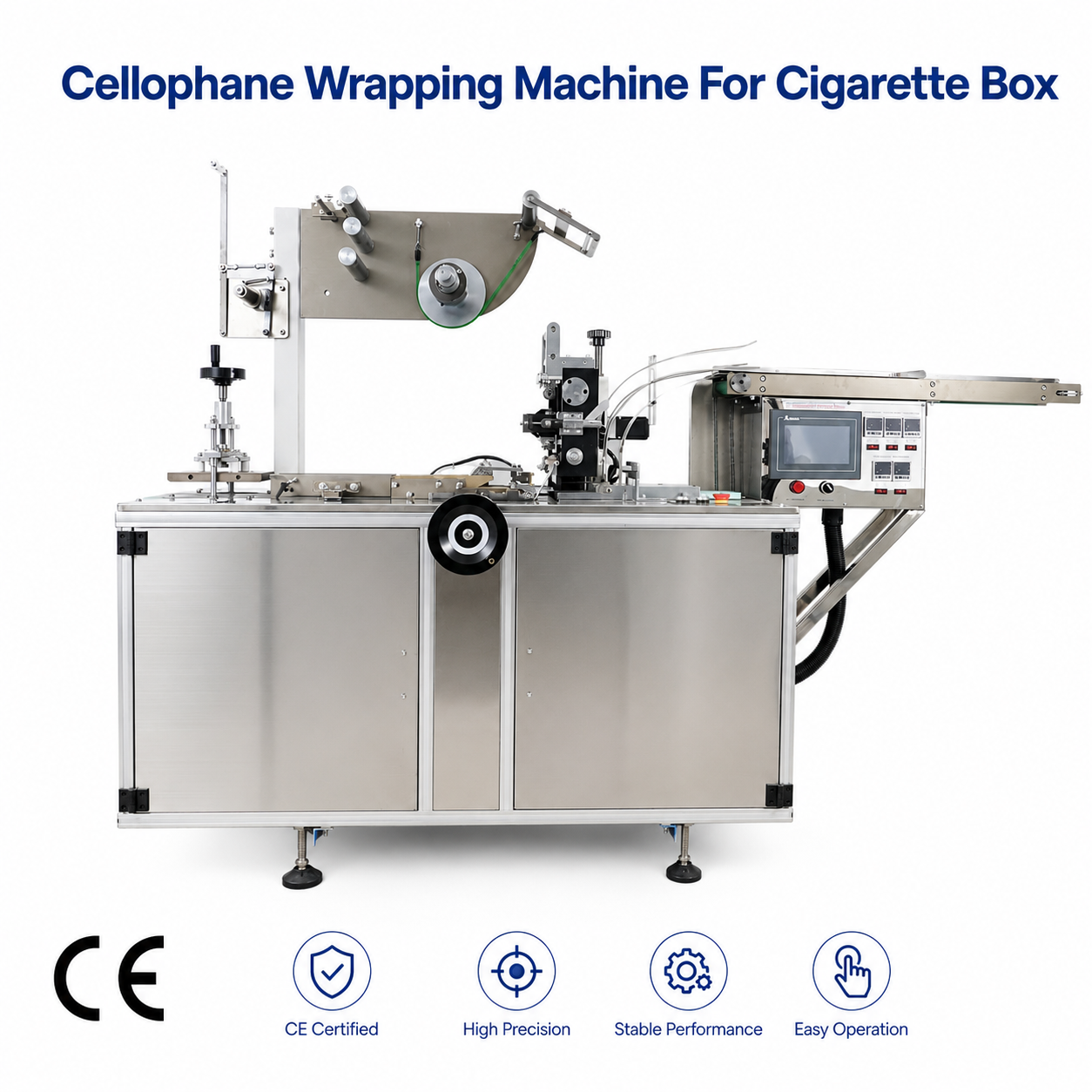
Choosing the right cellophane wrapping machine is one of the most consequential decisions a packaging line manager will make. The wrong choice leads to persistent film tears, misaligned seals, wasted material, and costly downtime. With so many configurations available, from semi-automatic entry models to fully integrated automatic systems, understanding the exact criteria that define a well-matched cellophane wrapping machine is essential before any purchase commitment is made.
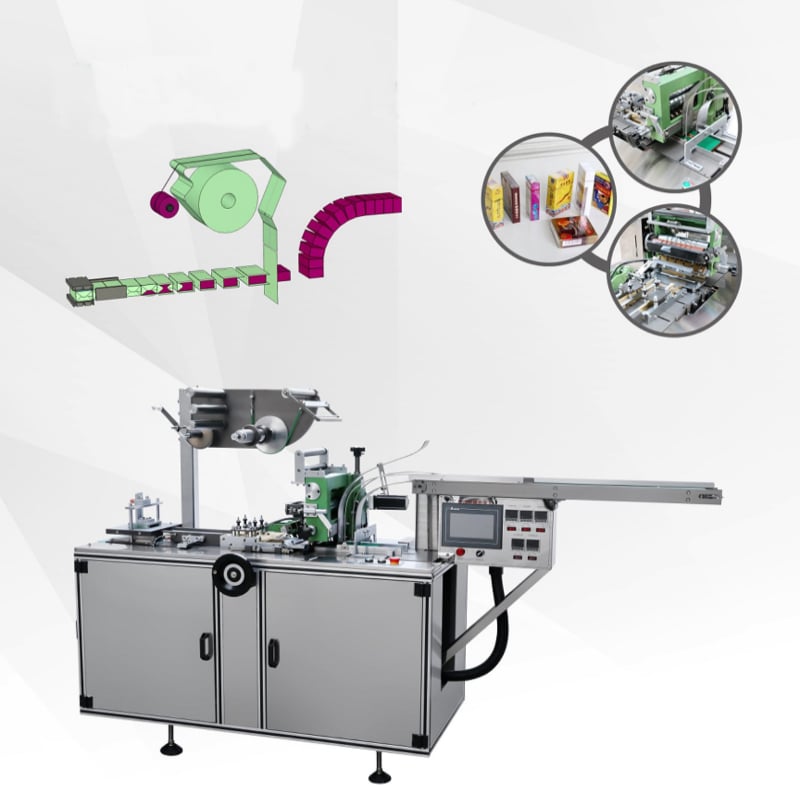
A cellophane wrapping machine does far more than encase a product in transparent film. It determines presentation quality, tamper-evidence integrity, and the efficiency of your entire downstream packaging process. This guide walks through the key selection criteria so your team can evaluate each cellophane wrapping machine candidate against your real production requirements rather than relying on sales specifications alone.
Understanding Your Production Requirements First
Output Speed and Volume Targets
Before comparing any cellophane wrapping machine on the market, define your required output in units per minute. A cellophane wrapping machine rated at 40 packs per minute will perform very differently under sustained production compared to one rated at 80 packs per minute. Always evaluate whether the rated speed of a cellophane wrapping machine is achievable under real-world conditions, including film changeovers, minor jams, and operator interaction. Oversizing or undersizing a cellophane wrapping machine relative to your throughput target creates either unnecessary capital expense or a bottleneck that limits your entire line.
Product Dimensions and Shape Variability
The geometry of your product directly determines which cellophane wrapping machine format is suitable. A cellophane wrapping machine designed for uniform rectangular boxes will not handle cylindrical containers or irregular shapes without significant modification. If your line runs multiple SKUs with different dimensions, prioritize a cellophane wrapping machine that offers rapid size-change tooling and programmable format memory. The more flexible a cellophane wrapping machine is in accommodating shape variation, the lower your total cost of ownership over a multi-product line.
Key Technical Criteria for Efficiency Evaluation
Sealing System and Film Compatibility
The sealing mechanism is the heart of any cellophane wrapping machine. A cellophane wrapping machine using a side-sealing and end-fold system provides clean, professional presentation suitable for retail-facing products such as cosmetics, confectionery, and pharmaceutical boxes. Confirm that the cellophane wrapping machine you are evaluating is compatible with the specific film gauge and type you intend to use. Not all cellophane wrapping machine models handle both standard cellophane film and newer biodegradable or moisture-barrier film variants equally well. Ask suppliers for film compatibility documentation specific to each cellophane wrapping machine model before testing.
Sealing temperature control is another critical factor. A cellophane wrapping machine with precise temperature regulation produces consistent seals across long production runs and adapts more easily to seasonal or facility temperature variation. Inconsistent sealing is a leading cause of rework on any cellophane wrapping machine, so this technical detail is worth scrutinizing carefully during any factory acceptance test.
Automation Level and Integration Readiness
The automation level of a cellophane wrapping machine must align with both your labor model and your downstream integration needs. A semi-automatic cellophane wrapping machine reduces capital cost but demands consistent operator presence and manual feeding. A fully automatic cellophane wrapping machine integrates directly with upstream product conveyors and downstream case-packing equipment, making it the preferred choice for high-volume lines. When assessing integration readiness, verify whether the cellophane wrapping machine offers standardized communication interfaces such as Ethernet or PLC-compatible signals, which allow your line control system to synchronize the cellophane wrapping machine with other machines seamlessly.
An automatic cellophane wrapping machine also reduces the variability introduced by operator fatigue. Over a full production shift, a consistent automatic cellophane wrapping machine will produce far fewer rejects than a semi-automatic cellophane wrapping machine running at the same nominal speed. This quality consistency is a direct contributor to overall line efficiency and should be factored into any ROI calculation when selecting a cellophane wrapping machine.
Maintenance, Support, and Long-Term Efficiency
Mechanical Accessibility and Spare Parts Availability
A cellophane wrapping machine that is difficult to maintain will accumulate hidden costs quickly. Evaluate how easily your technicians can access the main sealing bars, drive belts, and film path components on any candidate cellophane wrapping machine. A well-designed cellophane wrapping machine should allow routine maintenance tasks such as blade replacement and sensor cleaning to be completed in under thirty minutes. Confirm that spare parts for the cellophane wrapping machine are stocked locally or can be shipped within an acceptable lead time. Supply chain delays for critical components can bring a well-performing cellophane wrapping machine to a standstill at the worst possible moment.
Supplier Technical Support and Training Quality
Even the most reliable cellophane wrapping machine will occasionally require technical intervention. The quality of post-sale support from your cellophane wrapping machine supplier is therefore a direct component of machine efficiency. Evaluate whether the supplier provides remote diagnostics for the cellophane wrapping machine, on-site commissioning support, and structured operator training. A cellophane wrapping machine supported by a responsive technical team will return to optimal performance faster after any issue. Request references from existing customers who operate the same cellophane wrapping machine model under similar production conditions to get a realistic picture of support quality.
FAQ
What output speed should I expect from an automatic cellophane wrapping machine?
Most automatic cellophane wrapping machine models operate between 40 and 120 packs per minute depending on product size and film type. The actual sustained speed of a cellophane wrapping machine in your facility may be slightly lower than the rated maximum due to line stoppages and changeovers. Always verify real-world throughput data with the supplier before committing to a cellophane wrapping machine for your line.
Can one cellophane wrapping machine handle multiple product sizes?
Yes, many modern cellophane wrapping machine models offer multi-format capability through adjustable guides, programmable PLC settings, and quick-change tooling. The time required to switch formats on a cellophane wrapping machine varies by design. A cellophane wrapping machine with stored format programs can reduce changeover time significantly, which improves overall line efficiency when running diverse product ranges.
How do I evaluate the total cost of a cellophane wrapping machine beyond the purchase price?
The true cost of a cellophane wrapping machine includes film consumption rate, maintenance frequency, spare parts pricing, energy consumption, and the labor hours required to operate and maintain it. A cellophane wrapping machine with a lower purchase price but high film waste or frequent breakdowns will cost more over its lifetime than a higher-priced cellophane wrapping machine with proven reliability. Build a full lifecycle cost model for each cellophane wrapping machine you are considering before making a final decision.