
 EN
EN


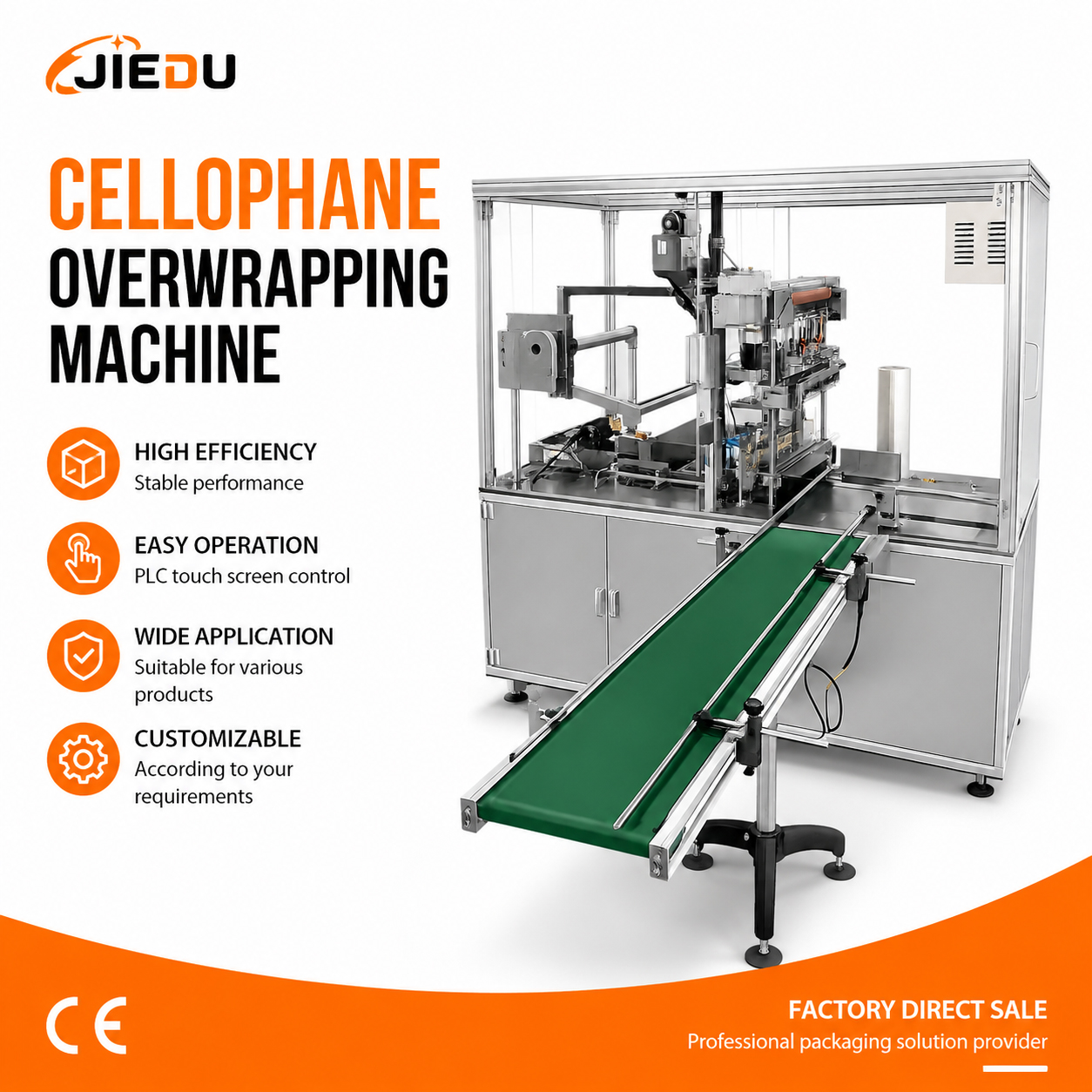
In modern industrial packaging environments, choosing the right equipment has a direct impact on productivity, product presentation, and operational cost. The cellophane wrapping machine has become one of the most valued pieces of equipment across food, cosmetics, pharmaceutical, and consumer goods industries. Its ability to deliver consistent, high-quality wrapping at speed makes it a practical investment for manufacturers who want to stay competitive.
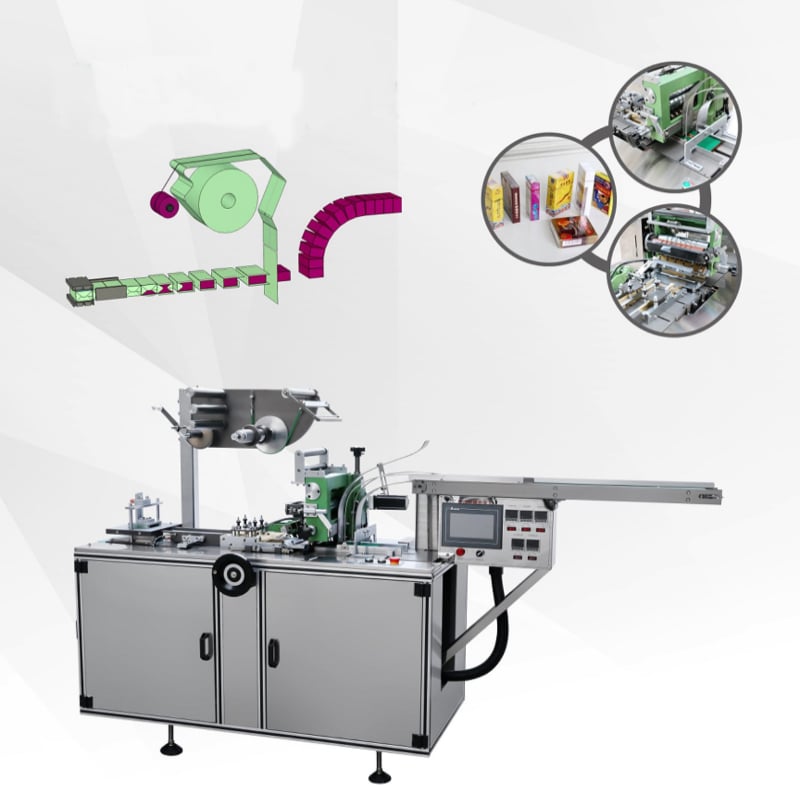
Understanding what a cellophane wrapping machine actually delivers in a real production setting helps decision-makers justify the investment and plan their packaging lines effectively. This article explores the key benefits that industrial operators experience when deploying a cellophane wrapping machine, from protection and presentation to throughput and cost control.
Product Protection and Presentation Advantages
Superior Barrier Properties for Product Integrity
One of the most significant benefits of using a cellophane wrapping machine is the protective barrier it creates around each product. Cellophane film is resistant to moisture, dust, and contaminants, which is especially important for food products, cosmetics, and pharmaceuticals. When a cellophane wrapping machine seals a product tightly, it reduces the risk of spoilage, tampering, and environmental damage during transit and storage. This level of protection directly supports product shelf life and customer satisfaction.
A properly configured cellophane wrapping machine applies consistent tension and heat sealing to ensure that every package maintains its protective seal. Unlike manual wrapping methods, which vary from operator to operator, a cellophane wrapping machine applies the same controlled process to every unit. This consistency is critical in regulated industries where packaging integrity is subject to compliance standards.
Enhanced Visual Appeal on Retail Shelves
Beyond protection, a cellophane wrapping machine delivers a high-gloss, transparent finish that enhances product visibility and brand perception. Consumers can see the product clearly through the film, which builds trust and supports purchase decisions at the point of sale. The tight, wrinkle-free wrap produced by a cellophane wrapping machine gives products a premium appearance that reflects well on the brand. In competitive retail environments, this visual differentiation is not a minor detail — it can meaningfully influence buying behavior.
Operational Efficiency and Production Speed
Higher Throughput Compared to Manual Wrapping
An industrial cellophane wrapping machine is engineered to handle high-volume production demands without sacrificing wrap quality. A typical automatic cellophane wrapping machine can process hundreds of units per minute, far exceeding what any manual workforce could achieve at comparable quality levels. When manufacturers scale up output, a cellophane wrapping machine absorbs that increase without proportional increases in labor cost. This scalability is one of the clearest operational advantages of deploying a cellophane wrapping machine on a production line.
Operators who previously relied on semi-manual packaging stations consistently report reduced cycle times and improved line balance after integrating a cellophane wrapping machine. The reduction in bottlenecks at the packaging stage allows upstream production processes to run at full capacity. A cellophane wrapping machine therefore contributes not just to its own station efficiency, but to the overall throughput of the entire facility.
Reduced Labor Dependency and Human Error
Manual packaging is inherently inconsistent and labor-intensive. A cellophane wrapping machine replaces or significantly reduces the need for manual wrapping operators, freeing human resources for higher-value tasks such as quality inspection, machine monitoring, and logistics. Because a cellophane wrapping machine operates on programmed parameters, it eliminates the variation introduced by human fatigue, attention lapses, or skill differences. This reduction in human error translates directly into fewer rejected packages, lower rework rates, and better use of raw film materials.
Cost Efficiency and Long-Term ROI
Lower Packaging Material Waste
A well-calibrated cellophane wrapping machine minimizes film waste by cutting precisely to the dimensions required for each product. In contrast, manual wrapping tends to use excess film to ensure coverage, leading to unnecessary material consumption. Over a full production year, the film savings generated by a cellophane wrapping machine can represent a meaningful reduction in material costs. For high-volume operations, the savings from a cellophane wrapping machine easily offset the initial capital investment within a predictable payback period.
Modern cellophane wrapping machine models also support a range of film widths and thicknesses, allowing operators to optimize material selection based on product type and cost targets. This flexibility ensures that a cellophane wrapping machine continues to deliver cost value even as product lines evolve or packaging requirements change.
Maintenance Design and Operational Longevity
Industrial-grade cellophane wrapping machine models are built for continuous-duty operation, with robust mechanical components designed to handle demanding production schedules. The total cost of ownership of a cellophane wrapping machine includes not only the purchase price but also energy consumption, maintenance frequency, and spare parts availability. Leading cellophane wrapping machine designs prioritize ease of cleaning, quick film changeover, and modular component replacement, all of which contribute to reduced downtime and lower maintenance costs. When evaluated over a multi-year production horizon, the cellophane wrapping machine consistently delivers strong return on investment.
FAQ
What types of products are best suited for a cellophane wrapping machine?
A cellophane wrapping machine is well suited for rigid or semi-rigid products with relatively uniform shapes, including boxes, cartons, trays, and bundled items. Common applications include food packaging such as tea boxes and confectionery, cosmetics, pharmaceutical cartons, and consumer electronics accessories. The cellophane wrapping machine performs best when product dimensions are consistent, as this allows the machine to maintain tight, uniform wrapping across every unit on the line.
How does a cellophane wrapping machine differ from a shrink wrap machine?
A cellophane wrapping machine uses a cold or heat-fold wrapping method with transparent regenerated cellulose or OPP film, creating a neat, folded-edge package without requiring a heat tunnel to shrink the film. A shrink wrap machine, by contrast, uses heat to contract the film tightly around irregular product shapes. The cellophane wrapping machine is typically preferred for boxed or carton products where a clean, premium finish is the priority, while shrink wrapping is more common for irregularly shaped or multi-packs.
What factors should be considered when selecting an industrial cellophane wrapping machine?
When selecting a cellophane wrapping machine for industrial use, buyers should evaluate production speed requirements, product size range, film compatibility, ease of changeover, and available technical support. The automation level of the cellophane wrapping machine, whether semi-automatic or fully automatic, should match the facility's labor model and output targets. Integration capability with upstream and downstream line equipment is also an important consideration, as a cellophane wrapping machine that connects smoothly to conveyors and counting or labeling systems will deliver greater overall line efficiency.