
 EN
EN



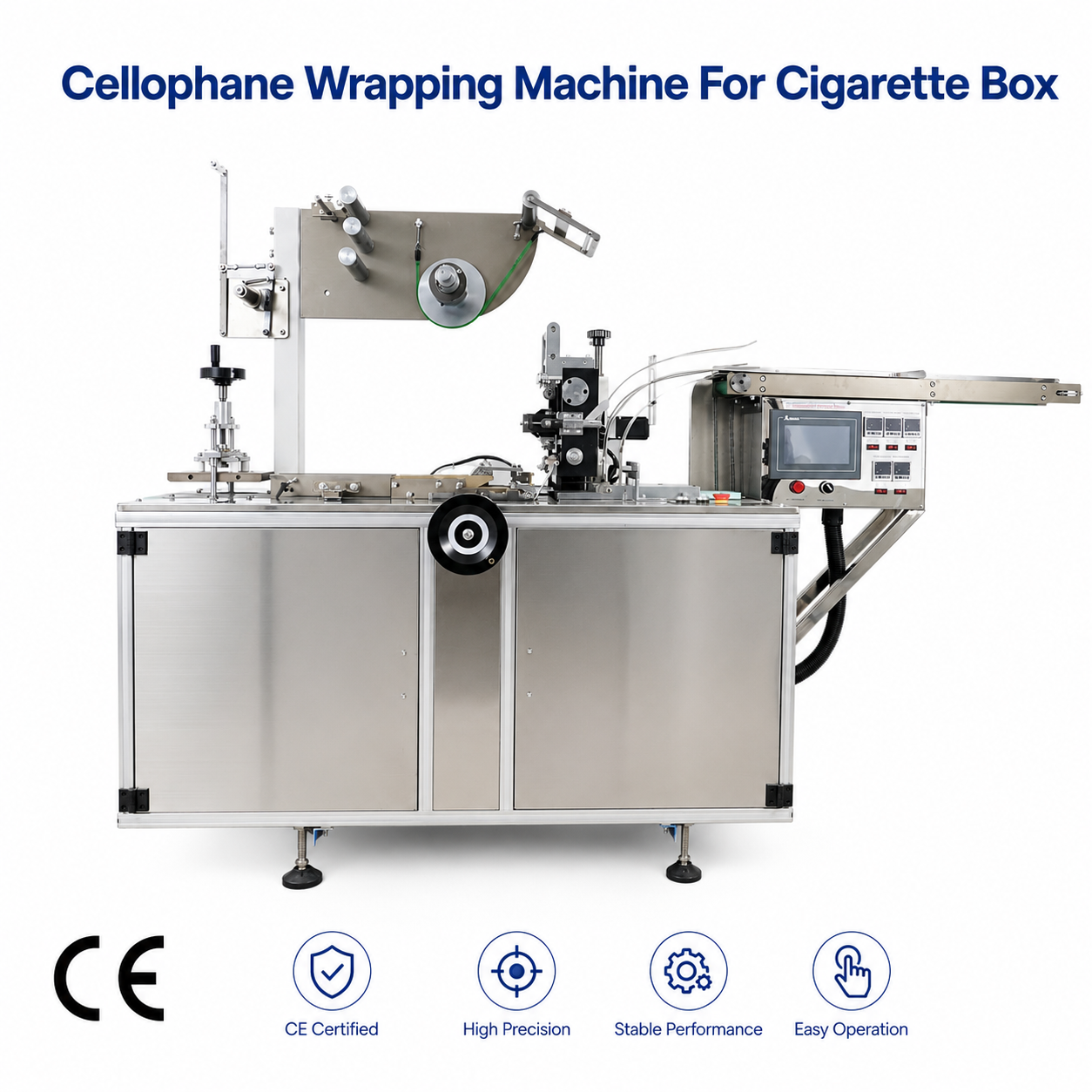
Velg den rette maskin for folieomvikling av sigaretter tett innpakning er en beslutning som direkte påvirker produktets presentasjon, hyllens attraktivitet og effektiviteten i pakkelinjen. I tobakksindustrien for produksjon og distribusjon er tett innpakning ikke bare et estetisk krav – det er en funksjonell standard som beskytter produktets integritet, forhindrer fuktinntrengning og sikrer synlig sikkerhet mot manipulering. Å velge feil utstyr kan føre til løse forseglinger, filmrevninger, uregelmessig viklet spenning og kostbare nedstillinger. Det er derfor avgjørende å forstå nøyaktig hva man skal se etter før man foretar en kjøpsbeslutning, for enhver virksomhet som krever profesjonell og høykvalitets cellofanutgang.
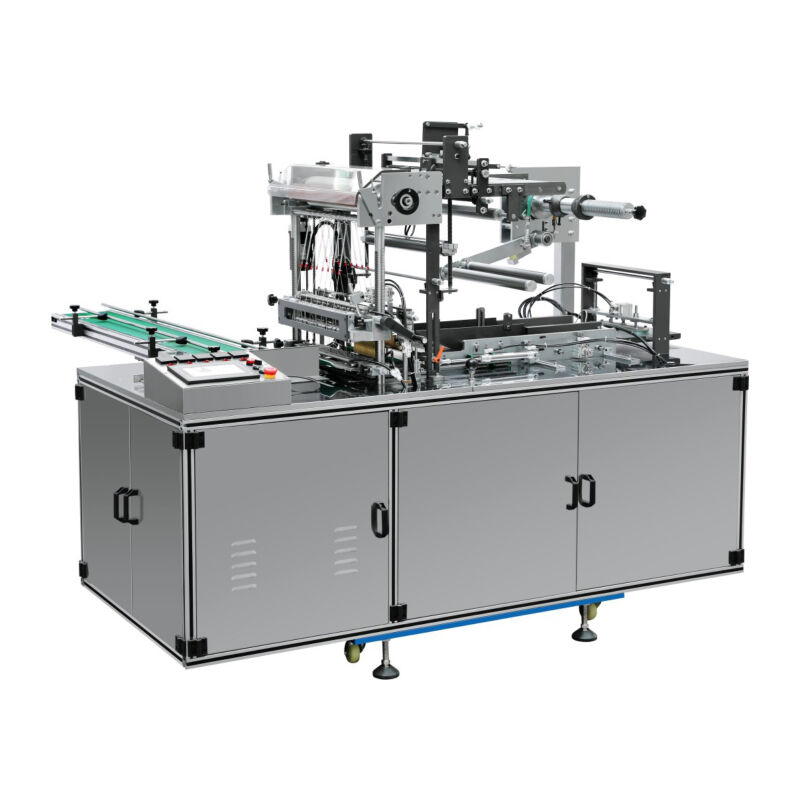
En sigarett cellofanpakkmaskin designet for stram innpakning må balansere mekanisk nøyaktighet, kontroll av filmens spenning, konsekvent varmeskarning og kompatibilitet med standarddimensjonene for tobakkspakninger. Denne veiledningen går gjennom de viktigste utvalgskriteriene på en strukturert og praktisk måte – og dekker mekaniske spesifikasjoner, filmsystemer, skarnings-teknologi, krav til produksjonshastighet og driftssikkerhet. Uansett om du oppgraderer en eksisterende emballasjelinje eller investerer i ny utstyr for en voksende virksomhet, vil faktorene som forklares her gi deg den beslutningsnyttige klarheten du trenger for å velge med tillit og riktighet.
Forstå kravene til stram innpakning i sigarettpakking
Hva stram innpakning faktisk betyr i praksis
Stram innpakning i sammenheng med en sigarettcellofaninnpakningsmaskin refererer til en film anvendelse som følger tett konturene til sigarettpakken uten å synke sammen, rynke eller etterlate luftgap. Cellofanen skal ligge flatt mot alle seks sidene av pakken, med rene, skarpe bretter i hver hjørne og en jevn, sikker forsegling langs hver kant. Dette nivået av presisjon er det som skiller et profesjonelt ferdigstilt produkt fra ett som ser ut som om det er hastet eller dårlig pakket.
Å oppnå dette konsekvent krever at maskinen kontrollerer filmens spenning gjennom hele hele viklingsyklusen. For liten spenning fører til løs vikling som flytter seg under håndtering eller transport. For stor spenning kan revne filmen eller deformere pakken, spesielt når man arbeider med tynnere cellofanetyper. En godt kalibrert sigarettcellofanvikklingmaskin opprettholder et optimalt spenningsvindu gjennom hele prosessen og tilpasser seg små variasjoner i pakkestørrelse uten manuell inngrep.
Tett innpakning krever også nøyaktig justering mellom pakkeforsyningssystemet og foldeanordningen for folien. Hvis pakker kommer inn på innpakkingsstasjonen selv litt feiljustert, blir den resulterende innpakningen ujevn, og hjørnefoldekantene vil ikke ligge flatt. Derfor behandles nøyaktigheten til pakkeforsyningen som en grunnleggende spesifikasjon, ikke som en sekundær funksjon, når man vurderer en sigarettpakkmaskin for tett innpakning.
Industristandarder som styrer forventningene til tett innpakning
Tobakkssektoren for pakking opererer både under kommersielle og regulatoriske forventninger som gjør innpakningskvaliteten til en uunnværlig standard. Forhandlere og distributører forventer at pakker ankommer i imakkelige stand, med cellofan som ikke har flyttet seg, rynket seg eller løsnet seg delvis. I mange markeder assosieres utseendet på den ytre innpakningen direkte med merkevarens tillit og produktets ekthet.
Fra et regulatorisk ståsted krever kravene til synlig forseglet emballasje i ulike jurisdiksjoner at cellulosefolieomslaget er intakt og visuelt uforstyrret ved salgspunktet. En sigarettemaskin for cellulosefolieomslag som produserer stramme, konsekvente omslag med rene forseglinger oppfyller naturligvis disse kravene på en måte som løse eller inkonsekvente omslag ikke kan. Å velge utstyr med dette kravet i mente betyr å tenke på kvalitetskontroll og etterlevelse, ikke bare på gjennomstrømnings-effektivitet.
Å forstå disse standardene før man vurderer maskiner hjelper deg med å definere ditt kvalitetsgrunnlag. Når du nøyaktig vet hvordan et etterlevelseskonformt og kommersielt akseptabelt stramt omslag ser ut for ditt spesifikke produktformat, kan du sammenligne disse kravene med maskinspesifikasjonene med mye større tillit og nøyaktighet.
Viktige mekaniske spesifikasjoner som skal vurderes
Kontroll- og justeringssystemer for filmens spenning
Den mest kritiske mekaniske egenskapen ved enhver sigarettcellofanpakkmaskin som er beregnet på stram pakking er dens filmspenningskontrollsystem. Dette systemet styrer hvordan filmen trekkes fra rullen, hvor mye strekk som påføres under pakkeprosessen og hvor konsekvent denne spenningen opprettholdes over hver pakke. Maskiner som baserer seg på faste mekaniske spenningsinnstillinger er generelt mindre egnet for stram-pakkingsapplikasjoner, fordi de ikke kan tilpasse seg endringer i rullens diameter når rullen brukes opp.
Mer avanserte design av sigarettemaskiner for cellofanpakking bruker servodrevne spennkontrollsystemer eller pneumatiske bremsesystemer som opprettholder konstant filmspenning uavhengig av rullstørrelse. Dette er spesielt viktig ved høyhastighetsdrift, der selv minimale svingninger i spenning kan akkumuleres til synlige inkonsistenser over flere tusen pakker per time. Når du vurderer en maskin, bør du spørre spesifikt om hvordan spenningen overvåkes og om den kan justeres nøyaktig uten verktøy under produksjonsløp.
Like viktig er justeringsområdet for spennsystemet. Forskjellige typer cellofanfilm — inkludert standard BOPP, varmeskrympende cellofan og miljøvennlige, biologisk nedbrytbare alternativer — oppfører seg ulikt under spenning. En sigarettemaskin for cellofanpakking som begrenser deg til et smalt spennområde vil begrense din fleksibilitet når filmleveringsstrategier eller reguleringsskrav utvikler seg over tid.
Presisjon i brettemekanismen og hjørngeometri
Foldingmekanismen er der hvor stram pakking fysisk oppnås. Dette er den delen av sigarettpakkmaskinen for cellofan som tar et flatt filmark rundt pakken og lager pene, flate folder ved hver hjørne og kant. Maskiner med dårlig kalibrerte foldearmer eller slitt veilederiler vil produsere omslag med hevede hjørner, ujevne sidefolder eller filmoverlapp som skaper tykkelse i stedet for en jevn overflate.
Søk etter maskiner der foldinggeometrien kan justeres for å tilpasse seg dine spesifikke pakkestørrelser. Standard sigarettpakker forekommer i flere formater — king size, vanlig, slank og ekstra slank — og hvert format har litt ulike krav til hjørnegeometri. En sigarettpakkmaskin for cellofan med modulære folderveiledere eller justeringsplater uten verktøy gjør det langt enklere å bytte mellom pakkestørrelser uten å kompromittere kvaliteten på den stramme pakkingen.
Holdbarheten til de bare komponentene er også av stor betydning. Produksjon i høy hastighet utsetter bortføringsskinner og trykkplater for kontinuerlig mekanisk belastning. Komponenter fremstilt av herdet stål eller nøyaktig maskinerte legeringer vil beholde sin dimensjonelle nøyaktighet langt lenger enn lavere kvalitetsalternativer. Dette gjenspeiler seg direkte i konsekvent tett innpakning over en lengre levetid uten behov for hyppig omkalibrering.
Varmeforsiktigingsteknologi og dens rolle i tett innpakning
Konsekvens og kontroll av forseglings temperatur
En tett innpakning er bare så god som dens forsegling. Selv om bortføringen og spenningsstadiene utføres perfekt, vil en svak eller inkonsekvent forsegling tillate at innpakningen løsner seg over tid eller under håndtering. Varmeforsiktigingssystemet i en sigarettselofaninnpakningsmaskin må levere jevn temperatur over hele forseglingsflaten for å sikre at hver pakke får samme bindingsstyrke uavhengig av produksjonshastighet eller omgivelsestemperatur.
Søk etter maskiner som bruker PID-temperaturregulatorer eller digitale varmestyringssystemer i stedet for enkle analoge dreieknapper. Forsegling med PID-styring opprettholder temperaturen innenfor en smal toleranseområde og kompenserer for varmetap som oppstår når kalde pakker går kontinuerlig gjennom forseglingssstasjonen. Dette nivået av kontroll er spesielt viktig ved bruk av tynnere celofanfilm, som er mer følsomme for variasjoner i forseglingstemperatur og mer utsatt for brent gjennom hvis temperaturspikker oppstår.
Kontaktvarigheten mellom forseglingselementet og filmen er like viktig. På en sigarettcelofanpakkmaskin som er utformet for stram pakking må denne kontaktvarigheten være tilstrekkelig for å aktivere varmeforseglingsbelegget på filmen, men kort nok til å unngå deformering av celofanen eller pakken under den. Maskiner som tillater justering av ventetid gir operatørene fleksibilitet til å optimalisere forseglingskvaliteten for ulike filmtyper og produksjonshastigheter.
Design og vedlikeholdskrav for tettingselementer
Det fysiske designet av tettingselementene påvirker både tettkvaliteten og vedlikeholdsintervallene for maskinen. Flatstangformede tettingselementer produserer en bred, stabil tetning langs hele pakkenes kant, noe som generelt foretrekkes for applikasjoner med stram innpakning, siden det skaper en sikker binding over hele brettekanten i stedet for en smal stripe. Smale tettingselementer kan produsere tilfredsstillende bindinger, men er mer utsatt for kantløfting hvis filmens spenning ikke er perfekt justert.
Tilgjengelighet for vedlikehold av tettingssystemet er en praktisk vurdering som ofte overses under den innledende vurderingen av en sigarettpakke-maskin for cellofaninnpakning. Tettingselementer slites med tiden og må periodisk byttes ut for å opprettholde konsekvent tettkvalitet. Maskiner der tettingselementer kan byttes raskt uten spesialiserte verktøy minimerer produksjonsnedleggelse og reduserer kompetansekravene til vedlikeholdsansatte.
Ikke-klebende belag på forseglingselementer spiller også en rolle for kvaliteten på stramme pakninger. Avleiring av rester fra varmeaktiverede limbelag på celofanfilm kan føre til uregelmessig forsegling, delvis liming eller at filmen fester seg til selve forseglingselementet. Maskiner som bruker belagte forseglingsoverflater eller som inkluderer automatiske rensingsløkker som en del av konstruksjonen, hjelper til å opprettholde konsekvent forseglingsytelse uten behov for hyppig manuell inngrep.
Produksjonshastighet, formatfleksibilitet og integrasjonsoverveielser
Tilpasse maskinhastigheten til din produksjonsmengde
Krav til produksjonshastighet må fastsettes før noen sigarettcellofanpakkmaskin vurderes. Å kjøre en maskin med høy hastighet ved bare en brøkdel av dens kapasitet fører til ineffektivitet, mens å kjøre en maskin med lavere hastighet over dens nominelle ytelse fører til redusert kvalitet og økt mekanisk slitasje. Kartlegg dine faktiske produksjonsvolumer — inkludert perioder med maksimal etterspørsel — for å identifisere den hastighetsområdet som maskinen må kunne opprettholde pålitelig.
Spesielt for applikasjoner med stram pakking må hastighet vurderes sammen med konsekvent kvalitet. Noen modeller av sigarettcellofanpakkmaskiner opprettholder utmerket pakkvalitet ved moderat hastighet, men begynner å vise inkonsekvenser i folder eller tettningsfeil ved sin maksimale nominelle hastighet. Be om prøvekjøringer eller data fra fabrikksgodkjenningsprøver ved din målhastighet før du tar endelig kjøpsbeslutning, og bekreft at kvaliteten på stram pakking opprettholdes ved denne hastigheten, ikke bare under ideelle forhold.
Det er også verdt å vurdere om produksjonsvolumet ditt sannsynligvis vil øke de neste tre til fem årene. Å velge en sigarettpakkmaskin med cellofan som har et hastighetsområde som dekker den forventede veksten unngår behovet for tidlig utskifting og lar pakkelinjen din skalerte i takt med forretningsbehovet uten infrastrukturforstyrrelser.
Mulighet for formatbytte og integrasjon nedstrøms
Hvis driften din håndterer flere sigarettpakkeformater — ulike lengder, bredder eller høyder — blir muligheten til å bytte format på sigarettpakkmaskinen med cellofan en avgjørende valgfaktor. Systemer for raskt verktøybytte, digital lagring av formatresepter og prosedyrer for formatbytte som krever minimale innstillinger reduserer nedetid ved formatbytte og hjelper til å opprettholde konsekvent pakkekvalitet ved overgang mellom produktlinjer.
Integrasjon med utstyr både foran og bak i prosessen påvirker også kvaliteten på stram pakking i praksis. En sigarettpakkmaskin for cellofan som mottar pakker fra et forrige transportbåndsystem må synkroniseres nøyaktig med tilførselshastigheten til dette systemet for å unngå feiljustering av pakkene ved pakkeplasseringen. På samme måte må utgangen fra pakkmaskinen føres jevnt inn i karton- eller kassepakkeutstyr uten pakkeblokkeringer eller orienteringsfeil som kan skade den nylig påførte omslaget.
Kommunikasjonsgrensesnitt — inkludert PLC-tilkobling, sensordatafeedbackløkker og avvisningssystemer for defekte omslag — er funksjoner som støtter både kvalitetskontroll av stram pakking og helhetlig linjeeffektivitet. En moderne sigarettpakkmaskin for cellofan med robust integrasjonskapasitet reduserer risikoen for at defekte pakker passerer uoppdaget gjennom linjen og gir kvalitetssikringsteamet den datainsikten som trengs for å opprettholde produksjonsstandardene konsekvent.
Vurdering av leverandørs støtte, service etter salg og langsiktig pålitelighet
Teknisk støtte og tilgjengelighet av reservedeler
Selv den mest nøyaktig konstruerte sigarettpakkmaskin for cellofanforpakning vil kreve vedlikehold, kalibrering og til tider utskiftning av deler gjennom sin levetid. Tilgjengeligheten av teknisk støtte og reservedeler fra leverandøren er derfor en faktor som direkte påvirker den langsiktige ytelsen til din pakkelinje. Før kjøp bør du verifisere at leverandøren har på lager kritiske slitasjedeler – inkludert sealing-elementer, brettekjørere, spennkontrollkomponenter og drivremmer – og at disse kan leveres innen en rimelig leveringstid.
Fjern-diagnostiske funksjoner har blitt økende verdifulle i moderne sigarettpakkmaskiner for cellofanforpakning. Leverandører som tilbyr fjernovervåking eller video—støttet feilsøking kan ofte løse driftsproblemer på få timer i stedet for dager, noe som betydelig reduserer uforutsette driftsavbrott. Dette er spesielt viktig for drifter som kjører enkeltskift eller kontinuerlig produksjon, der maskinstanser har umiddelbar innvirkning på produksjonsmålene.
Opplæringsstøtte er en annen dimensjon av ettersalgservice som påvirker kvaliteten på stram pakking direkte. Operatører som er grundig opplært i justering av spenning, kalibrering av seilingstemperatur og prosedyrer for formatbytte er langt mer sannsynlige til å opprettholde konsekvent pakkekvalitet enn de som utelukkende baserer seg på standardmaskininnstillinger. Vurder om leverandøren tilbyr på-sted-opplæring ved igangsetting, dokumentasjon på ditt arbeidsspråk og pågående teknisk opplæringsressurser som en del av kjøpsavtalen.
Maskinkonstruksjonskvalitet og forventet levetid
Den strukturelle byggekvaliteten til en sigarettselofanpakkmaskin avgörer hvor lenge den kan opprettholde nøyaktig tett pakking under kontinuerlig produksjonsdrift. Maskiner som er bygget på stive sveiste stålskinner med presisbearbeidede grensesnitt for komponenter beholder sin målnøyaktighet over tid, mens lettere rammer kan bøye seg under belastning og gradvis føre til feiljustering som svekker pakkekvaliteten.
Be leverandører om informasjon om deres produsertoleranser, materialeegenskaper for viktige mekaniske komponenter og forventet levetid ved din målprodusert volum. En velbygget sigarettselofanpakkmaskin bør være i stand til å levere vedvarende produksjon i mange år med rutinemessig vedlikehold, og gi konsekvent tett pakkekvalitet gjennom hele sin levetid uten at store ombygninger er nødvendige.
Referanser fra eksisterende kunder som opererer i lignende produksjonsmiljøer kan gi verdifulle innsikter fra virkeligheten om en maskins langsiktige pålitelighet. Når du vurderer en sigarettpakkmaskin for cellofan, bør du be leverandøren om kundereferanser fra bedrifter med tilsvarende produksjonsvolum og pakkeformater, og hvis mulig, ordne et besøk på stedet for å observere maskinen i drift under reelle produksjonsforhold i stedet for bare under en kontrollert demonstrasjon.
Ofte stilte spørsmål
Hvilke filmtyper er kompatible med en sigarettpakkmaskin for stram innpakning?
De fleste modellene av sigarettpakkmaskiner for cellofan er kompatible med BOPP-cellofanfilm, varmeskrympende cellofan og biologisk nedbrytbar polylaktisk sydfilm. De spesifikke filmgradene som støttes, avhenger av maskinens spennkontrollområde og seletemperaturkapasitet. Før du velger en maskin, må du bekrefte at den kan håndtere nøyaktig den filmgraden som brukes i driften din, inkludert tykkelsen, varmeaktiverings temperaturen og typen overflatebehandling.
Hvor viktig er nøyaktighet i pakkeføring for kvaliteten på stram pakking?
Nøyaktighet i pakkeføring er grunnleggende viktig for kvaliteten på stram pakking. Hvis pakker kommer inn til pakkestasjonen bare noen få millimeter ut av justering, blir foldgeometrien ujevn, og pakkingen vil ikke ligge flatt mot pakkeoverflaten. En sigarettpakkmaskin for stram pakking bør ha et føringssystem med presis pakkejustering, justerbare veilederræller og sensorer som oppdager feiljusterte pakker før de når foldestasjonen.
Kan en sigarettselofanpakkmaskin håndtere flere pakkestørrelser uten kvalitetstap?
Ja, mange moderne sigarettselofanpakkmaskiner støtter flere pakkeformater gjennom justerbare brettekveiler, spenninnstillinger og forseglingparametere. Kvaliteten på overgangsprosessen er imidlertid av stor betydning. Maskiner med digital lagring av formatresepter og justeringssystemer uten verktøy lar operatørene bytte mellom pakkestørrelser raskt og nøyaktig, og opprettholder stram-pakkekvalitet på tvers av formater. Ved manuelle overgangsmaskiner kreves det mer operatørfagkunnskap og tid for å oppnå samme resultat.
Hvilke vedlikeholdspraksiser hjelper til å opprettholde konsekvent stram-pakkekvalitet over tid?
Rutinemessig vedlikehold av en sigarettcellofanpakkmaskin for stram pakking bør inkludere daglig inspeksjon og rengjøring av sealingskomponenter for å fjerne limrest, periodisk kalibrering av filmens spenningsinnstillinger i henhold til en referansestandard, smøring av veiledere og dreiepunkter i brettmekanismen i henhold til produsentens anbefalte tidsskjema, samt rutinemessig inspeksjon av justeringen av pakkeføringen. Å føre en vedlikeholdslogg og følge et forebyggende vedlikeholdsskjema som leverandøren av maskinen har utarbeidet, reduserer betydelig risikoen for gradvis kvalitetsnedgang som kan gå ubemerket frem til den påvirker en stor produksjonsmengde.
Innholdsfortegnelse
- Forstå kravene til stram innpakning i sigarettpakking
- Viktige mekaniske spesifikasjoner som skal vurderes
- Varmeforsiktigingsteknologi og dens rolle i tett innpakning
- Produksjonshastighet, formatfleksibilitet og integrasjonsoverveielser
- Vurdering av leverandørs støtte, service etter salg og langsiktig pålitelighet
-
Ofte stilte spørsmål
- Hvilke filmtyper er kompatible med en sigarettpakkmaskin for stram innpakning?
- Hvor viktig er nøyaktighet i pakkeføring for kvaliteten på stram pakking?
- Kan en sigarettselofanpakkmaskin håndtere flere pakkestørrelser uten kvalitetstap?
- Hvilke vedlikeholdspraksiser hjelper til å opprettholde konsekvent stram-pakkekvalitet over tid?