
 EN
EN



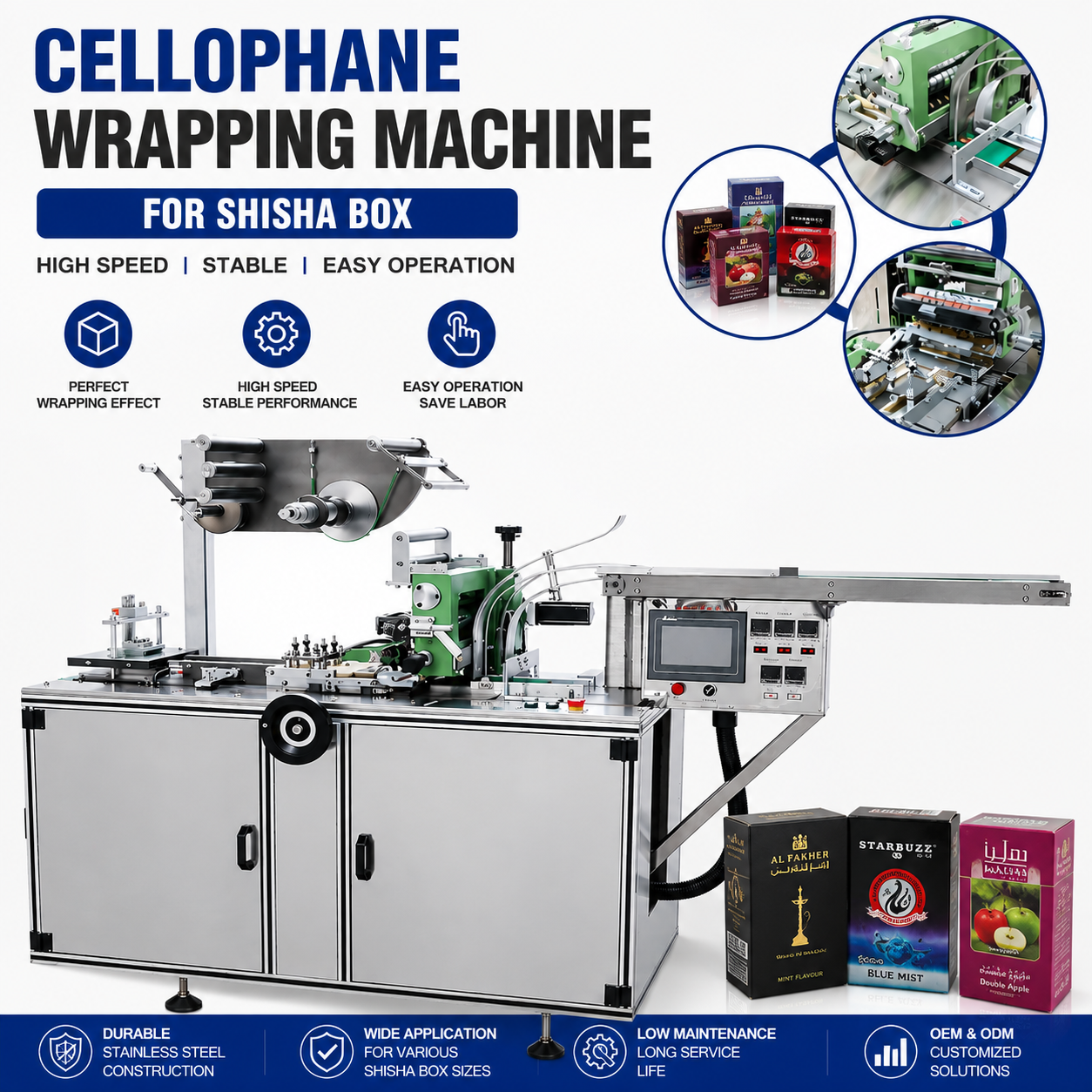
I den svært konkurranseutsatte tobakksindustrien er emballasje langt mer enn en funksjonell nødvendighet — den er en direkte utvidelse av merkeidentiteten, kvalitetsoppfatningen og kundens tillit. En maskin for folieomvikling av sigaretter spiller en overraskende sentral rolle for å oppnå alle tre av disse målene samtidig. Når en røyker tar tak i en pakke, formidler klarheten, stramheten og skarpheten i den ytre cellofanpakningen et umiddelbart og kraftfullt budskap om merkevaren bak den. Produsenter som undervurderer dette berøringspunktet risikerer å tape terreng ikke bare når det gjelder estetikk, men også produktintegritet og markedsposisjonering.
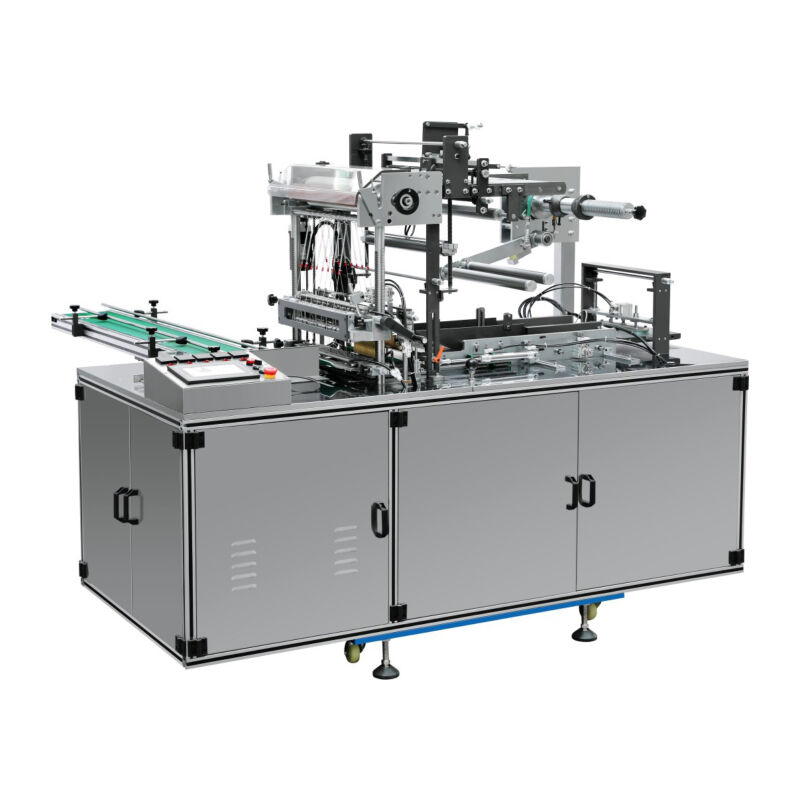
Betydningen av sigaretten cellofanpakkmaskin går langt utover enkel overpakking. Det er den siste automatiserte trinnet som forsegler produktets utseende, bevare dens ferskhet og bekrefter dens legitimitt i distributørenes og kundenes hender. Merker som investerer i presis overpakkingsteknologi oppnår en målbar fordel – en fordel som viser seg i butikkens utstilling, motstandskraft mot etterlaging og kundeloyalitet. Å forstå nøyaktig hvorfor denne maskinen er avgjørende for merkebeskyttelse krever en nærmere vurdering av hvordan emballasje påvirker oppfatning, sikkerhet og driftsmessig pålitelighet gjennom hele verdikjeden.
Sammenhengen mellom emballasjekvalitet og merkeoppfatning
Første inntrykk ved salgspunktet
Forbrukere tar øyeblikksvurderinger av produktkvalitet basert utelukkende på emballasjen, og sigaretter utgjør ingen unntak. En perfekt påført cellofanomvikling — jevn, uten rynker og optisk klar — kommuniserer umiddelbart at merkevaren bak produktet opererer med nøyaktighet og omsorg. En sigarettcellofanomviklingsmaskin som leverer konsekvente resultater sikrer at hver eneste pakke som forlater produksjonsområdet oppfyller samme høye visuelle standard, uavhengig av linjehastighet eller skiftendringer.
Når innpakningen er ujevn, løs eller synlig feilaktig, fremkaller det tvil i konsumentens sinn. De kan stille spørsmål om produktet selv har blitt håndtert riktig eller lagret under riktige forhold. For premium-tobakksmerker spesielt kan denne tvilen direkte føre til hesitasjon ved kjøp eller bytte av merke. Sigarettens cellofan-innpackningsmaskin er derfor ikke bare et produksjonsverktøy – den er en aktiv vokter av hvordan merket oppfattes på alle butikkkontaktpunkter.
Butikkmiljøer er overfylt og raskt flytende. Produkter som ser imakulerte ut på hyllen tiltrekker seg oppmerksomhet og formidler pålitelighet. Den konsekvente ytelsen fra en godt kalibrert sigarett-cellofan-innpackningsmaskin gir merket den konkurransedyktige fortrinnet på utstillingsebenen, der kjøpsbeslutninger ofte tas på sekunder i stedet for minutter.
Konsistens i produksjon med høy volum
En av de største utfordringene i tobakksindustrien er å opprettholde visuell og strukturell konsistens over millioner av pakker som produseres daglig. Manuelle eller delvis automatiserte innpakningsprosesser er per definisjon utsatt for variasjoner – små forskjeller i spenning, justering eller varmesetting kan føre til synlige inkonsekvenser som skader merkevarens enhetlighet. En dedikert sigarettpakkmaskin for celofaninnpakning eliminerer denne variasjonen ved hjelp av programmerbar, gjentagelig mekanisk nøyaktighet.
Når forbrukere møter et produkt fra samme merke på ulike butikker, forventer de en ensartet utseende. Sigarettpakkmaskinen for celofaninnpakning sikrer at pakke nummer én og pakke nummer én million ser identiske ut. Denne graden av konsistens styrker merkevarens identitet og understøtter oppfatningen av at selskapet vedlikeholder strenge kvalitetsstandarder gjennom hele sin produksjonsprosess.
Utenfor visuell konsistens påvirker mekanisk innpakning også cellofanfilmens jevn spenning, noe som direkte påvirker hvor stramt pakken er forseglet. Ujevn spenning kan føre til løse innpakninger som samler opp støv, revs lett eller tillater fuktighet å trenge inn – alle disse utfallene svekker subtilt det premium-bildet som de fleste sigarettmærker arbeider hardt for å skape.
Produktintegritet og friskhetsbevaring
Hvordan cellofanbarrieren beskytter produktkvaliteten
Tobakk er et fuktighetsfølsomt produkt. Eksponering for luftfuktighet, tørr luft eller forurensninger under lagring og transport kan betydelig endre smaksprofilen, konsistensen og den totale røykeopplevelsen. Cellofanfilmen som påføres av en sigarettcellofaninnpakkingsmaskin danner en stram, pustbar men beskyttende barriere som skjuler produktet fra miljømessige svingninger. Dette er ikke bare en emballasjedetalj – det påvirker direkte om forbrukerens opplevelse av produktet samsvarer med merkets kvalitetsforpliktelse.
Nøyaktigheten til sigarettpakkmaskinen for cellofan sikrer at filmen påføres med riktig spenning og forsegles med riktig varmeprofil, uten å etterlate noen sprekker eller svake punkter som kan tillate inntrengning av forurensninger. En dårlig forseglet pakke kan absorbere omgivende lukter eller miste viktig fuktighet, noe som gir et produkt som smaker gammelt eller avvikende fra merkevaren, selv før det når konsumenten. Denne typen kvalitetsfeil er usynlig under produksjonsstadiet, men katastrofal i øyeblikket for konsum.
Fra et forsyningskjeds-perspektiv reduserer produkter som ankommer distribusjonssentre og butikker i konsekvent god stand retur, klager og utskiftningkostnader. En pålitelig sigarettpakkmaskin for cellofan bidrar direkte til denne forsyningskjedens integritet, og sikrer at produktkvaliteten opprettholdes fra fabrikkgulvet til konsumentens hånd.
Forlengelse av holdbarhet og pålitelig distribusjon
Tobakksprodukter reiser ofte lange avstander gjennom komplekse distribusjonsnettverk før de når sluttbrukerne. Under denne reisen kan de passere gjennom områder med varierende temperatur og fuktighet, stables under vekt eller ligge i lager i lengre perioder. Den beskyttende seglen som tilbys av en sigarettpakkmaskin med cellofan er utformet for å tåle disse forholdene og opprettholde pakkenes strukturelle integritet under transport.
Merker som opererer på internasjonale markeder står overfor enda større utfordringer, siden produktene må tåle lengre transporttider og mer ekstreme miljøendringer. Kvaliteten på cellofanseglen som påføres av sigarettpakkmaskinen med cellofan blir en avgjørende faktor for å sikre at forbrukere i fjerne markeder får samme kvalitetserfaring som de som kjøper nær fabrikken. Denne påliteligheten er en sentral del av strategien for global merkebeskyttelse.
Distributører og forhandlere vurderer også tilstanden på lageret de mottar, og produkter som konsekvent er godt pakket indikerer at en produsent tar kvalitet på alvor i alle faser. En sigarettcellofanpakkemaskin som leverer pålitelig sealing- og pakkerytelse er derfor en investering i distribusjonsrelasjoner like mye som i produktkvalitet.
Motfalskning og merkevareautentisering
Cellofanpakking som motmiddel mot falskning
Falske tobakksprodukter utgör en betydelig trussel mot etablerte merker, og undergräver samtidigt inkomster, merkeverdi og forbrukersikkerhet. En av de mest effektiva metoderna för att göra efterlikning av falska produkter svårare är genom högprecisionens, tekniskt sofistikerad förpackning som är svår att duplicera med billiga utrustningar. Utmattningskvaliteten hos en professionell celofanmaskin för cigaretter – i termer av filmens klarhet, sömmens renlighet och placeringen av rivbandet – är långt svårare att efterlikna än enkel tryckt förpackning.
Falsknerprodusenter bruker vanligvis utstyr av lav kvalitet som drives manuelt, og som ikke kan oppnå konstant filmspenning, nøyaktige hjørnebrettinger eller rene sømforseglinger som en riktig konfigurert sigarettpakkmaskin for cellofan produserer. Når forbrukere og butikker blir kjent med hvordan ekte emballasje ser ut, utvikler de en intuitiv evne til å identifisere dårligere falsknerprodukter, noe som legger til en passiv autentiseringslag i markedet som kommer merkevaren til gode uten at det kreves aktiv overvåking.
Noen merker forsterker denne effekten ved å inkludere holografiske cellofanfilmer eller serialiserte revestriper som bare kan påføres korrekt ved hjelp av spesialutviklet maskineri. Når disse funksjonene kombineres med en høyytrende sigarettpakkmaskin for cellofan, skapes et emballasjeautentiseringsystem som både er visuelt tydelig og mekanisk krevende å etterligne – en kraftig avskrekking mot falsknerprodusenter som opererer i stor skala.
Presisjon i revstripe og dens rolle i autentisering
Revstripa — den lille stripen som er integrert i celofanet og lar konsumentene åpne emballasjen rent — er et subtilt, men viktig merkevareelement. Dens plassering, spenning og limkvalitet bestäms alle av sigarettemaskinen for celofanemballasje under emballeringsprosessen. Når revstripa er feilplassert, for stram eller for løs, skaper dette en inkonsekvent åpningsopplevelse som konsumentene legger merke til, selv om de ikke nødvendigvis kan forklare hvorfor.
Konsekvent plassering av revstripa er også et autentiseringsignal. Merkevarer kan angi nøyaktig bredde, farge og plassering av stripa som en del av sine emballasespesifikasjoner, og sigarettemaskinen for celofanemballasje sikrer at denne spesifikasjonen oppfylles på hver enkelt pakke. Falske produkter klarer ofte ikke å replikere plasseringen av revstripa nøyaktig, fordi utstyret de bruker mangler den nødvendige presisjonen til å påføre stripa på akkurat samme plassing pakke etter pakke.
Fra forbrukerens perspektiv er en ren og presis plassert revestrikk som åpner cellofanen jevnt og glatt et lite, men betydningsfullt kvalitetssignal. Det indikerer at hver detalj ved produktet er utviklet med omsorg — en budskap som spesielt sterkt resonnerer hos konsumenter i premiumsegmentet, som er svært oppmerksomme på slike subtile indikatorer på merkevarekvalitet.
Driftseffektivitet og merkevarekonsistens i stor skala
Høyhastighetsytelse uten kompromisser med kvaliteten
Moderne tobakksproduksjon krever både hastighet og nøyaktighet, og disse to kravene står ofte i spenningsforhold til hverandre. En sigarettcellofanpakkmaskin som er konstruert for produksjon i stor mengde løser dette spenningsforholdet ved å automatisere pakkeprosessen med servodrevet nøyaktighet ved hastigheter som manuelle eller delvis automatiserte systemer enkelt ikke klarer å matche. Dette gjør at merkevarer kan øke produksjonen uten å ofre den pakkekvaliteten som deres markedsposisjonering avhenger av.
For kontraktprodusenter som produserer flere merkevarevarianter på samme linje, er sigarettpakkmaskinens evne til å bytte raskt mellom ulike foliespesifikasjoner, pakkestørrelser og revestrikkonfigurasjoner en avgjørende operasjonell fordel. Stansetid mellom produktbytter representerer både en kostnad og en kvalitetsrisiko, og maskiner som er utformet for rask og nøyaktig omstilling minimerer begge deler. Merker kan opprettholde strengere kontroll over sine emballasjestandarder, selv når produksjonskompleksiteten øker.
Høyhastighetspakking reduserer også tiden produktet tilbringer utsatt for produksjonsmiljøet mellom endelig montering og forsegling. Dette er viktig fra et friskhets- og kontamineringssynspunkt — en raskere og mer effektiv sigarettpakkmaskin begrenser tidsrommet der produktet er utsatt for miljøpåvirkning, noe som bidrar til et bedre og mer konsekvent sluttprodukt.
Redusert avfall og kontroll med materiellkostnader
Cellofanfilm er en gjentatt materiellkostnad som raskt øker ved høye produksjonsvolum. En dårlig kalibrert eller slitt sigarettcellofanpakkmaskin bruker ofte mer film enn nødvendig på grunn av feiljustering, for stor overlapp eller hyppige avbrudd for blokkering, noe som fører til unødige avfallsperioder. Maskiner med nøyaktig teknisk utforming legger på filmen med optimal spenning og overlapp, noe som minimerer materiellspill uten å påvirke pakkeintegriteten.
Denne effektiviteten har også direkte konsekvenser for merkevarens konsistens. Maskiner som ofte spiller bort film må avbryte produksjonen for rullskift eller fjerning av blokkeringer, noe som skaper variasjon i utdataene – for eksempel subtile forskjeller i pakkekvalitet mellom ulike partier. En pålitelig sigarettcellofanpakkmaskin opprettholder konstante parametere for filmtilførsel gjennom hele produksjonsløpet, og sikrer dermed enhetlig kvalitet fra den første til den siste pakken.
Fra et bærekraftperspektiv støtter redusert filmavfall også de miljømessige forpliktelsene som mange tobakksmerker økende inkluderer i sine selskapsansvarsrammeverk. Effektiv bruken av materiale gjennom en velutformet sigarettpakkmaskin for cellofan justerer produksjonseffektivitet med miljøansvar — et økende viktig merke signal i markeder der forbruker- og regulatorisk overvåking av emballasjeavfall blir strengere.
Ofte stilte spørsmål
Hva rolle spiller en sigarettpakkmaskin for cellofan i å forhindre produktforfalskning?
En sigarettpakkmaskin med celofanomvikling lager en forseglet overpakning som tydeligvis er forstyrret hvis pakken åpnes og forsegles på ny etter produksjonen. Denne forfalskningshemmende funksjonen er en viktig merkevarebeskyttelsesfunksjon, siden forbrukere og forhandlere umiddelbart kan identifisere om en produkt har blitt manipulert før kjøpet. Merker som bruker høypresisjonsomviklingsmaskiner med konsekvent sømslutting drar nytte av denne forfalskningshemmende egenskapen på hver enkelt produserte enhet.
Hvordan påvirker kvaliteten på en sigarettpakkmaskin med celofanomvikling premiummerkets posisjonering?
Premiumtobakksmerker skiller seg ut delvis gjennom pakkekvaliteten, og cellofanomslaget er ett av de mest synlige elementene i denne kvaliteten. En sigarettselofanomslagsmaskin som leverer optisk klar, rynkefri og nøyaktig spennt omslag styrker premiumposisjoneringen ved hver kundekontakt. Ujevn eller lavkvalitets omslag skaper derimot en visuell og taktil dissonans med premiumprisen, noe som kan svekke kundens tillit over tid.
Kan en sigarettselofanomslagsmaskin håndtere ulike pakkeformater og filmtyper?
Moderne sigarettpakkmaskiner for cellofanforpakning er vanligvis designet for å håndtere et bredt spekter av pakkeformater, inkludert myke pakker, harde esker og ulike dimensjoner, samt ulike typer cellofanfilm, inkludert standard-, holografiske og matte varianter. Justerbarhet og rask omstilling er viktige utvalgskriterier for produsenter som lager flere merkevarianter eller planlegger utvidelse av produktlinjer, da de sikrer konsekvent forpakningskvalitet over en rekke ulike emballasjespesifikasjoner.
Hvordan sammenligner en investering i en høykvalitets sigarettpakkmaskin for cellofanforpakning seg med bruk av billigere alternativer?
Billigere alternativer kan redusere den innledende kapitalutgiften, men fører vanligvis til høyere langsiktige kostnader gjennom økt materialeavfall, hyppigere vedlikeholdsbehov, høyere feilfrekvens og mindre konsekvent utgangskvalitet. For å beskytte merkevaren rettferdiggjør konsistensen og nøyaktigheten som leveres av en spesialbygd sigarettpakkmaskin for cellofan, investeringen, siden kostnaden ved skade på merkevaren som følge av dårlig emballasjekvalitet — inkludert svekket forbrukeroppfatning, økt sårbarhet for falskneri og klager fra distributørene — langt overstiger besparelsene fra billigere utstyr.
Innholdsfortegnelse
- Sammenhengen mellom emballasjekvalitet og merkeoppfatning
- Produktintegritet og friskhetsbevaring
- Motfalskning og merkevareautentisering
- Driftseffektivitet og merkevarekonsistens i stor skala
-
Ofte stilte spørsmål
- Hva rolle spiller en sigarettpakkmaskin for cellofan i å forhindre produktforfalskning?
- Hvordan påvirker kvaliteten på en sigarettpakkmaskin med celofanomvikling premiummerkets posisjonering?
- Kan en sigarettselofanomslagsmaskin håndtere ulike pakkeformater og filmtyper?
- Hvordan sammenligner en investering i en høykvalitets sigarettpakkmaskin for cellofanforpakning seg med bruk av billigere alternativer?