
 EN
EN



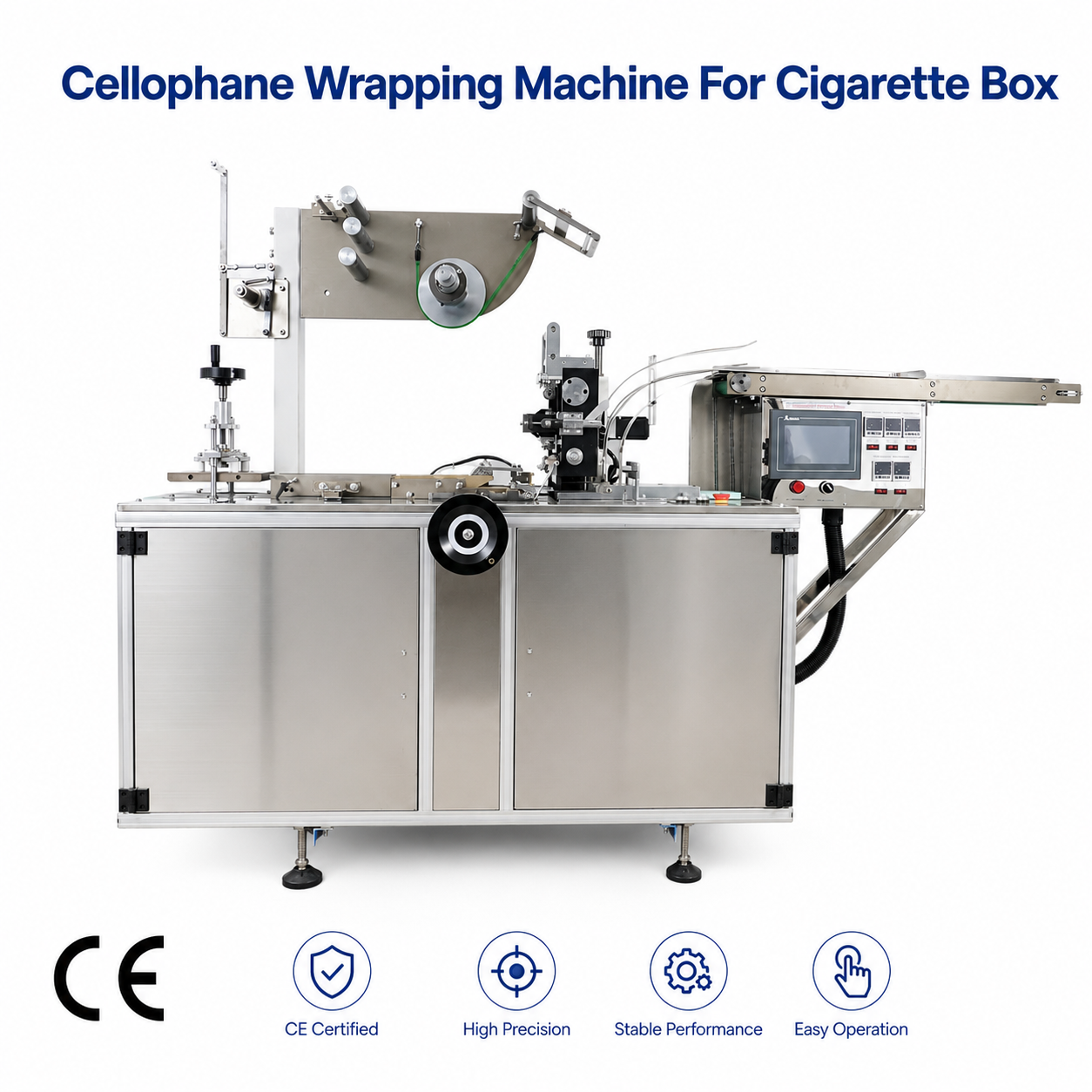
A cigarette box wrapping machine is engineered to deliver precise, consistent film sealing that protects product integrity while maintaining professional appearance on retail shelves. The sealing quality directly impacts shelf life, tamper evidence, and consumer perception, making tight film sealing a critical operational requirement for tobacco manufacturers and packaging operations worldwide. Understanding how a cigarette box wrapping machine achieves reliable sealing helps operators optimize performance, reduce material waste, and maintain compliance with industry standards.
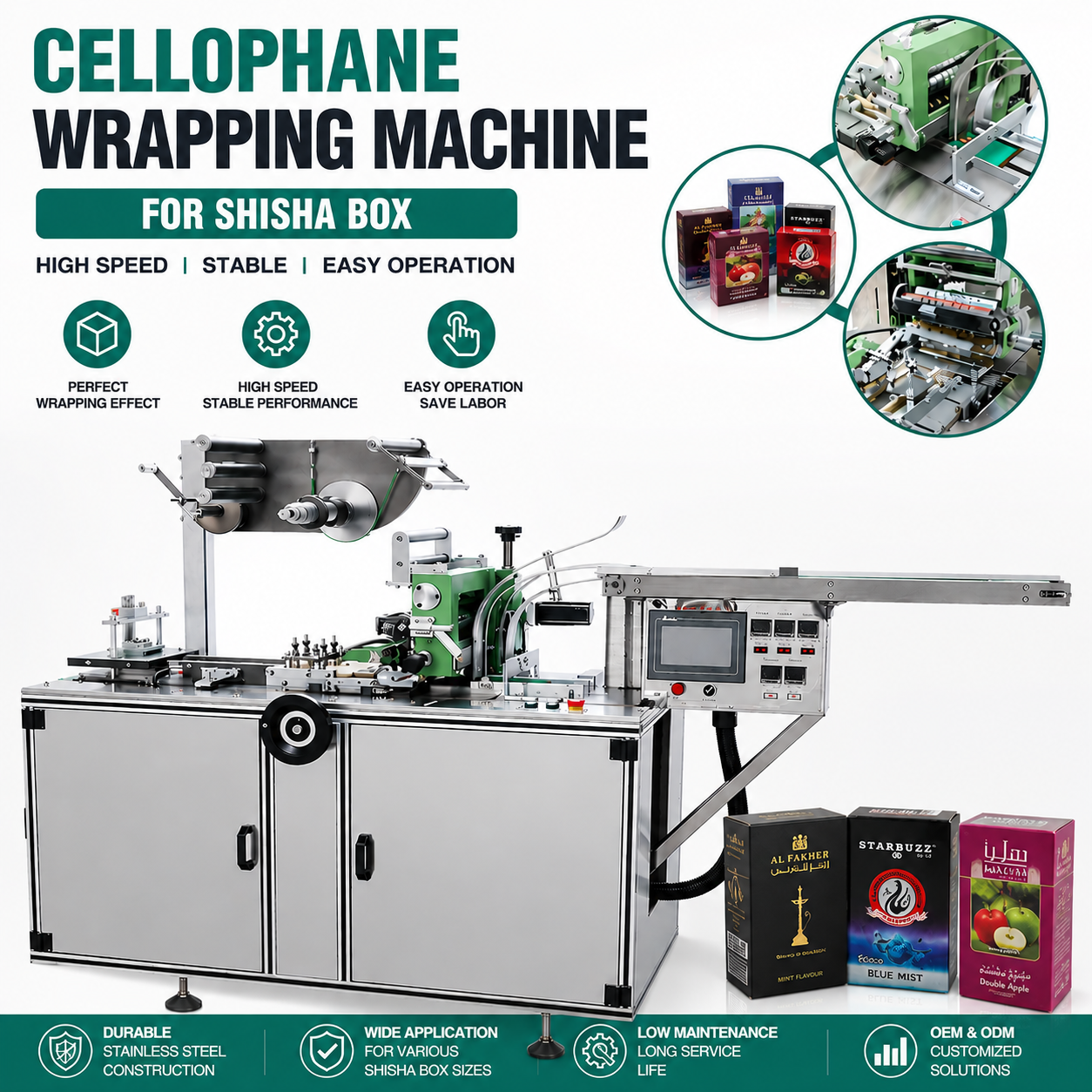
The architecture of a modern cigarette box wrapping machine incorporates multiple mechanical and thermal systems working in harmony to ensure every sealed edge meets exact specifications. From pressure control mechanisms to temperature calibration, each component contributes to creating film seals that resist opening, prevent moisture infiltration, and maintain tamper-evident integrity throughout distribution and retail handling.
Pressure Control and Film Tensioning
Optimal Pressure Delivery System
A cigarette box wrapping machine maintains tight film sealing through precisely calibrated pressure rollers that press film layers together at consistent force levels across the entire seal length. The pressure delivery system uses pneumatic or hydraulic actuators to apply uniform compression, ensuring film molecules bond tightly without creating wrinkles, folds, or weak points. Modern machines feature adjustable pressure settings that operators can fine-tune based on film thickness, material composition, and product dimensions, allowing a cigarette box wrapping machine to handle diverse packaging formats without equipment changes.
The pressure rollers work in coordinated pairs, guiding film through the sealing zone while maintaining parallel alignment to prevent skewing or uneven contact. Operators monitor pressure gauge readings continuously; deviations often signal roller wear, film tension imbalances, or material quality issues requiring immediate correction. When a cigarette box wrapping machine operates at manufacturer-recommended pressure specifications, film seals develop the molecular bonding necessary to withstand mechanical stress, temperature fluctuations, and humidity exposure throughout the product lifecycle.
Film Tension Regulation
Film tension directly influences how tightly a cigarette box wrapping machine can seal edges and corners. The machine's film supply system incorporates tension sensors and compensating rollers that maintain constant film unwinding speed, preventing slack that causes loose seals or wrinkles that compromise seal integrity. When film travels through the wrapping station under controlled tension, it remains taut against product surfaces, allowing pressure rollers to create consistent, bubble-free contact throughout the sealing process.
Excessive film tension, however, can distort the underlying product or cause film tearing during the wrapping cycle, creating catastrophic seal failures. A cigarette box wrapping machine balances these competing forces through feedback control systems that adjust tension dynamically as film unwinds, product dimensions vary, or speed changes occur. This automated tension management ensures operators achieve tight, reliable film sealing without requiring manual adjustment between product batches.
Thermal Sealing Technology and Temperature Management
Heat Bar Precision and Temperature Control
Thermal sealing represents the primary mechanism through which a cigarette box wrapping machine achieves permanent, durable film bonding. Heat bars—metal components heated to specific temperatures—apply controlled thermal energy to film layers, melting their surfaces at molecular level and fusing them into single, integrated seams. The temperature setting directly determines seal quality; insufficient heat produces incomplete melting and weak seals prone to separation, while excessive heat degrades film structure, reduces seal strength, or creates brittleness that causes cracking during handling.
Advanced cigarette box wrapping machine models feature independent temperature zones along the seal bar, allowing different heat profiles for seal initiation, middle sections, and final cooling phases. This graduated heating approach prevents thermal shock to film materials while ensuring complete molecular fusion across seal width. Digital temperature controllers maintain ±2°C accuracy, critical because polyethylene, polypropylene, and cellophane films exhibit narrow thermal windows where optimal sealing occurs.
Dwell Time Optimization
Dwell time—the duration film remains in contact with heat bars—fundamentally affects whether a cigarette box wrapping machine produces tight seals or compromised results. Longer dwell times allow deeper thermal penetration and more complete film fusion, but excessive duration causes heat damage, reduces production speed, and creates quality inconsistency. Machine operators coordinate dwell time with film type, speed settings, and heat bar temperature; typical settings range from 0.5 to 2 seconds depending on film thickness and material composition.
A cigarette box wrapping machine typically controls dwell time through adjustable seal bar positioning, conveyor speed reduction during sealing phases, or programmable heat pulse cycles that activate heat bars only when film arrives at optimal positioning. When dwell time matches film thermal properties precisely, seals develop maximum strength while minimizing material degradation and production delays. Operators monitor seal consistency through periodic testing, adjusting dwell parameters when temperature readings or mechanical wear indicate drift from optimal performance.
Mechanical Seal Design and Edge Configuration
Corner Wrapping and Edge Overlap
A cigarette box wrapping machine ensures tight film sealing at product corners through mechanical design that guides film to overlap at specific angles and positions. The wrapping mechanism folds film precisely around box edges, creating overlap zones where multiple film layers bond together; these overlaps provide redundancy that maintains seal integrity even if primary seals experience minor stress or damage. The machine's folding fingers and guide rails control film orientation, ensuring overlaps occur at consistent positions across all products.
Corner sealing represents a critical vulnerability because multiple film layers converge at sharp product edges, creating stress concentration points where seals fail first under mechanical stress or pressure. A cigarette box wrapping machine addresses this through corner seal bar positioning that applies extra heat and pressure precisely where overlaps occur, fusing multiple film layers into single, reinforced seams substantially stronger than straight edge seals. This corner reinforcement capability distinguishes high-quality machines from basic models, directly enabling longer shelf life and improved tamper evidence.
Seal Line Geometry and Consistency
The geometric precision of seal lines dramatically influences whether a cigarette box wrapping machine produces tight, professional-appearance seals or visible defects. Seal bars must track perpendicular to film travel direction, applying heat and pressure uniformly across the entire seal width; misalignment creates angled seals, pressure variations, or film shifting that produces weak zones susceptible to opening. Modern machines incorporate optical alignment systems or mechanical guides that ensure seal bar positioning remains consistent throughout production runs, compensating automatically for thermal expansion or mechanical wear.
Seal line straightness and consistency contribute to professional packaging appearance and consumer confidence in product integrity. When a cigarette box wrapping machine maintains precise seal geometry across thousands of products, uniform visual presentation creates brand consistency and suggests quality manufacturing processes. Operators verify seal line alignment periodically using calibrated straightedges or optical measurement tools; deviations exceeding tolerance specifications require seal bar repositioning or replacement, preventing downstream quality failures.
Quality Verification and Seal Testing
Inline Inspection and Defect Detection
Modern cigarette box wrapping machine installations incorporate inline vision systems and mechanical testing devices that verify seal quality in real-time, allowing operators to identify and correct problems before defective products reach packaging lines. Vision systems detect seal line straightness, presence of wrinkles or folds, color consistency, and overlap alignment; mechanical testers apply controlled peel force to random samples, measuring seal strength and confirming bonds meet specification minimums. These inline verification systems enable a cigarette box wrapping machine to maintain consistent quality throughout extended production runs without requiring manual sampling or destructive testing.
Defect detection triggers automated responses—machines halt production, alert operators, and sometimes reject defective products automatically, preventing inferior goods from reaching consumers. When a cigarette box wrapping machine identifies consistent seal defects, it prompts maintenance review of pressure settings, heat bar temperatures, film tension, or mechanical alignment, enabling rapid root cause correction. This continuous feedback loop maintains seal quality standards throughout shift changes, product format transitions, and seasonal production variations.
Pressure Testing and Seal Strength Validation
Destructive peel testing provides quantitative verification that a cigarette box wrapping machine produces seals meeting specification requirements. Sample products undergo controlled pulling or peeling tests that measure the force required to separate sealed film layers; results indicate seal strength quantitatively and confirm thermal processing, pressure delivery, and material quality all function correctly. Most cigarette manufacturers specify minimum seal strength values—typically 150–300 grams per inch depending on product type and expected handling stress—ensuring seals resist accidental opening without requiring excessive force for legitimate product access.
Regular seal strength testing throughout production runs provides statistical confidence that a cigarette box wrapping machine maintains consistent performance across millions of products. Trending results over time identifies gradual degradation from component wear, enabling preventive maintenance scheduling before seal quality declines below acceptable limits. This data-driven approach to seal verification protects brand reputation, reduces consumer complaints, and demonstrates commitment to quality standards that build customer confidence.
FAQ
What film thickness requirements ensure optimal sealing in a cigarette box wrapping machine?
Film thickness typically ranges from 18–25 microns for cellophane and 15–20 microns for polyethylene films used on modern cigarette box wrapping machine systems. Thinner films require lower sealing temperatures and shorter dwell times to prevent damage, while thicker films need higher temperatures and extended dwell to achieve complete molecular fusion. Manufacturers specify optimal thickness ranges for each film material, and operators must use films within these specifications to ensure a cigarette box wrapping machine produces tight, consistent seals without material degradation or mechanical stress.
How often should a cigarette box wrapping machine undergo maintenance to maintain seal quality?
A cigarette box wrapping machine requires daily inspections of pressure rollers, heat bars, and film guides for wear, debris, or thermal residue that compromise seal consistency. Weekly preventive maintenance includes pressure roller cleaning, heat bar calibration verification, and mechanical alignment checks. Monthly maintenance involves component lubrication, thermal sensor recalibration, and seal strength testing of representative products. Routine maintenance schedules prevent gradual performance degradation, ensuring every cigarette box wrapping machine maintains tight, consistent sealing throughout operational life.
Can a cigarette box wrapping machine adjust sealing parameters for different film materials?
Yes, modern cigarette box wrapping machine systems feature programmable controllers allowing operators to store multiple sealing profiles optimized for different film materials, thicknesses, and product dimensions. Operators select the appropriate profile before production starts, and the machine automatically applies corresponding temperature settings, pressure levels, dwell times, and film tension specifications. This flexibility enables a single cigarette box wrapping machine to handle diverse packaging formats efficiently, reducing setup time between product changes and maintaining consistent seal quality across all material types supported by the equipment.